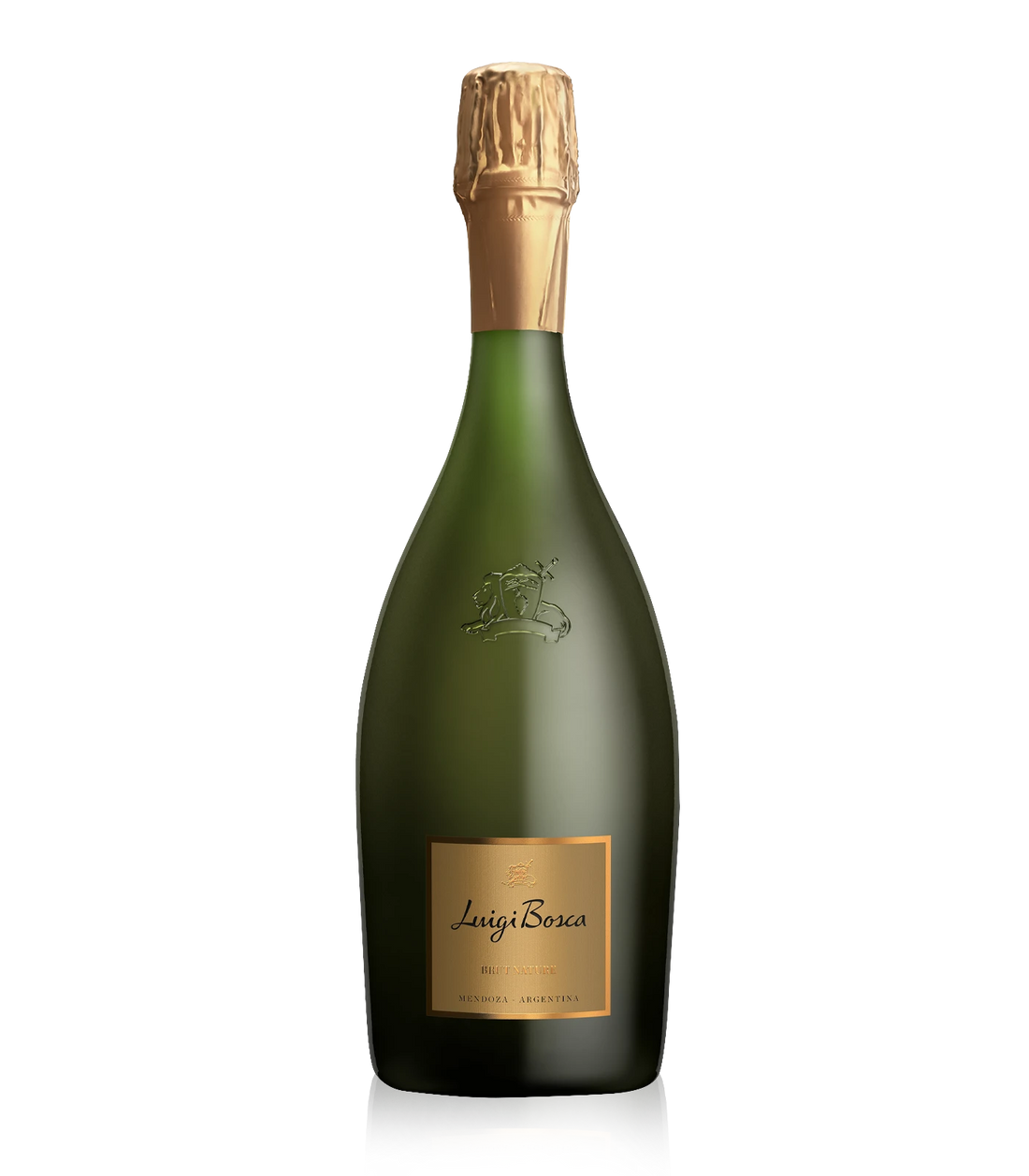
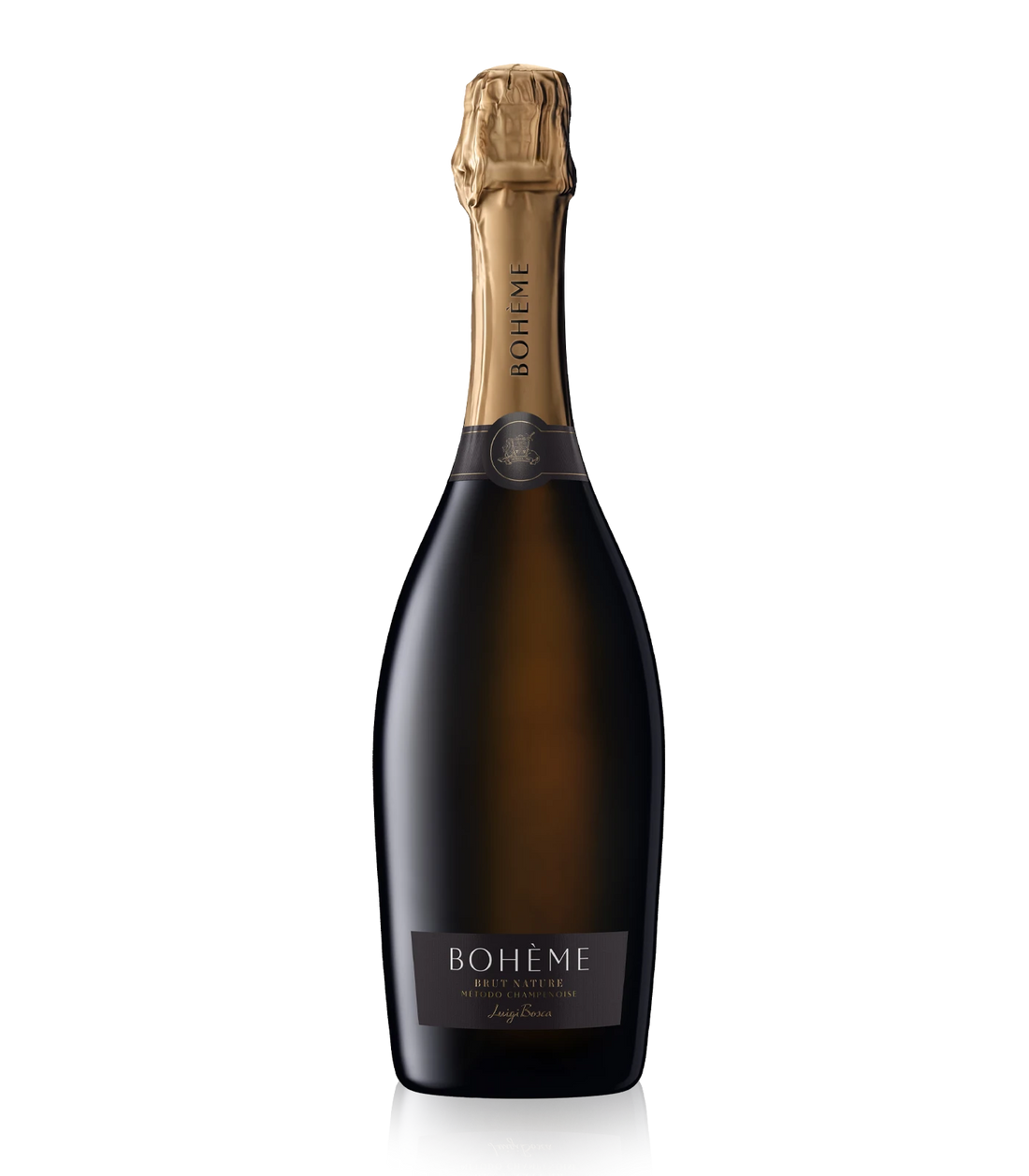
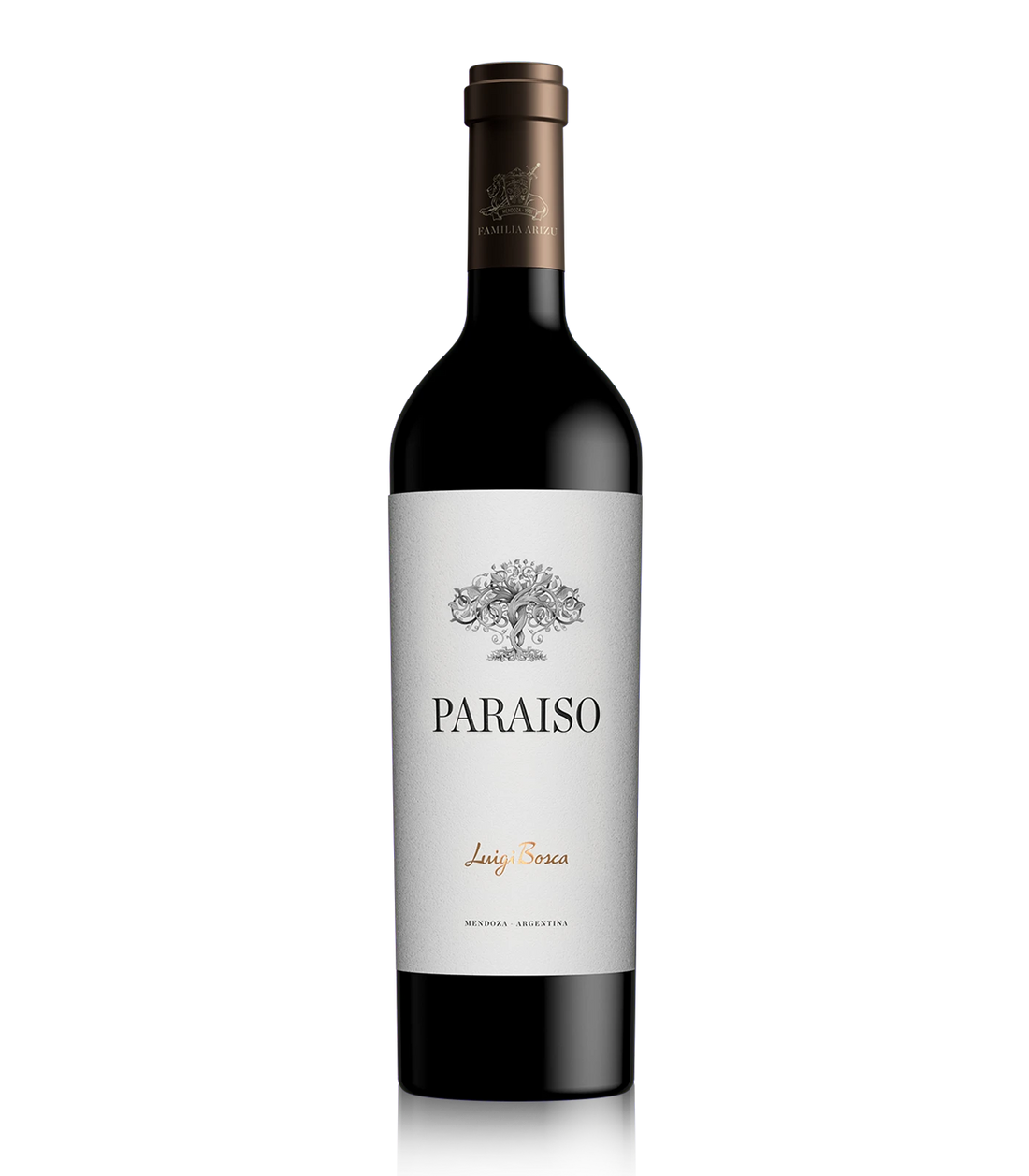
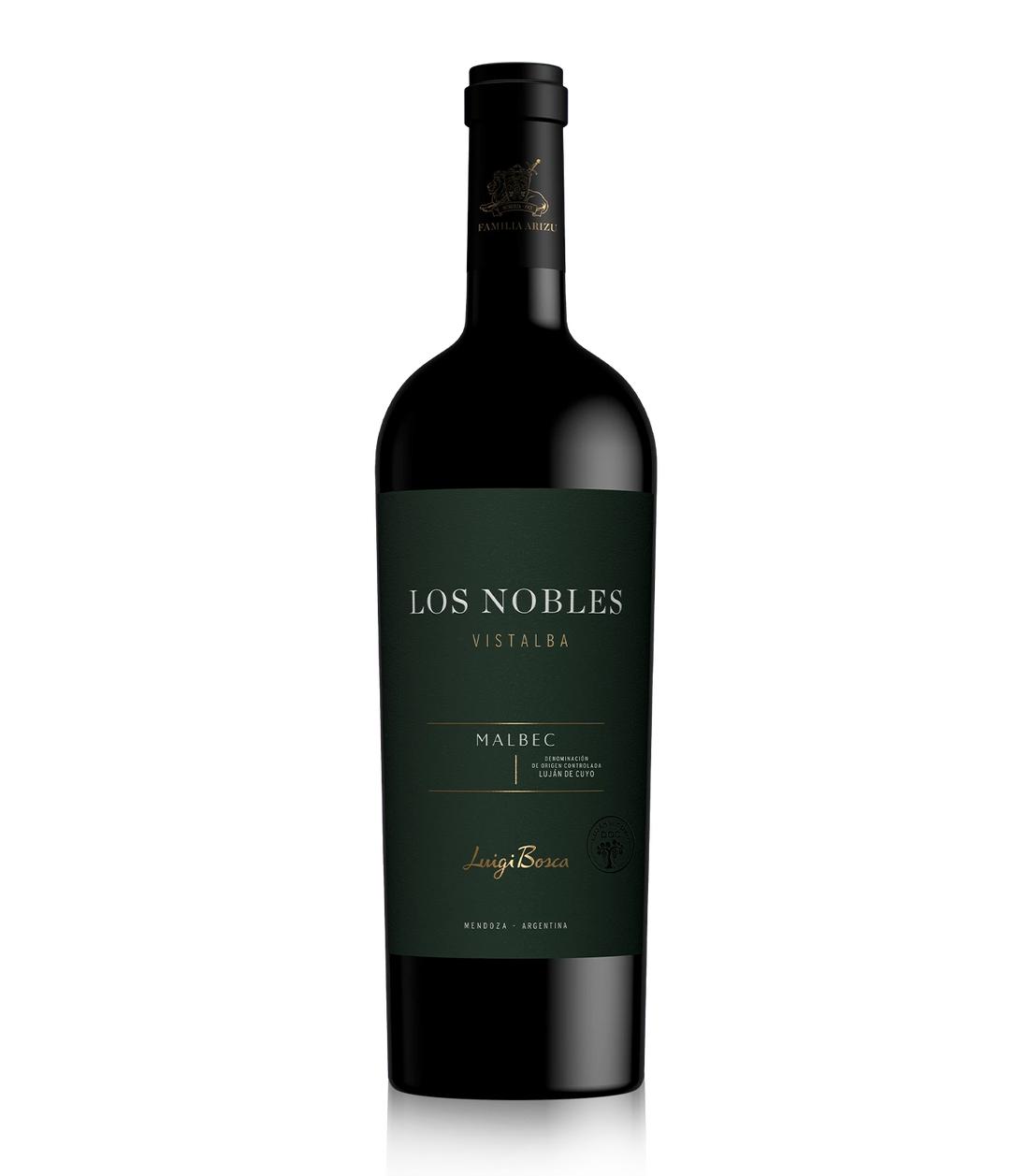
Selecting wine for a dinner party should feel exciting, not intimidating. With a few clear principles and thoughtful planning, you can build a wine lineup that complements your menu, delights your guests, and creates a warm, memorable atmosphere. This guide provides modern pairing rules, practical examples, and clear explanations to help you choose with confidence.
Start with the Style and Weight of the Menu
Great wine pairing begins with balance. Match the dish’s weight, intensity, and overall character to the wine’s structure. Once you understand this principle, pairing becomes intuitive.
Light dishes
Choose refreshing wines with bright acidity and delicate aromatics.
- Examples: green salads, sushi, steamed fish, fresh vegetables, citrus dressings
- Best wines: Sauvignon Blanc, Albariño, Pinot Grigio, dry Riesling, sparkling wine
Medium dishes
These dishes have more texture and flavor, so choose wines with a rounder mouthfeel or gentle fruit richness.
- Examples: miso-glazed salmon, roast chicken, creamy pasta, risotto
- Best wines: Chardonnay, Chenin Blanc, Viognier, Pinot Noir, Gamay
Rich dishes
Fuller dishes need wines with depth, structure, and either strong acidity or firm tannins to keep the palate balanced.
- Examples: steak, lamb chops, beef bourguignon, BBQ dishes, slow-cooked meats
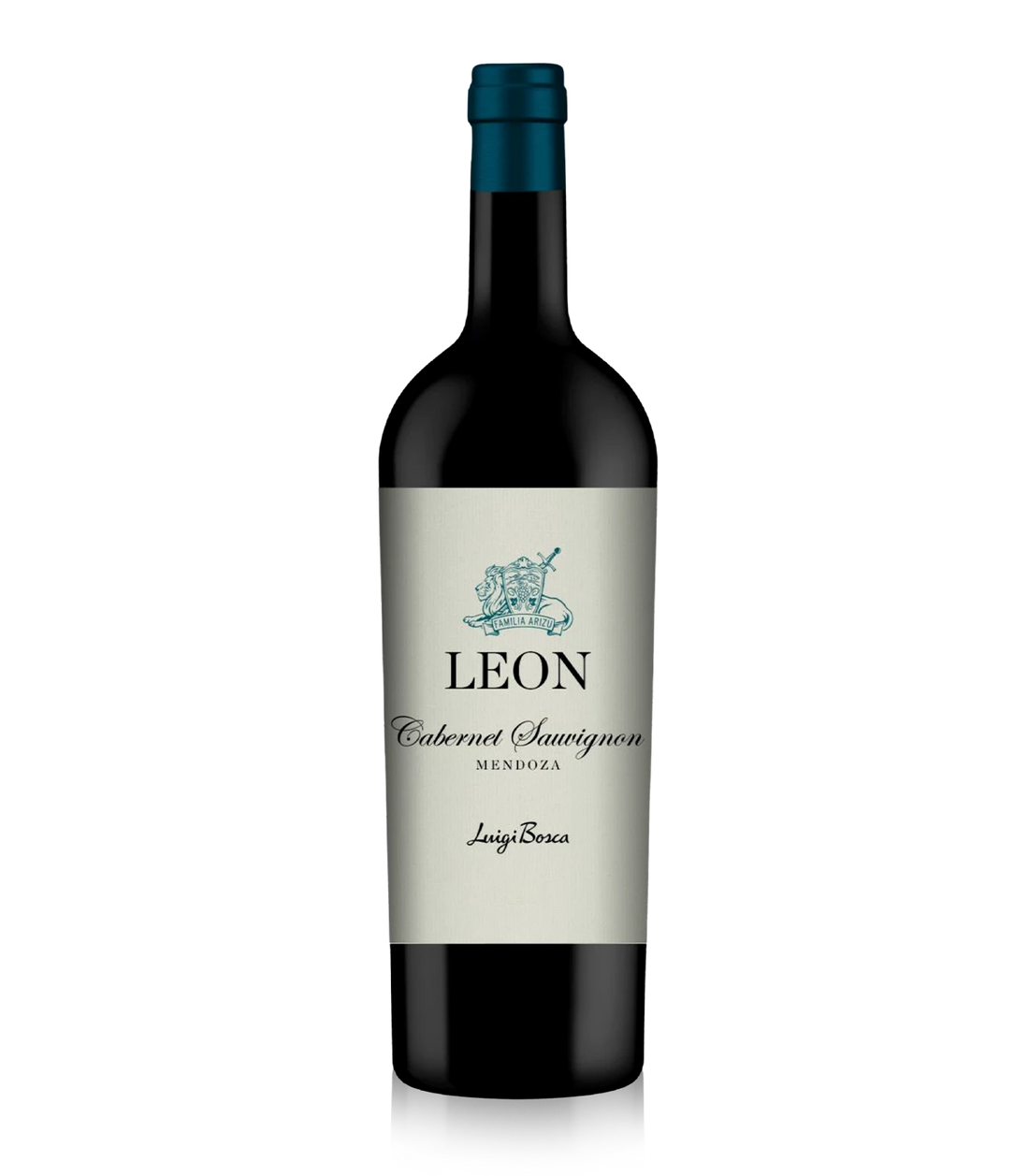
- Best wines: Cabernet Sauvignon, Syrah, Malbec, Tempranillo

Pairing Regional Cuisines with Local Wines
Wine and food from the same region often feel naturally connected. They grow in the same climate, share traditions, and evolve together over generations. Pairing local dishes with local wines is one of the simplest and most satisfying approaches to food and wine matching. It brings a sense of place to the table and can evoke memories of travel, vineyard visits, or meals enjoyed abroad.
In Italy, tomato-driven dishes and grilled meats pair effortlessly with the bright acidity of Sangiovese. In France, Burgundy’s earthy cuisine aligns naturally with Pinot Noir and Chardonnay, while Rhône dishes rich in herbs and spice pair beautifully with Grenache and Syrah. In Spain, grilled meats and paprika-based dishes shine with Tempranillo, coastal seafood finds balance with Albariño, and tapas come alive next to fresh Cava. These are not rigid rules, but guides shaped by centuries of tradition.
Choose Wines That Please a Group
A dinner party brings together different tastes and levels of wine knowledge. The most successful bottles feel expressive yet balanced, appealing to a wide range of guests. Avoid extremes such as heavy oak, aggressive tannins, or intense sweetness. Instead, choose wines that feel open, fresh, and harmonious.

Start with sparkling wine
Sparkling wine sets a joyful tone from the first pour. It refreshes the palate, pairs with many appetizers, and makes guests feel immediately at ease. Crémant, Cava, or Prosecco offer elegance without overpowering the food.
Reliable white wines for groups
Choose whites that emphasize balance rather than extremes of oak or sweetness.
- Chenin Blanc for vibrant acidity and gentle fruit
- Balanced Chardonnay (unoaked or lightly oaked) for creamy dishes
- Dry Riesling for freshness and versatility
The perfect rosé option
Dry rosé bridges the gap between light and rich dishes. It works well with salads, seafood, grilled vegetables, light meats, and shared platters, especially when the menu includes several contrasting flavors.
Reliable red wines for groups
Red wines for groups should favor softness, fruit, and balance over power.
- Pinot Noir for delicacy and food friendliness
- Malbec for soft tannins and approachable fruit
- Grenache-based blends for expressive fruit and gentle spice
The Role of Acidity, Sweetness, Tannins, and Texture
Instead of pairing by color alone, use structural elements as your guide. Understanding how these components behave with food allows you to adapt pairings naturally.

Acidity
Acidity brings freshness and lift. It cuts through richness and balances salt.
- Ideal with salty foods, fried dishes, creamy sauces, and rich seafood
- Examples: Sauvignon Blanc, Champagne, Riesling, Albariño
Sweetness
A touch of sweetness softens spice and enhances aromatic flavors.
- Ideal with spicy and aromatic cuisines
- Examples: off-dry Riesling, Gewürztraminer, Moscato
Tannins
Tannins bond with protein and fat, softening their drying effect.
- Best with protein-rich or fatty dishes
- Examples: Cabernet Sauvignon, Syrah, Malbec with grilled or roasted foods
Body and texture
Match the weight of the dish to the weight of the wine. Light dishes pair best with lighter wines, while rich dishes require fuller-bodied wines to avoid imbalance.
Serving Temperature and Glassware
Temperature and glass shape strongly influence aroma, texture, and balance.
Serving temperature
- Light whites and sparkling: 6-8 °C (43-46 °F)
- Aromatic whites: 8-10 °C (46-50 °F)
- Medium whites and rosé: 10-12 °C (50-54 °F)
- Light reds: 12-14 °C (54-57 °F)
- Full-bodied reds: 16-18 °C (61-64 °F)
Glassware
- Narrow glasses for sparkling and aromatic whites
- Medium rounded glasses for Chardonnay, rosé, and everyday whites
- Large rounded glasses for structured reds

A Simple Wine Lineup That Works Every Time
If you want a lineup that flows naturally through a dinner party and suits almost any menu:
Start with sparkling: Crémant, Cava, or Prosecco.
Move to a crisp white: Sauvignon Blanc or Albariño.
Add a smooth white: Chardonnay or Chenin Blanc.
Serve a versatile red: Pinot Noir or Grenache-based blend.
Include a fruit-forward red: Malbec, Zinfandel, or Syrah.
Finish with sweetness: Moscato d’Asti, Sauternes, late-harvest Riesling, or a fortified wine such as Tawny Port or Madeira.
Bringing Your Dinner Party Together
Wine pairing becomes simple when you focus on balance and intention. Fresh wines support light dishes, richer wines complement deeper flavors, and versatile bottles help please diverse guests. Sparkling wine opens the evening with energy, well-chosen whites and reds guide the meal, and a sweet or fortified wine offers a memorable finish.
With thoughtful choices and a spirit of curiosity, your wine selection becomes an effortless part of the celebration and a reflection of the welcoming table you create.

Wine Education Toolkit – Flavor Wheel & Tasting Sheet (Free Download)
Couldn't load pickup availability