How to Host a Blind Wine Tasting at Home: A Complete, Structured Guide
Learn About Wine

How to Host a Blind Wine Tasting at Home: A Complete, Structured Guide

Blind wine tasting is one of the most effective ways to deepen your understanding of wine. By removing labels and expectations, you allow your senses to guide your assessment and reveal what truly defines each grape, region, and style. Whether you are a curious beginner or an experienced enthusiast, hosting a blind tasting at home helps you sharpen your palate, compare wines objectively, and notice patterns that might otherwise go unnoticed.

This guide walks you through a clean, structured method inspired by professional tasting practices while remaining friendly and accessible. With the right setup and a simple tasting framework, you can create a blind tasting experience that is both educational and enjoyable.

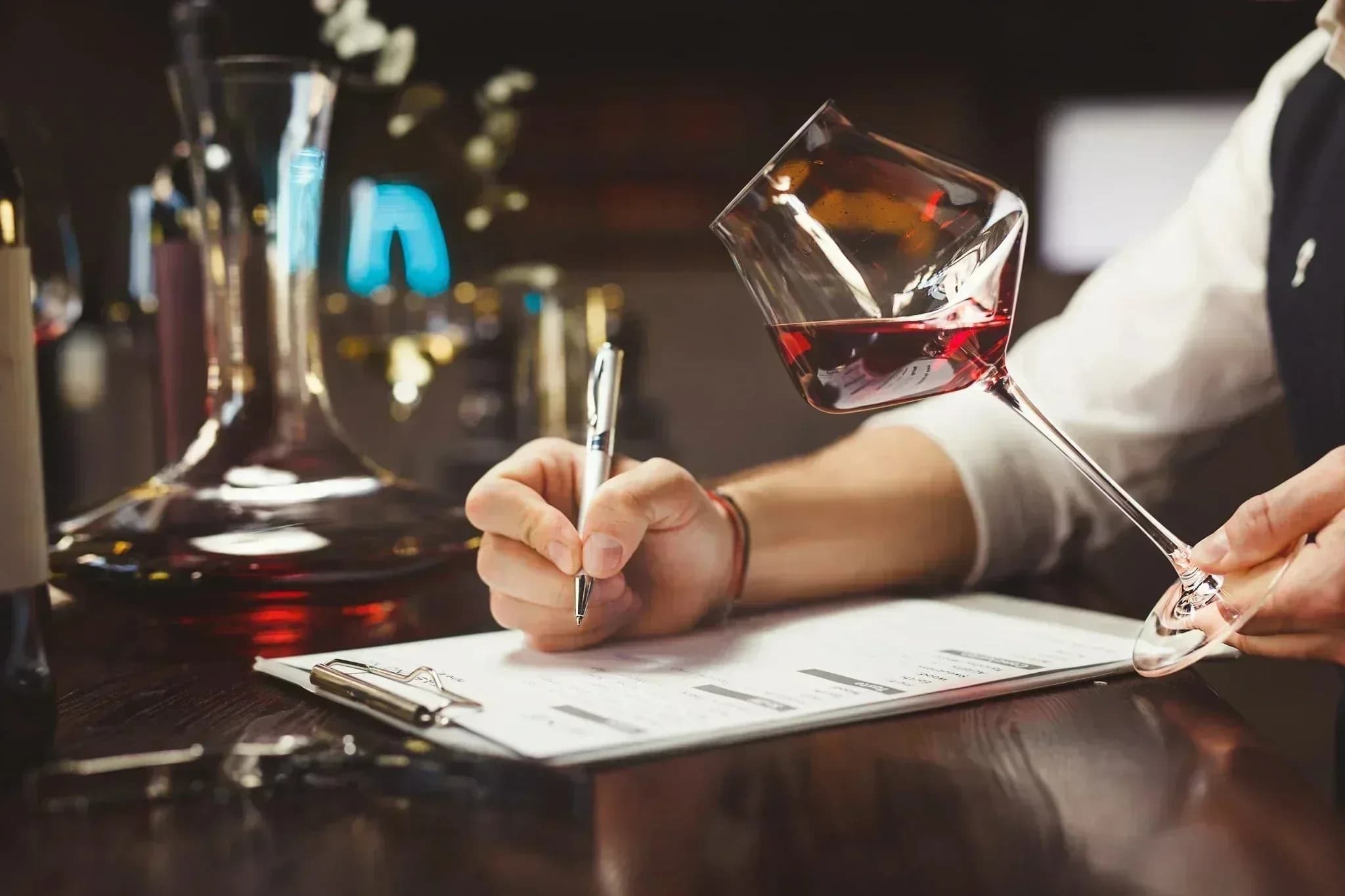
Explore the fundamentals of wine tasting through a structured method that reveals aroma, texture, and balance in every glass.

Define Your Format and Select the Wines

A successful blind tasting starts with a clear purpose. Begin by choosing a theme that connects the wines in a meaningful way. This keeps the tasting focused and allows participants to compare aromas, structure, and style with intention.

Common and effective blind tasting formats

  • Grape-focused: Explore how a single variety expresses itself across regions.
  • Regional comparison: Taste wines from one region made by different producers or vineyards.
  • Style-based: Compare unoaked versus oaked whites, or light-bodied versus full-bodied reds.
  • Vintage-focused: A vertical tasting of the same wine across multiple years.
  • Price-bracket tasting: Wines within the same price range to highlight value and quality differences.

For most home tastings, four to six bottles provide enough contrast without overwhelming the palate.

Pro tip: If guests contribute wines, share the theme and price range in advance so the lineup stays coherent.

Begin by selecting a theme that links the wines meaningfully. It keeps the tasting focused and helps participants compare aromas, structure, and style with purpose.

Prepare the Tools and Set Up the Tasting Environment

Blind tasting works best in a neutral, calm environment. The goal is to let aromas, textures, and balance stand out clearly without distraction.

Essential setup requirements

  • Identical wine glasses for fairness and consistency
  • Neutral lighting that does not distort color
  • No strong scents in the room
  • Good ventilation

Tools to prepare

Conceal the Wines and Organize the Pouring System

The integrity of a blind tasting depends on removing all visual cues. Conceal the bottles in a way that keeps them organized while fully hidden from participants.

Methods to hide labels

  • Opaque bottle bags
  • Neutral fabric wraps
  • Numbered jugs or decanters
Hide all visual clues to ensure a true blind tasting. Use bags, fabric wraps, or numbered decanters to keep bottles organized yet fully concealed.

Assign one person as the dedicated pourer. This ensures each participant receives the same wine at the same time and avoids accidental reveals.

Common mistake: Letting guests handle bottles before the reveal. Even small visual clues such as a capsule or closure can break the blind.

Serve and Sequence the Wines Correctly

The order of service strongly influences perception. A logical progression preserves freshness and prevents powerful wines from overshadowing delicate ones.

Recommended serving order

  • Sparkling wines
  • Light whites
  • Aromatic whites
  • Rosé
  • Light-bodied reds
  • Medium-bodied reds
  • Full-bodied or oaked reds
  • Sweet or fortified wines

Keep whites chilled but not too cold, and decant structured reds 30 to 60 minutes before tasting.

Pro tip: Begin with moderate alcohol wines and move gradually toward higher alcohol styles to reduce palate fatigue.

Taste Using a Structured, Professional Method

Blind tasting becomes clearer when everyone follows the same evaluation framework. Professionals rely on a three-part approach: appearance, nose, and palate.

Using a structured method helps make blind tastings clearer. Professionals assess wines by examining appearance, exploring the nose, and evaluating the palate.

Appearance

  • Clarity: clear or hazy
  • Color intensity: pale, medium, deep
  • For sparkling wines: bubble size and persistence

Nose

  • Aroma intensity: light, medium, pronounced
  • Primary aromas: fruit, floral, herbal, spice, mineral
  • Secondary aromas: lees, fermentation, oak
  • Tertiary aromas: dried fruit, earthy tones, oxidative notes

The Asiavino Wine Flavor Wheel helps identify aroma families and provides clear, shared vocabulary.

Palate

  • Sweetness: dry, off-dry, or sweet
  • Acidity: low, medium, high
  • Tannins: low, medium, high
  • Body: light, medium, full
  • Alcohol: balance and warmth
  • Finish: short, medium, long

Use the Asiavino Tasting Sheet to structure your notes. Consistent terminology makes comparisons more accurate and meaningful.

Reflect, Compare, and Share Your Guesses

Before revealing the bottles, invite participants to share their impressions. Encourage them to explain what they noticed, which clues guided their thinking, and which grape or region they suspect.

Some tasters focus on acidity and tannin structure, while others rely on aromatics or oak influence. These exchanges deepen understanding and expose different ways of interpreting the same wine.

Once everyone has shared their thoughts, proceed with the reveal. This moment helps connect theory to practice and reinforces learning.

Adding a Playful Twist to Your Blind Tasting

Blind tastings are educational, but they should also feel relaxed and enjoyable. A few playful elements can enhance engagement without distracting from learning.

Fun ways to elevate the experience

  • Reward the best guesser: Offer a small prize to encourage focus and friendly competition.
  • Blindfold the first nose: Smelling with eyes covered sharpens aromatic focus.
  • Add a wildcard wine: Include a bottle outside the theme to challenge assumptions.
  • Reveal the theme at the end: Keeps guessing dynamic and engaging.
  • Create team challenges: Let participants compare notes and defend their conclusions together.
Blind tastings can be both educational and fun. Simple playful elements like a blindfolded first smell help participants focus on aroma and make the experience more memorable.

Reveal the Wines and Discuss Your Observations

Reveal the wines one by one and compare them with your notes. Discuss which clues led to accurate guesses and which details proved misleading. Reflect on how grape variety, climate, winemaking choices, and aging shape the final profile.

Blind tastings always bring surprises. The objective is not to guess perfectly, but to understand why each wine tastes the way it does.

Turning Your Tasting Into Lasting Insight

Hosting a blind wine tasting at home is one of the most rewarding ways to explore wine. With a clear format, thoughtful setup, and a structured tasting method, each session becomes an opportunity to refine your palate and deepen your understanding.

For even greater clarity, use the Asiavino Wine Flavor Wheel and Tasting Sheet during your tastings. They help anchor vocabulary, highlight aroma families, and guide you through a professional approach from the first glass to the final reveal.

Previous
Wine, Health, and Longevity: What Science Really Says Today
Next
The Ultimate Guide to Pairing Wine with Spicy Food and Asian Cuisine

Leave a Comment

Your email address will not be published.

From Theory to Taste: Explore These Wines

Luigi Bosca Brut Nature

Luigi Bosca Brut Nature

Alcohol
75 cL
|
12.0%
Pure elegance in every bubble, Luigi Bosca Brut Nature, vibrant and refined for every celebration.
Luigi Bosca Bohème Brut Nature

Luigi Bosca Bohème Brut Nature

Alcohol
75 cL
|
13.2%
Elegant sparkling from high-altitude Chardonnay & Pinot Noir, with fine bubbles and a crisp finish.
97
Descorchados
96
DWWA
96
Vinous
97
Jeb Dunnuck
95
Tim Atkin
Outstanding
Cellar Worthy
Luigi Bosca PARAÍSO

Luigi Bosca PARAÍSO

Alcohol
75 cL
|
14.6%
The flagship of Luigi Bosca, crafted from Mendoza’s finest terroirs and 120 years of legacy.
97
DWWA
95
IWC
94
Vinous
93
Wine Spectator
93
James Suckling
96
Tim Atkin
Outstanding
Cellar Worthy
Luigi Bosca Finca Los Nobles Vistalba Malbec DOC

Luigi Bosca Finca Los Nobles Vistalba Malbec DOC

Varietal
94% Malbec, 6% Petit Verdot
Alcohol
75 cL
|
14.3%
An icon of Vistalba, where century-old vines craft Malbec of elegance, depth, and timeless allure.
97
Descorchados
96
Tim Atkin
95
Jeb Dunnuck
Cellar Worthy
Outstanding
Luigi Bosca León Cabernet Sauvignon

Luigi Bosca León Cabernet Sauvignon

Varietal
91% Cabernet Sauvignon, 5% Petit Verdot, 4% Malbec
Alcohol
75 cL
|
14.1%
A bold tribute to heritage, blending Mendoza’s finest grapes into elegance and timeless character.

Learn About Wine

Become a Wine Expert

Winemaker standing in a vineyard, smelling a glass of wine to evaluate its aromas and connection to the terroir.

How to Identify Wine Flavors and Describe your Palate Like a Pro

Discover how to identify wine aromas, understand where flavors come from, and use the Wine Flavor Wheel to describe your palate with confidence and precision.
A couple selecting wine bottles in a wine shop, comparing labels and styles

What Creates Value in Wine

Wine value is not defined by price or prestige. This guide explains the natural, human, and commercial factors that shape quality, cost, and perception in wine.
A sommelier decants and pours red wine gently to enhance aeration, soften tannins, and reveal deeper aromas.

The complete guide to essential wine accessories

A practical guide to the best wine accessories for opening, serving, and preserving bottles. Learn how each tool works and how it improves your wine experience.