
How to Taste Wine and Train Your Palate
Explore the art of wine tasting and learn how to observe, smell, and taste like a professional. Understand how each sense reveals the balance, structure, and quality of a wine.
Asia's home for great wine
Wine education in China has expanded beyond global certifications into a diverse ecosystem of regional programmes, private academies, and specialised learning pathways for professionals and enthusiasts.
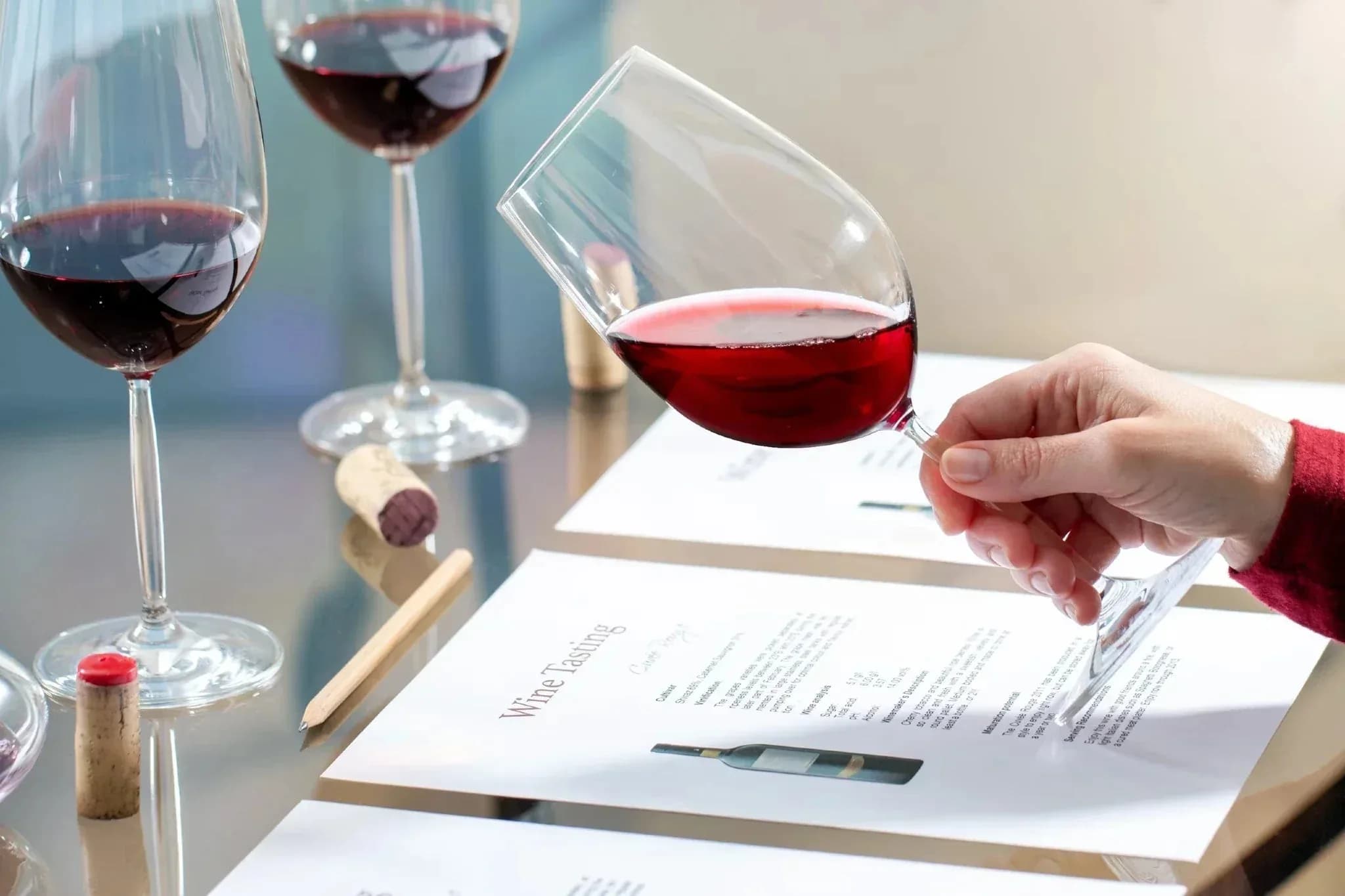
Wine education in China has evolved rapidly over the past decade. What began with a strong focus on a limited number of international certifications has expanded into a diverse ecosystem of regional programmes, private academies, and specialised courses.
Today, wine professionals and dedicated enthusiasts in China can choose from multiple learning pathways depending on their goals, level of experience, and area of specialisation.
This guide explores how wine education is structured in China today, the main types of certifications available, and how professionals evaluate credibility and relevance in this dynamic, maturing market.
Internationally recognised certifications continue to serve as the global benchmarks for structured wine education. Their standardised curricula, rigorous examinations, and global portability make them invaluable for professionals pursuing international careers or working with imported wines.
The WSET (Wine & Spirit Education Trust) is widely regarded as the dominant benchmark, serving as a reference point for trade, retail, import and export, and advanced enthusiasts. Its qualifications are critical for roles such as Wine Buyer, Educator, and Brand Manager.
The CMS (Court of Master Sommeliers) holds a more specialised focus, primarily serving on-premise service, hospitality, and restaurant professionals. While less common than WSET, it is highly respected in the fine dining sector and aligns closely with careers such as Sommelier and Hospitality Director.
Rather than replacing global certifications, many China-based programmes now function alongside them, offering localised context, regional depth, or specialised focus.
As the Chinese wine market has matured, professionals increasingly seek deeper and more specialised knowledge. Trade organisations and regional bodies have introduced official certification programmes dedicated to specific wine-producing countries or regions. These programmes are often directly supported by interprofessional associations, which gives them strong trade legitimacy.
Key examples in China include:
Programmes such as CSiW and other Italy-focused certifications are often chosen for their structured approach to complexity, while academy-based initiatives may emphasise ambassadorial roles, trade promotion, or brand education.
These certifications typically emphasise terroir, appellation systems, grape varieties, and tasting typicity, providing valuable tools for professionals working in importation, distribution, education, and brand representation.
A critical, and often overlooked, layer of wine education in China focuses on domestic production and technical expertise. Major agricultural universities and vocational schools train the next generation of vineyard managers and winemakers.
While these academic qualifications lack the international portability of WSET or CMS, they form the primary talent pipeline for the domestic production sector and offer a deeper scientific foundation in viticulture and winemaking than most trade-focused certifications.
Private wine academies and independent educators play a significant role in responding quickly to market demand, offering flexible formats and advanced specialisation.
Private programmemes often focus on advanced topics such as terroir-driven regional studies, structured tasting methodology, or targeted exam preparation, including WSET Diploma support. The market places notable value on star educators, instructors who combine strong credentials with a visible personal brand and media presence.
While visibility can enhance accessibility and engagement, experienced professionals continue to prioritise teaching quality, depth of knowledge, and real-world experience over popularity alone.
China’s digital ecosystem has also reshaped wine education. E-learning formats and live streaming educational content on platforms such as Douyin and WeChat are widely used to expand access and sustain learners' ongoing engagement.
In China’s increasingly sophisticated wine market, professionals evaluate education programmemes using a combination of global standards and local considerations.
Wine education in China is no longer defined by a single institution or dominant model. Instead, it reflects the broader evolution of the market, where specialisation, regional expertise, and continuous learning are increasingly valued.
For professionals pursuing international careers, local programmemes provide essential market context and specialisation, while global certifications offer portability and long-term recognition. For dedicated wine lovers, these courses offer structured discovery and a deeper appreciation of wine regions and styles.
The most effective education paths often combine several formats over time, integrating global qualifications, regional certifications, and targeted private courses to build the versatile and resilient knowledge base required in one of the world’s most complex wine markets.
Explore the art of wine tasting and learn how to observe, smell, and taste like a professional. Understand how each sense reveals the balance, structure, and quality of a wine.

New Latitude Wines are crafted outside the 30-50° wine belt. Discover how winemakers adapt to tropical heat and northern cold to create distinctive wines in emerging regions.

Master the essentials of wine cellaring: temperature, humidity, inventory, and selection to protect your wines and enjoy them at their perfect peak.