Skip to content
Asiavino
France flagMoltès

Riesling Steinstück Bio

Dry organic Riesling from Steinstück’s pink sandstone, with white flowers, lemon and grapefruit, a lively palate and good length.

Not yet available in Taiwan, China.

Tell me when it arrives

We write to you once, the day it arrives in Taiwan, China.

We will email you a link to confirm. This is not a newsletter and we will not add you to one.

Importing wine into Taiwan, China? Promote your wine portfolio on Asiavino

Origin
France · Alsace
Alcohol
12% vol.
Serving Temperature
12 °C

About this wine

White flowers, lemon and grapefruit give this Riesling its fresh, direct character. Lemon pulp and spring flowers carry across a lively palate, with good length after the sip.

It grows on Steinstück’s east- and south-east-facing pink sandstone slopes, at 310 to 320 metres. Made from organically grown Riesling, it is a dry, clear expression of this place.

Tasting notes

Appearance

Crystalline, with light green shades turning to lemon yellow.

Nose

Fresh and direct, with white flowers, lemon and grapefruit.

Palate

Dry and lively, with lemon pulp and spring flowers.

Finish

Good length.

Characteristics

Drinking window

Drink now or hold up to 6 years

Body

LightBold

Sweetness

DrySweet

Acidity

SoftAcidic

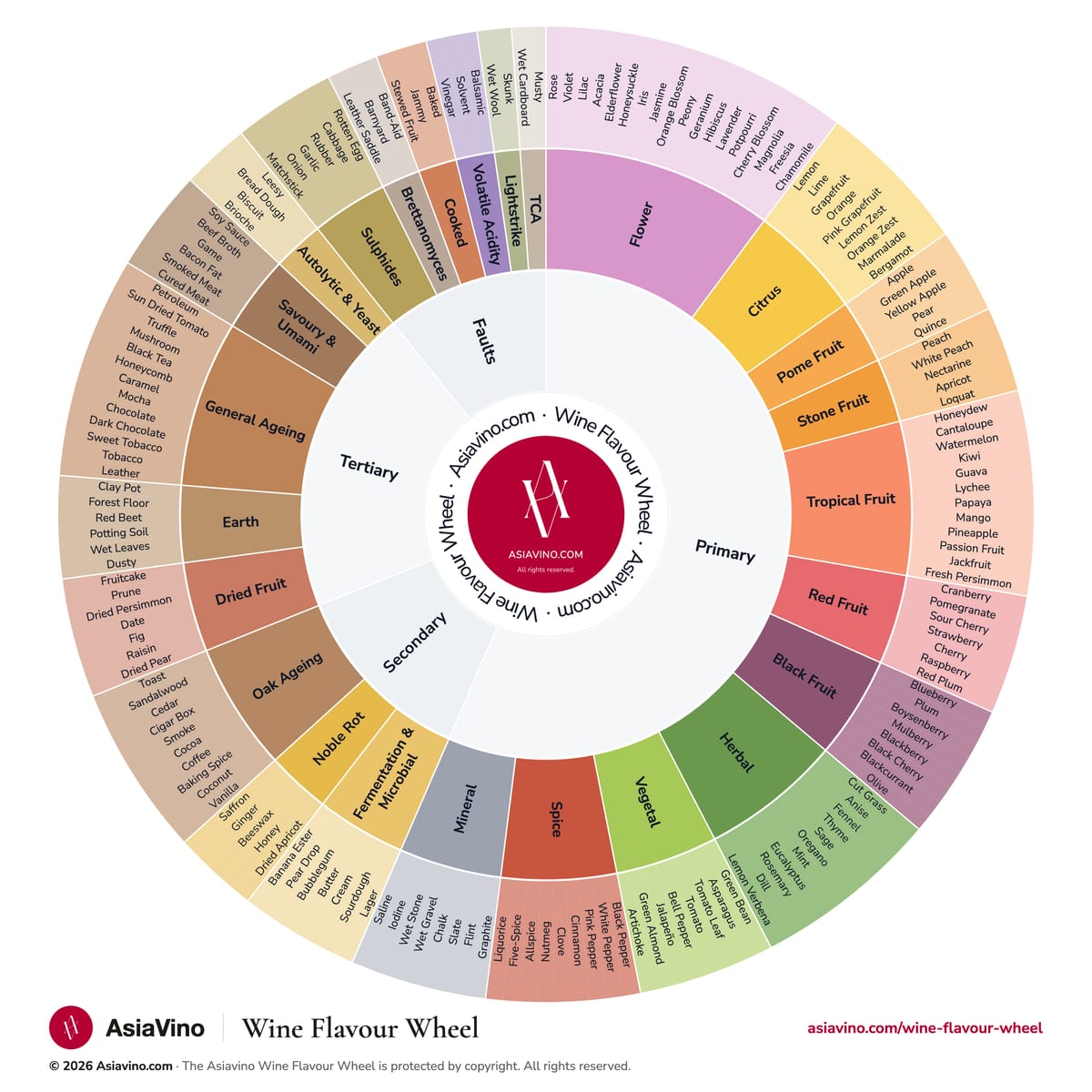
Aromas & flavours

Flower
  • White Flowers
Citrus
  • Lemon
  • Grapefruit

Food pairings

Made for seafood, fish in a sauce and white meats.

Pairs well with

  • Seafood & Shellfish
  • Sushi & Sashimi

Asian cuisine

  • Sushi & Sashimi
  • Chinese Steamed Fish
  • Summer Rolls
  • Low spice

    Pairs best with gently seasoned cuisine, where spice adds aroma without overwhelming the wine’s crisp acidity. Avoid very spicy food, as acidity may amplify heat.


Awards

All awards and scores received across vintages.
Partner competitionGrand GoldThe World White Wines Contest
20262023 vintage

Technical characteristics

Origin & Grape

Origin
France · Alsace
Soil
Sandstone

In the Glass

Alcohol
12% vol.
Acidity
6.82 g/L
Residual Sugar
0 g/L
Serving Temperature
12 °C
Moltès
Moltès

Winery

Moltès

From Antoine’s Pfaffenheim roots to Stéphane and Mickaël’s organic vineyards, Moltès brings a family’s care for Alsace into the glass.

Brothers Stéphane and Mickaël Moltès crouching beside the domaine's carved stone sign

The Family & Heritage

A Family Name on Every Bottle

Antoine Moltès founded the domaine in Pfaffenheim in 1930, in a village the family had called home since the end of the eighteenth century. Roland took over in 1960, with Josiane joining him in 1970. It is a story of people who made growing vines their shared work, with the family name carried forward on the bottle.

Since 1995, Antoine’s grandsons Stéphane and Mickaël have run the estate. Their names appear together on every label, an introduction to the brothers behind the wine. Bring a bottle to the table and that family connection becomes part of the pleasure of discovering Alsace.

The Vineyards & Terroir

Limestone, Sandstone and the Slopes Above

Above Pfaffenheim, the vineyards face east and south-east, rising from about 210 to 320 metres. Clay and silt form part of this landscape, with limestone on Grand Cru Steinert and pink sandstone on Steinstück. The domaine also works with Grand Cru Zinnkoepflé, bringing these Alsace places into its wines.

Conversion to organic farming began in 2012, and the estate is now certified organic. For the brothers, this work serves a search for finesse, minerality and a more authentic taste. It also looks ahead: their ambition is to pass the land on intact, so that the next generation can continue its story.

The Winemaking

Care in the Vines, Patience Below

The work begins with strict winter pruning and continues with shoot-thinning by hand. From mid-September, harvest unfolds over about six weeks. Gentle pneumatic pressing then brings the grapes into the cellar, where temperature-controlled tanks give the brothers a precise way to guide fermentation.

White wines ferment at 18 to 20 °C and spend several months ageing on fine lees. Oak casks of 15 to 40 hectolitres are also part of the cellar’s craft, while Crémant d’Alsace follows the traditional method. Across this work, the aim stays clear: finesse, minerality and an authentic taste that invites another thoughtful sip.

More from this brand

See all