Selecting wine for a dinner party should feel exciting, not intimidating. With a few clear principles and thoughtful planning, you can build a lineup of wines that complements your menu, delights your guests, and creates a warm, memorable atmosphere. This guide provides modern pairing rules, practical examples, and deeper explanations that help you choose with confidence.
Start with the Style and Weight of the Menu
Great wine pairing begins with balance. Match the dish's weight, intensity, and overall character to the wine's structure. Once you understand this, pairing becomes intuitive.
Light dishes
Choose refreshing wines with bright acidity and delicate aromatics.
- Examples: green salads, sushi, steamed fish, fresh vegetables, citrus dressings
- Best wines: Sauvignon Blanc, Albariño, Pinot Grigio, dry Riesling, sparkling wine
Medium dishes
These dishes have more texture and flavor, so choose wines with a rounder mouthfeel or gentle fruit richness.
- Examples: miso-glazed salmon, roast chicken, creamy pasta, risotto
- Best wines: Chardonnay, Chenin Blanc, Viognier, Pinot Noir, Gamay
Rich dishes
Fuller dishes need wines with depth, structure, and either strong acidity or firm tannins to keep the palate balanced.
- Examples: steak, lamb chops, beef bourguignon, BBQ dishes, slow-cooked meats
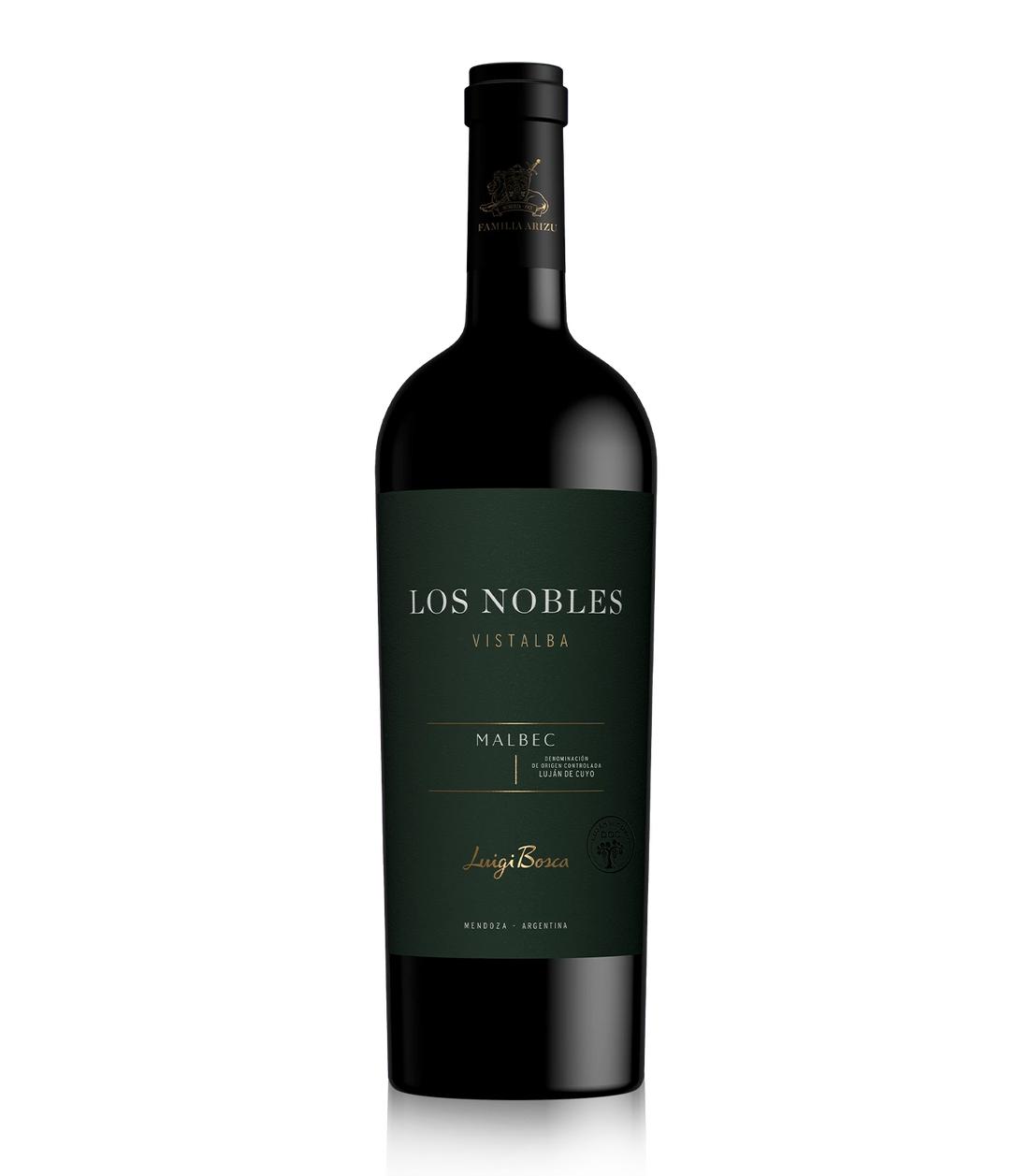
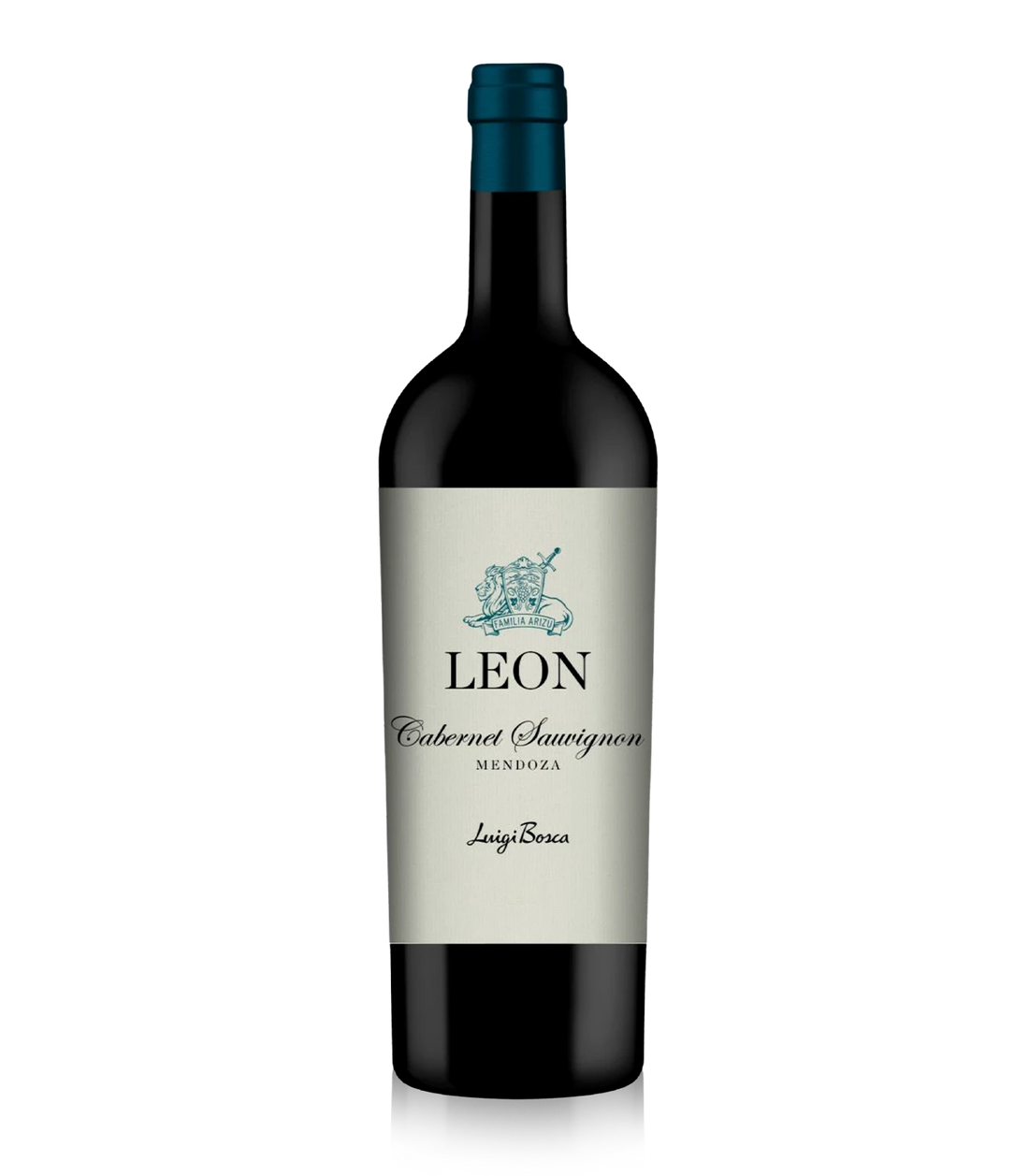
- Best wines: Cabernet Sauvignon, Syrah, Malbec, Tempranillo
Pairing Regional Cuisines with Local Wines
Wine and food from the same region often feel naturally connected. They grow in the same climate, share the same traditions, and evolve together across generations. This is why pairing local dishes with local wines is one of the simplest and most satisfying rules in food-and-wine matching. It brings a sense of place to your table and can even evoke memories of a past trip, a vineyard tasting, or a meal enjoyed far from home. Wine turns dinner into a small act of travel.
You can see this harmony across many of the world’s culinary landscapes. In Italy, tomato-rich dishes and grilled meats find effortless balance with the bright acidity of Sangiovese. In France, Burgundy’s earthy cuisine naturally pairs with Pinot Noir and Chardonnay, while the herb-driven dishes of the Rhône align beautifully with Grenache and Syrah. In Spain, grilled meats, chorizo, and paprika-based dishes shine beside Tempranillo, while coastal seafood finds its ideal partner in Albariño, and festive tapas come alive next to a glass of fresh Cava. These pairings are not rules to be strictly followed, but gentle guides shaped by centuries of tradition.
Choose Wines That Please a Group
A dinner party brings together different tastes, preferences, and levels of wine knowledge. The most successful bottles are expressive enough to feel special, yet gentle and balanced enough to appeal to everyone. Think of these wines as gracious hosts: welcoming, versatile, and comfortable alongside a wide range of dishes.
Avoid extremes such as heavy oak, very high tannins, or intense sweetness, as they tend to divide opinions. Instead, focus on wines that feel fresh and harmonious, the kind that quietly support the meal while still bringing pleasure to every glass.
Start with sparkling wine
Sparkling wine immediately sets a joyful tone. It refreshes the palate, pairs with nearly any appetizer, and makes guests feel at ease from the first toast. Crémant, Cava, or Prosecco deliver elegance without overwhelming the food or the conversation.
Reliable white wines for groups
Choose whites that offer balance and clarity rather than extremes of oak or sweetness. These styles suit vegetables, seafood, salads, and lighter mains.
- Chenin Blanc for vibrant acidity and gentle fruit
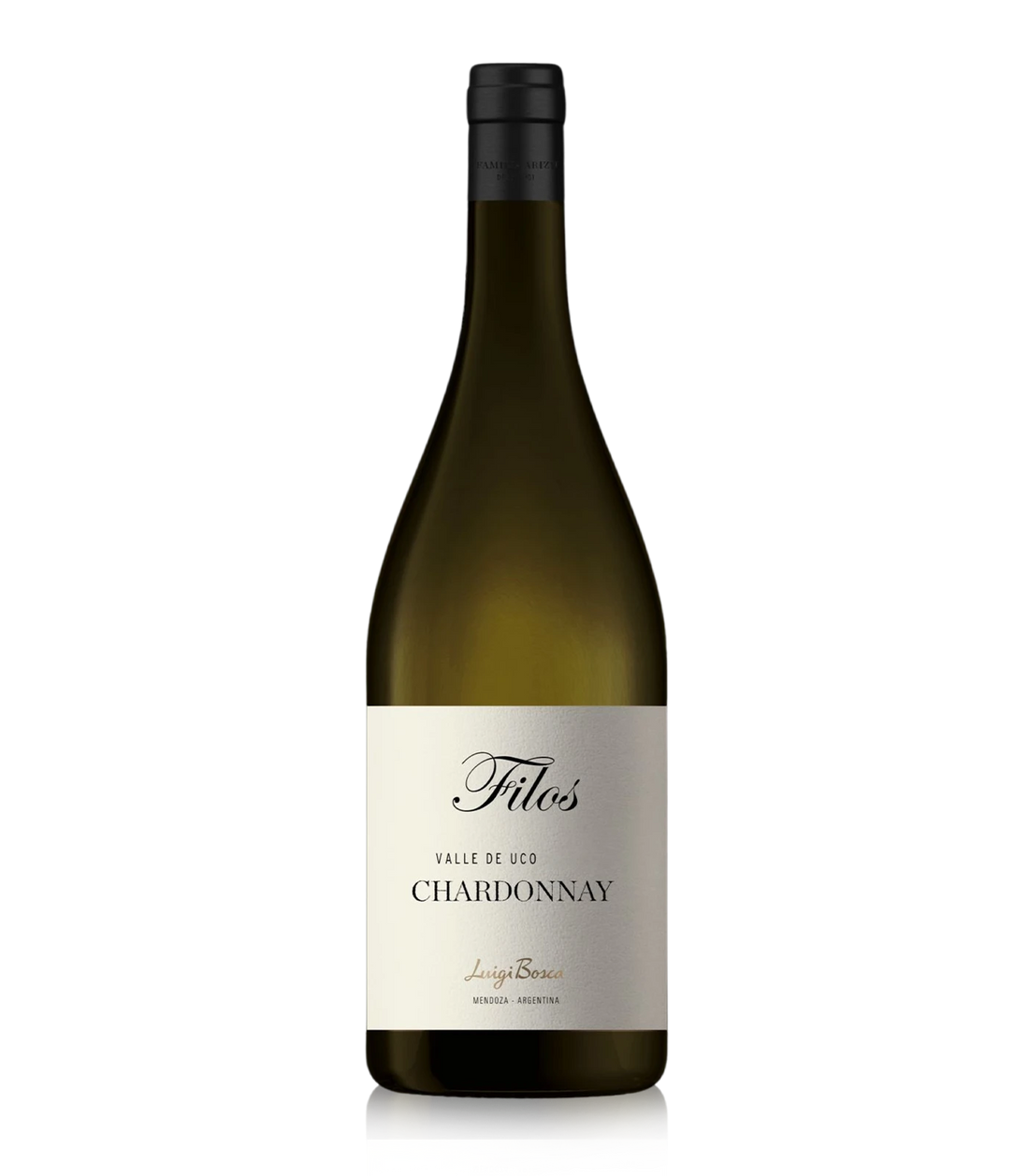
- Balanced Chardonnay (unoaked or lightly oaked) for creamy dishes and soft textures
- Dry Riesling for freshness, lift, and broad versatility
The perfect rosé option
Dry rosé bridges the gap between light and rich dishes. It works beautifully with salads, seafood, grilled vegetables, light meats, and shared platters. When the menu includes contrasting flavors or several small dishes, rosé keeps everything in harmony.
Reliable red wines for groups
Red wines for groups should avoid harsh tannins or heavy oak. Instead, look for softness, fruit, and balance.
- Pinot Noir for delicacy and food friendliness
- Malbec for soft tannins and juicy, approachable fruit
- Grenache blends for expressive fruit and gentle spice
When in doubt, choose wines that feel open, friendly, and balanced. These bottles complement the food, keep conversation flowing, and help create a relaxed, welcoming atmosphere around the table.
The Role of Acidity, Sweetness, Tannins, and Texture
Instead of pairing by color alone, use these structural elements as your compass. Understanding them helps you adapt pairings to your menu without relying on rigid rules.
Acidity
Acidity makes wine feel bright and refreshing. It cuts through richness, balances salt, and helps cleanse the palate.
- Pair high-acidity wines with salty foods, fried dishes, creamy sauces, and rich seafood.
- Great with: goat cheese salad, fried chicken, oysters, fish tacos, creamy pasta with lemon.
- Examples: Sauvignon Blanc, Champagne, Riesling, Albariño.
Sweetness
A touch of sweetness cools spice and enhances fruity or aromatic flavors in food.
- Pair off-dry wines with spicy dishes, aromatic cuisines, and lightly sweet recipes.
- Great with: Thai green curry, chili prawns, Korean fried chicken, sweet and sour pork, mango salad.
- Examples: off-dry Riesling, Gewürztraminer, Moscato.
Tannins
Tannins create structure in red wine. They bond with proteins, which softens their drying sensation and creates harmony with richer dishes.
- Pair high tannins with fatty or protein-rich dishes.
- Smoke, char, and caramelized flavors soften tannins, making wines like Cabernet Sauvignon, Syrah, and Malbec especially satisfying with grilled or roasted recipes.
- Examples: ribeye steak, lamb shoulder, brisket, grilled mushrooms, short ribs.
Body and texture
A rich dish needs a wine with a matching body. Delicate dishes need something lighter. Aligning weight keeps pairings in harmony.
- Light dishes pair best with crisp, refreshing wines that do not overwhelm subtle flavors.
- Richer dishes need fuller wines with a rounder texture to make the pairing feel complete, not thin.
How Different Wine Styles React to Spice
Spice changes the way we perceive wine, especially when chili heat is involved. Heat intensifies alcohol, sharpens tannins, and reduces the sensation of sweetness. This is why a wine with high alcohol can feel much hotter and more aggressive beside spicy food. Instead of choosing wines only by grape or color, think about how alcohol, sweetness, acidity, and tannins behave with heat and aromatics. This approach works across cuisines, from Thai and Korean to Mexican, Indian, Middle Eastern, and barbecue.
The role of alcohol level
Alcohol is the key factor that determines how wine interacts with chili spice. Higher alcohol amplifies heat, making the dish feel spicier and the wine warmer and more intense. Lower-alcohol wines feel cooler, softer, and more refreshing beside chili. As a rule, choose wines under 13 percent for hot dishes, and avoid anything above 14 percent when spice is strong.
Sparkling wines
Effervescence brightens aromatic spices, but strong chili heat can amplify alcohol and bubbles, making the pairing feel sharper.
- Pairs best with: gently seasoned cuisine, aromatic herbs, lime dressings, tempura, sushi with light wasabi
- Avoid: very spicy dishes, because carbonation and alcohol intensify heat
Dry white wines
Dry whites refresh the palate and complement spices when the heat is moderate. High acidity cuts through fat, and aromatic whites lift herbal and citrus flavors. Choose bottles with moderate alcohol to avoid amplifying chili.
- Pairs best with: moderately spiced dishes, Thai basil stir-fries, ginger chicken, mild curries, tacos with cilantro
- Avoid: extremely hot dishes, especially with high-alcohol whites
Off-dry and lightly sweet whites
A touch of sweetness softens heat and creates harmony with aromatic spice blends. Lower alcohol keeps the pairing cool and pleasant.
- Pairs best with: chili prawns, green curry, Sichuan dishes, Korean fried chicken, sweet-spicy marinades
- Avoid: heavy cream sauces, which mute freshness
Rosé wines
Dry rosé offers freshness with a gentle fruit core. It works well with moderate heat but can taste sharper when chili is very intense, especially in higher-alcohol styles.
- Pairs best with: paprika dishes, saffron, shawarma, tandoori chicken, lightly spiced BBQ
- Avoid: very spicy dishes that overpower subtle fruit and highlight alcohol
Light-bodied red wines
Low-tannin reds with bright fruit can pair with spice when the dish also includes richness, sweetness, or smoke. Keep alcohol levels moderate so the pairing stays smooth and not fiery.
- Pairs best with: grilled vegetables, smoky chicken, spiced pork, glazed ribs, five-spice duck, roasted peppers
- Avoid: very spicy dishes, which amplify alcohol and tannins
Full-bodied red wines
Full reds shine with spiced foods when the heat is mild or moderate. Their richness integrates beautifully with BBQ sauces, caramelization, and char. Choose lower-alcohol versions when possible.
- Pairs best with: mildly spiced BBQ, chili-glazed meats, pepper-crusted steak, smoky lamb, grilled mushrooms
- Avoid: dishes where chili dominates, as alcohol and tannins become harsh
Difficult-to-Pair Foods and How to Handle Them
Some ingredients challenge even experienced wine drinkers because they change how we perceive sweetness, bitterness, or acidity. Artichokes and asparagus can make wines taste metallic, vinegar heightens sharpness, blue cheese overwhelms delicate styles, and chocolate clashes with most dry wines.
The key is to choose wines with either high acidity, gentle sweetness, or a touch of sparkle to restore balance. This is why Sauvignon Blanc pairs well with green vegetables, Albariño and dry Riesling pair well with vinegar-driven dishes, sweet wines pair well with blue cheese, and fortified reds pair well with chocolate. Understanding the underlying structure makes these pairings feel effortless.
Wine Pairing for Vegetarian Dishes
Vegetarian cooking offers an incredible range of flavors, from earthy to bright, smoky to aromatic. Roasted vegetables shine with wines that offer gentle fruit and freshness, such as Grenache, Chenin Blanc, or Pinot Noir. Mushroom-based dishes pair beautifully with earthy reds like Pinot Noir or lighter Nebbiolo, while aromatic whites or rosé complement spiced vegetable curries. Tomato-focused plates work best with high-acid reds like Sangiovese or Barbera, and hearty lentil or bean dishes feel complete beside smooth, structured reds such as Malbec, Rioja, or Syrah blends.
When you match the dish's weight and aromatics to the wine’s structure, vegetarian pairings become surprisingly intuitive.
Common Wine Pairing Mistakes to Avoid
Even with good instincts, a few small missteps can unbalance the harmony between food and wine. Most pairing problems come from mismatched intensity, incorrect serving temperatures, or overlooking how sweetness, acidity, or tannins behave beside certain flavors. Keeping a few essential principles in mind makes wine and food feel naturally aligned.
- Ignoring the weight of the dish. Light dishes need fresh, delicate wines, while rich or slow-cooked recipes require fuller styles with depth.
- Serving wines at extreme temperatures. Whites that are too cold lose aroma and texture, while reds that are too warm taste heavy and flat. Slightly chilled reds and cool, not icy, whites keep flavors vibrant.
- Overlooking sweetness in the dish. When food contains sweetness, dry or tannic wines can taste harsh. Choose wines with a touch of sweetness or plenty of fruit to keep the balance.
- Using high-alcohol wines with chili heat. Alcohol amplifies spice and can make the pairing feel sharp. Choose lower-alcohol, aromatic, or lightly sweet wines for hot dishes.
- Focusing only on the protein instead of the sauce. The sauce often determines the correct wine. Tomato, cream, citrus, or spicy sauces have a much greater impact than the meat itself.
- Pairing tannic reds with sweet or very spicy foods. Tannins become harsher in these situations. Match tannin with protein-rich, savory dishes instead.
Serving Temperature and Glassware
How a wine is served can be just as important as which bottle you choose. Temperature and glass shape influence aroma, texture, and balance, often deciding whether a pairing feels refreshing and elegant or heavy and muted.
Serving temperature
Wine reveals its true character when served at the right temperature. Whites lose nuance when they are too cold, and reds feel heavy when they are too warm. A gentle chill brings clarity to aromas and keeps textures lively.
- Light whites and sparkling: 6 to 8°C for freshness and lift
- Aromatic whites: 8 to 10°C to highlight floral and fruity notes
- Medium whites and rosé: 10 to 12°C for balance and texture
- Light reds: 12 to 14°C to keep fruit vibrant and tannins gentle
- Full-bodied reds: 16 to 18°C for depth without heaviness
Glassware
The shape of the glass guides the wine’s aromas toward the nose and affects how it lands on the palate. You do not need a vast collection, only a few well-chosen options.
- Narrow glasses for sparkling wines and delicate aromatic whites
- Medium rounded glasses for Chardonnay, rosé, and most everyday whites
- Large rounded glasses for structured reds that benefit from more aeration
A Simple Wine Lineup That Works Every Time
If you want a selection that flows naturally through a dinner party and suits nearly any menu, these wines offer balance, versatility, and broad appeal. They take you from the first welcome toast to the final sip at dessert, covering delicate starters, rich main courses, spicy dishes, and smoky or sweet-savory flavors along the way.
Start with a sparkling wine: Crémant, Cava, or Prosecco to open the evening with freshness and energy.
Move to a crisp white: Sauvignon Blanc or Albariño for salads, seafood, sushi, and lightly seasoned dishes.
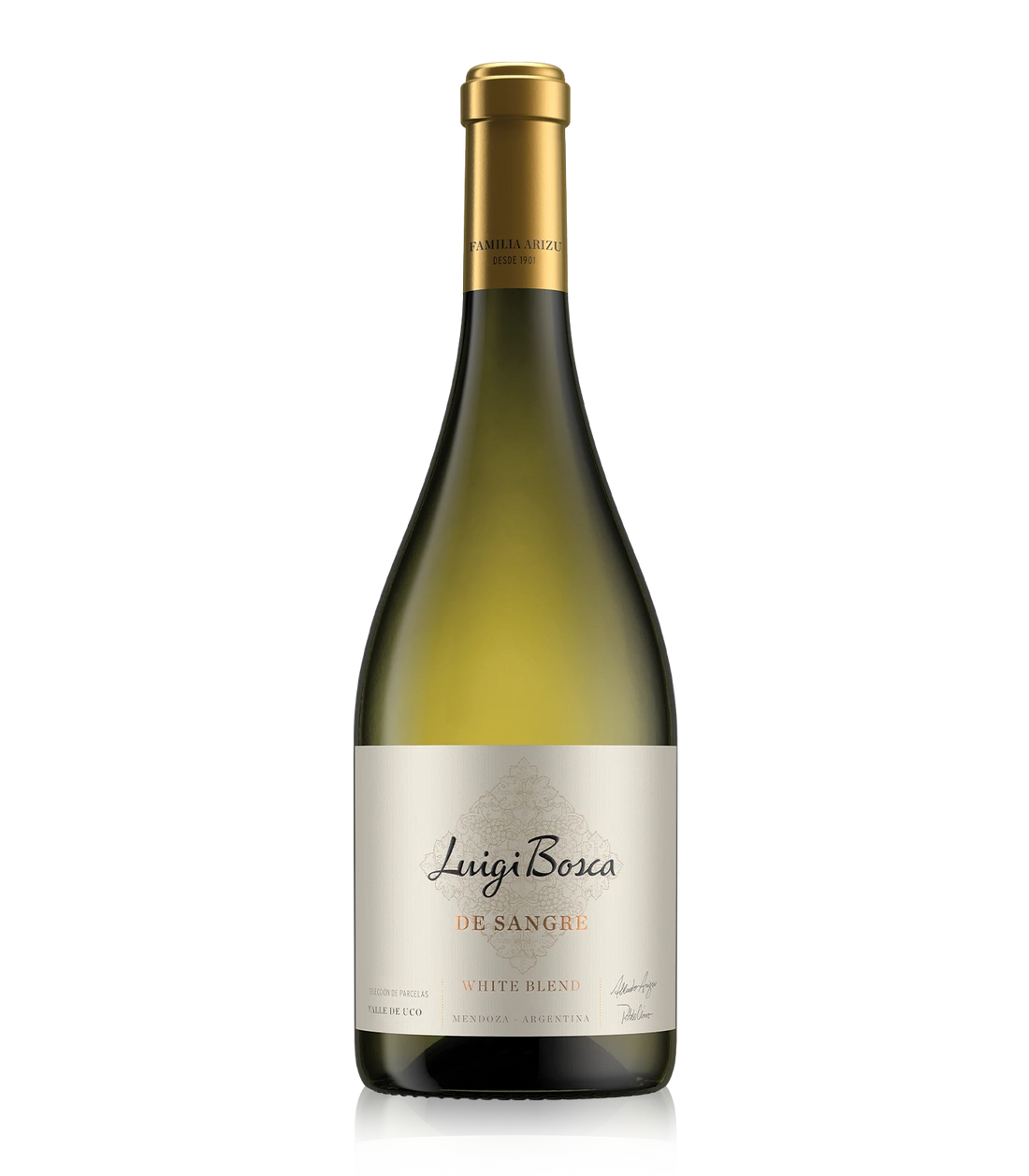
Add a smooth medium-body white: Chardonnay or Chenin Blanc for roasted poultry, creamy sauces, and richer textures.
Serve a versatile red: Pinot Noir or Grenache for pork, lamb, mushrooms, and herb-driven dishes.
Include a fruit-forward red: Malbec, Zinfandel, or Syrah for BBQ, grilled meats, and sweet-savory glazes.
Finish with a sweet or aromatic wine: Moscato d’Asti, Sauternes, or a late-harvest Riesling for dessert or to soften spicy dishes. For an even richer finale, consider a fortified wine such as Tawny Port or Madeira, which pairs beautifully with chocolate, caramelized flavors, and nut-based desserts.
Bringing Your Dinner Party Together
Pairing wine for a dinner party becomes simple once you focus on balance and intention. Light dishes shine with crisp, refreshing wines, while richer recipes call for deeper textures and fuller body. Acidity is your ally when serving salty or creamy foods, sweetness softens spice, and tannins find harmony with protein-rich dishes. Choosing versatile bottles makes it easier to please a diverse group and ensures that the wines support the entire menu.
Sparkling wine remains the perfect way to open the evening, setting a joyful tone from the first toast. As the meal unfolds, well-chosen whites and reds guide your guests through the flavors on the table, adding comfort and enjoyment. To close the night, a sweet or fortified wine offers a gentle, memorable finish that pairs naturally with dessert or a quiet moment at the table.
With thoughtful choices and a touch of curiosity, your wine selection becomes an effortless part of the celebration and a reflection of the warm, welcoming table you create.