
How to Taste Wine and Train Your Palate
Explore the art of wine tasting and learn how to observe, smell, and taste like a professional. Understand how each sense reveals the balance, structure, and quality of a wine.
Asia's home for great wine
Becoming a sommelier requires more than passion for wine. Discover the training, certifications, tasting discipline, and experience behind this demanding profession.
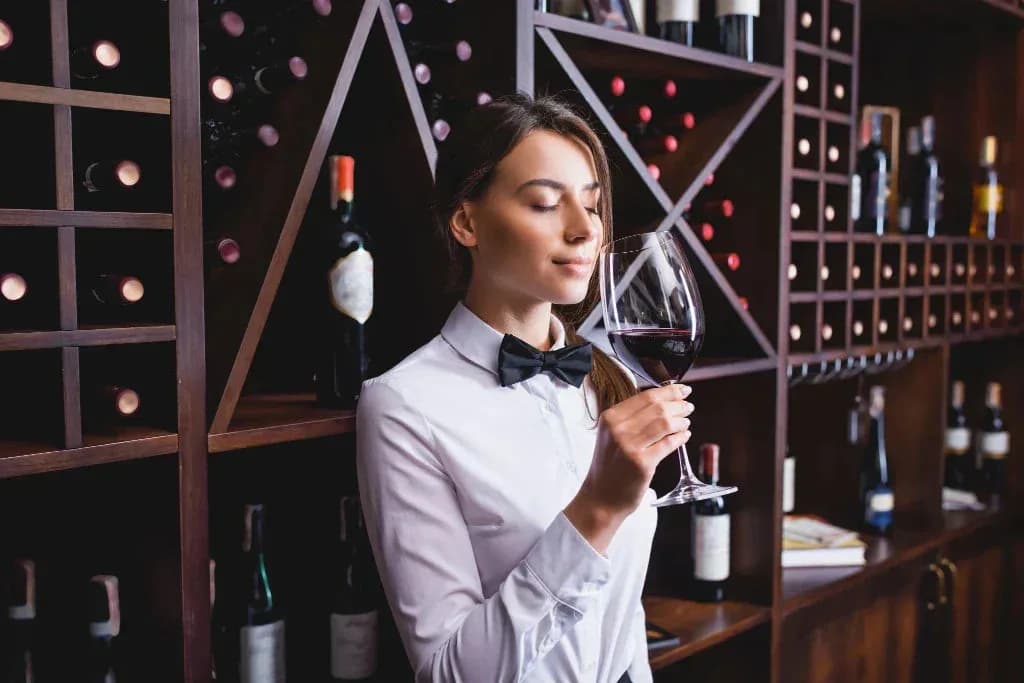
For many wine lovers, the idea of becoming a sommelier represents more than a career change. It is a deep commitment to learning, discipline, and service. While the profession is often romanticised, the reality is built on years of rigorous study, tasting, and hands-on experience. Understanding what it truly takes is essential before choosing this path.
This guide explores the core pillars of the sommelier profession, from certification and tasting to professional experience, travel, and long-term career development.
Today, most professional sommelier roles require formal certification. The two most internationally recognised institutions, both originating in the United Kingdom, are the Court of Master Sommeliers (CMS) and the Wine and Spirits Education Trust (WSET). Each follows a distinct philosophy and prepares candidates for different career paths within the wine industry.
Places strong emphasis on wine service in fine-dining environments.
Training covers tableside service, cellar management, storage conditions, and guest interaction.
The programme includes four levels, culminating in the prestigious Master Sommelier (MS) examination, which typically requires many years of preparation and professional experience.
Emphasises comprehensive wine knowledge from a broader business perspective.
Covers tasting methodology, viticulture, winemaking, global regions, and wine commerce.
The pathway also comprises four levels, ranging from introductory courses to the highly respected Level 4 Diploma in Wines. While service is not central, the diploma is widely respected across retail, import, education, and production.
Certification alone does not create a sommelier. Developing a reliable palate and professional judgment requires years of real-world exposure in hospitality. Most sommeliers begin in entry-level roles, learning through observation and guidance from more experienced professionals.
This gradual progression involves hands-on responsibilities that are essential for success in advanced exams:
Cellar management: Assisting with inventory, rotation, and proper storage and handling.
Staff tastings: Participating in focused evaluations to build palate memory and familiarity with the wine list.
Pairing practice: Learning how wine interacts with food, service pace, and guest expectations.
Service and sales: Assisting with tableside recommendations and developing confidence in guest interaction.
The wine profession is unique in that theory and practice must evolve together. Without consistent service and tasting experience, higher-level certifications become extremely difficult to achieve.

Many respected sommeliers and wine educators have visited vineyards and wine regions. Seeing where wine is made creates stronger mental connections between geography, climate, soil, and resulting style.
Walking through vineyards, observing harvest, and speaking directly with growers adds depth to theoretical knowledge.
These experiences make regional distinctions easier to remember and improve accuracy in blind tasting and wine recommendations.
Tasting is the foundation of all wine expertise. Progress comes through repetition, focus, and disciplined methodology. Blind tasting is not a talent but a trained skill developed over hundreds or thousands of comparative tastings.
Professional tasting often involves spitting, note-taking, and systematic evaluation rather than casual enjoyment. This structured approach typically follows a standardised framework:
CMS uses the Deductive Tasting Method (DTM)
Over time, this disciplined methodology allows sommeliers to recognise grape varieties, regions, and winemaking techniques with increasing precision.
The wine world is highly interconnected. Relationships play a significant role in professional development, access to wines, and career opportunities. Tastings, trade events, winery visits, and industry gatherings are essential spaces for learning and connection.
A strong reputation for integrity, curiosity, and professionalism is as valuable as technical skill. Many career opportunities arise through trust and recommendation rather than formal applications.
Becoming a sommelier requires patience, humility, and sustained effort. It is not a shortcut to prestige or indulgence, but a long-term commitment to learning and service. Candidates should also be prepared for the significant time and financial investment involved in courses, exams, and travel.
For those willing to invest fully, the profession offers intellectual challenge, cultural exploration, and the satisfaction of helping others discover and enjoy wine more deeply.
Explore the art of wine tasting and learn how to observe, smell, and taste like a professional. Understand how each sense reveals the balance, structure, and quality of a wine.

New Latitude Wines are crafted outside the 30-50° wine belt. Discover how winemakers adapt to tropical heat and northern cold to create distinctive wines in emerging regions.

Master the essentials of wine cellaring: temperature, humidity, inventory, and selection to protect your wines and enjoy them at their perfect peak.