Bohemia Sekt
Bohemia Sekt ICE: A Fresh Way to Share the Sparkle
A generous glass, plenty of ice and a fresh garnish: discover a playful Czech sparkling wine made for terraces, shared moments and a more relaxed kind of celebration.
Asia's home for great wine

Editorial
An old Haban cellar, a director pouring archive wines and the classic grapes of Moravia: discover Habánské sklepy through the place and the glass.
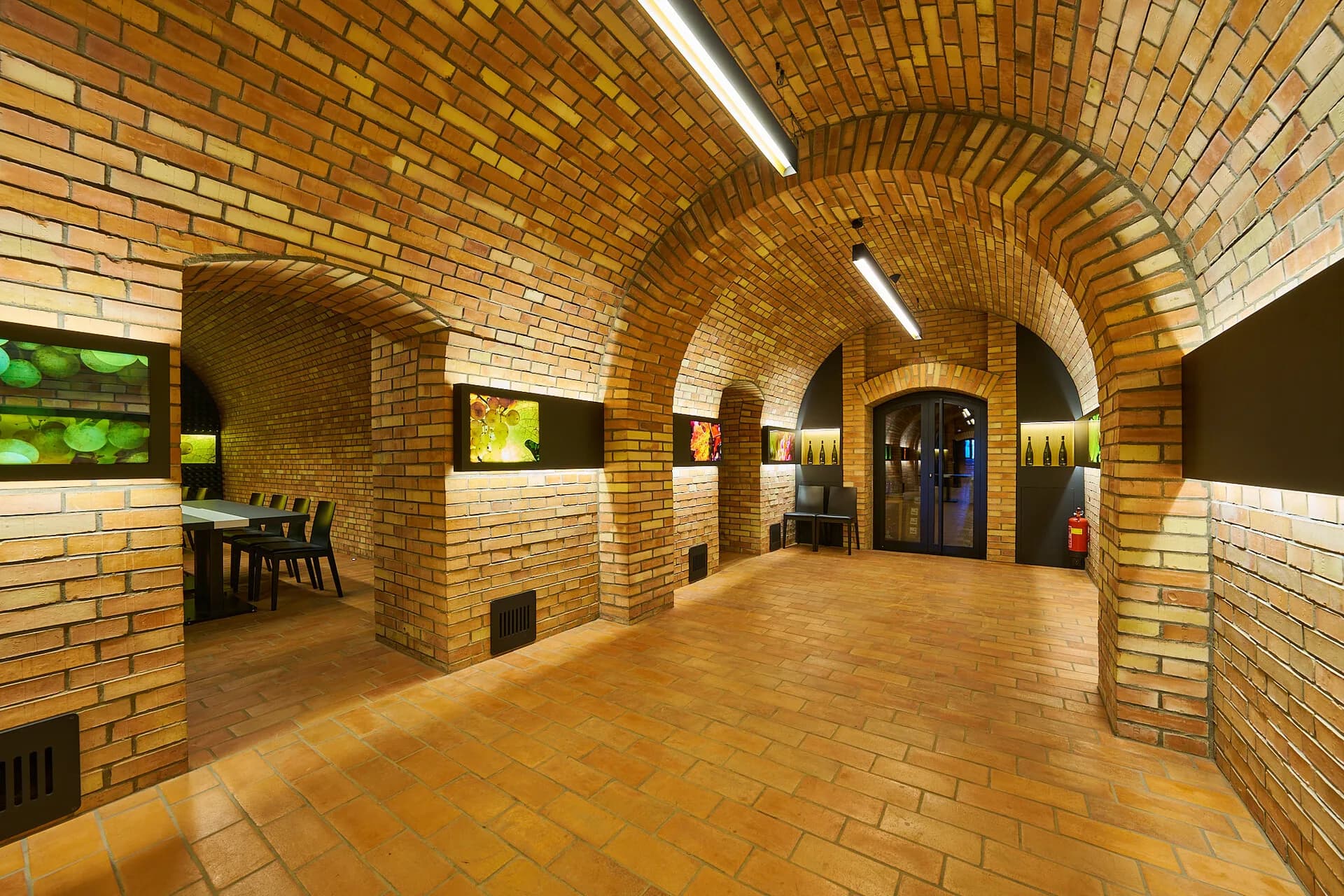
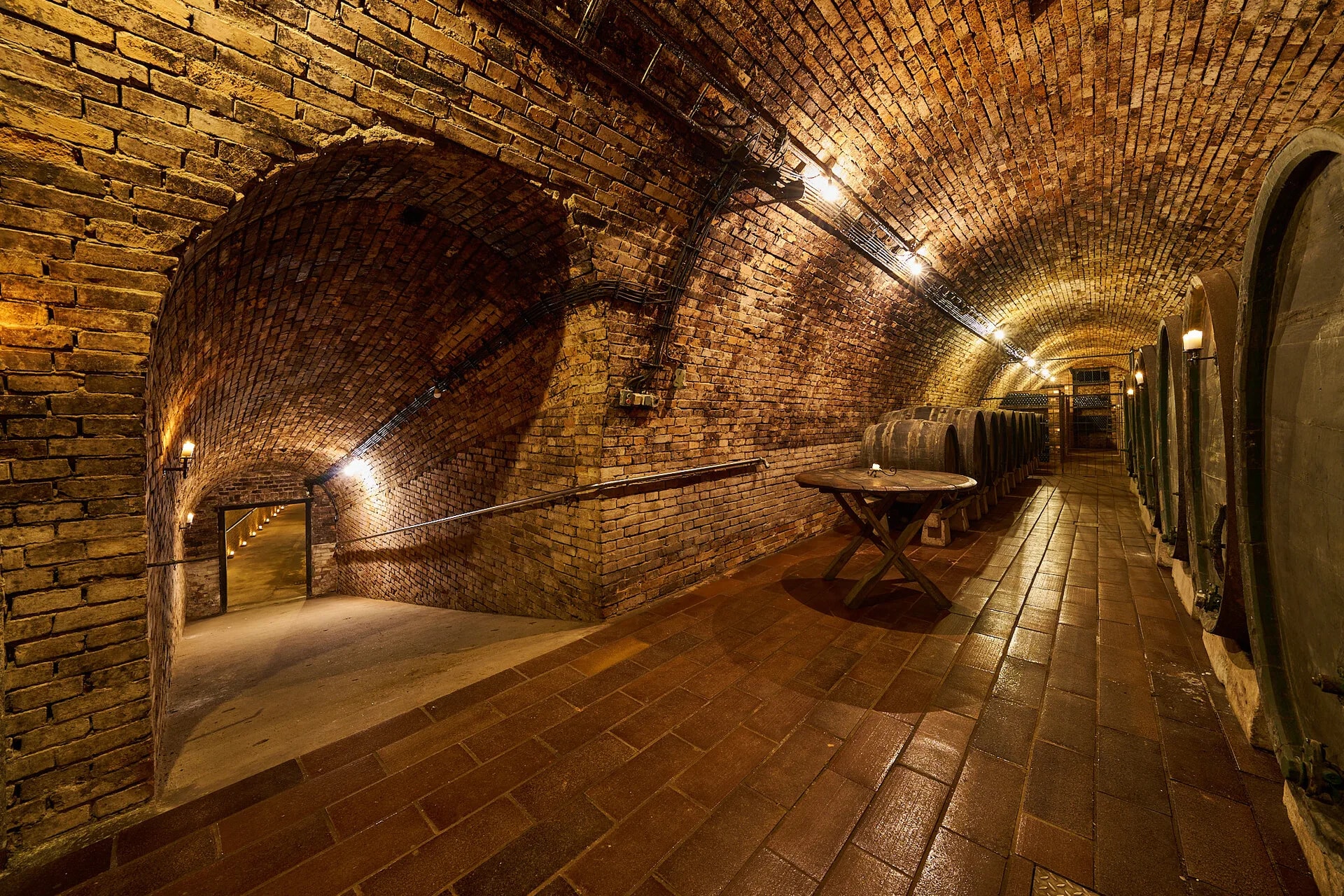
Begin beneath the brick vaults of Velké Bílovice. The old Haban cellar was built in 1614 and still serves its original purpose, giving Habánské sklepy a home where wine and history share the same space. Imagine arriving for a tasting, looking along the arches, then turning your attention to the glass. Four centuries become something you can spend an afternoon exploring.
For someone discovering Czech wine across an Asia-Pacific table, the house offers a welcoming place to begin. Its whites bring flowers and fresh fruit; its reds bring berries and spice. Each has a Moravian name worth getting to know. Together, they invite a journey that can start with a bottle at dinner and lead, one day, to the cellar itself.

The Habans came to southern Moravia at the invitation of Linhart of Liechtenstein. They called themselves Hutterite brethren, after Jakob Hutter; their neighbours knew them as Habáni. In 1545 they built a compound in Bílovice for a community of 300 to 450 members. Their reputation spread across Moravia through their work as craftsmen and winemakers, skills that gave lasting shape to the place they had made their home.
Wine already belonged to the life of the village. Vineyard rights were documented in 1550, and by the turn of the seventeenth century Velké Bílovice had more than 600 hectares of vineyards. Those details give the old cellar a wider setting: a community of growers, land tended for grapes, and the need for places where the wine could be kept. Picture the vaults as part of that working landscape, built for a purpose that remains familiar every time a bottle is opened.

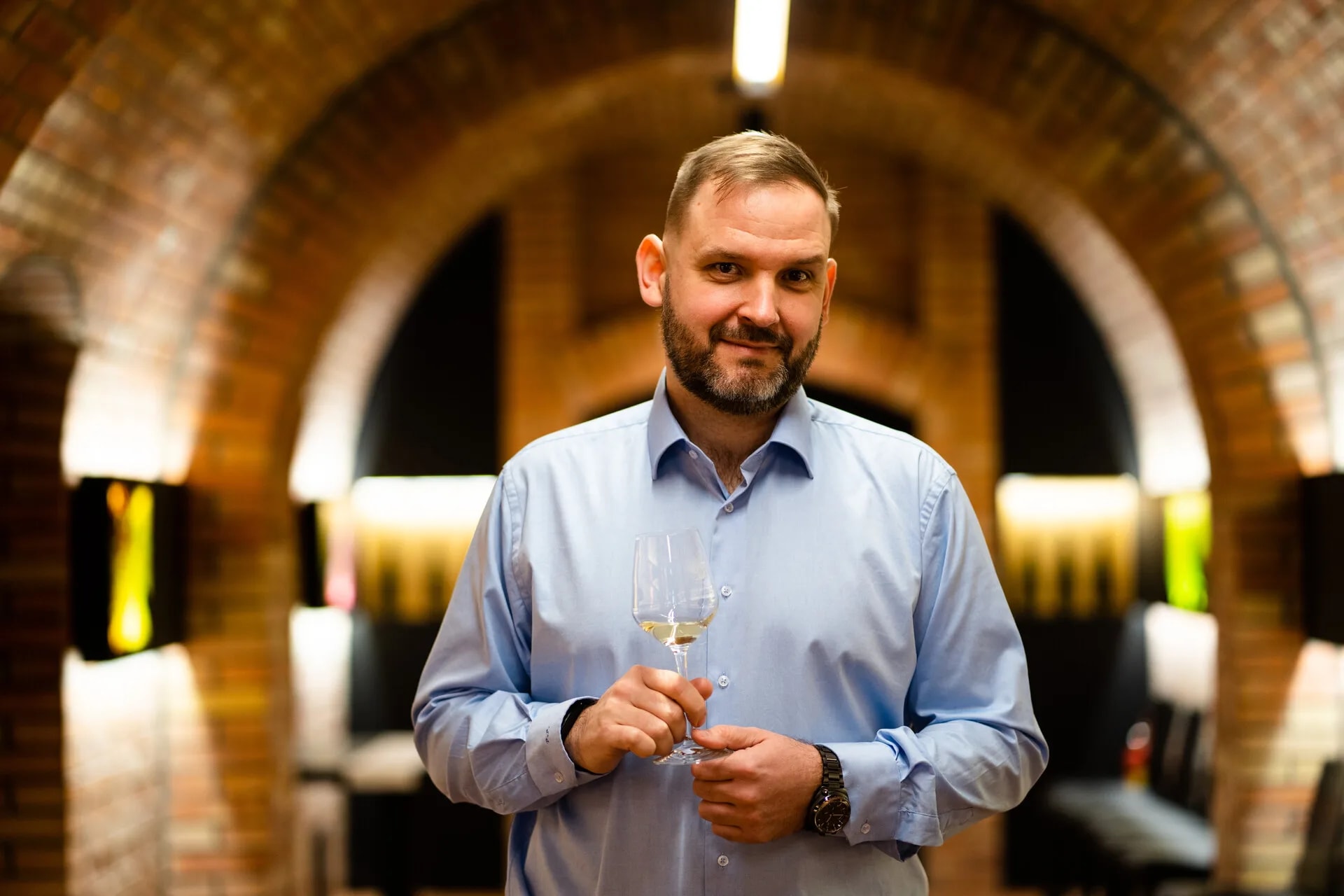
Today Habánské sklepy is part of the Bohemia Sekt Group. Petr Ptáček, director of the house, hosts tastings of archive wines in the cellar. The archive holds 12,500 bottles, with a Tramín červený from 1981 as its oldest wine. Here, the passage of time has a tangible form: bottles kept, opened and explored in the place that gives them their history.
The cellars welcome visitors for tastings and tours. Make room in a journey through Moravia for that encounter, and bring a question you would enjoy asking over a glass. An archive tasting invites you to pay attention to a wine's age and to your own response. The pleasure lies in that meeting: a bottle with years behind it, and a conversation happening now.

Start with Ryzlink rýnský, Riesling under its Moravian name. Linden blossom leads a fragrance of dried apricot, peach and gooseberry, while a fresh, fuller palate gives the wine presence. Ryzlink vlašský is Welschriesling, a lighter companion in the collection, with citrus, green apple and white peach. Pour Ryzlink rýnský and Ryzlink vlašský side by side and let their different perfumes introduce the grapes.
Tramín červený brings Gewürztraminer into the conversation. Rose petals and spice open onto a full, balanced palate with hints of honey and raisins. The semi-dry style gives it a little sweetness. It is a bottle to choose for someone who delights in fragrance, perhaps as the aroma of poultry cooking with spices begins to reach the table.
For a red, turn to Frankovka, Moravia's name for Blaufränkisch. Wild berries and blackberries meet a delicate sweet-paprika flavour, with a long, fruity finish. Zweigeltrebe offers another direction: sour cherry, berries and stone fruit, carried by well-integrated tannins into a smooth finish. Place a red beside roast meat or game and the unfamiliar name on the label can quickly become part of an evening you want to repeat.
Every bottle bears DURAT ET LUCET: 'it endures and it shines'. After meeting the place and its wines, those words offer a lovely thought to carry home. Set the bottle on the table, choose someone to share it with, and let the first pour turn curiosity into a conversation. There is room for an old cellar in a new memory.
Perhaps your first choice will be a white for a quiet supper, or a red for a table that grows livelier as friends arrive. Follow the grape that appeals to you, then return to try another. The next chapter of Habánské sklepy can begin wherever you gather, with a Moravian name on the bottle and an evening ahead.
A generous glass, plenty of ice and a fresh garnish: discover a playful Czech sparkling wine made for terraces, shared moments and a more relaxed kind of celebration.

From an aperitif poured by the glass to a traditional-method cuvée served with dinner or an over-ice drink on a hotel terrace, Bohemia Sekt offers several ways to introduce Czech sparkling wine.

Czech heritage, Moravian grapes and refined traditional-method cuvées: discover a sparkling wine house with a distinctive personality and a lively spirit of celebration.


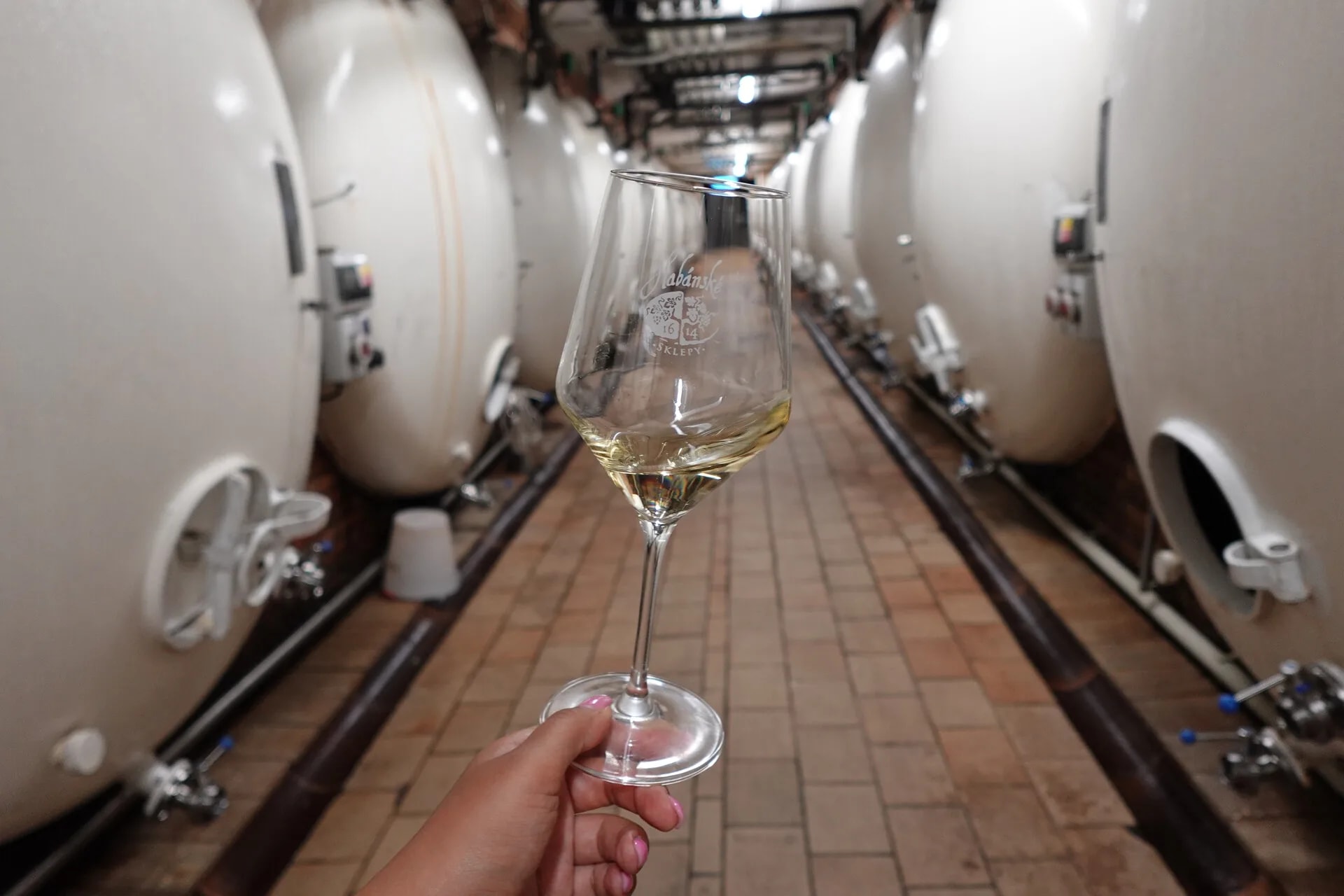
A semi-dry Moravian Gewürztraminer with rose petals and fragrant spice, a full palate and hints of honey and raisins.

100% Italian Riesling (Welschriesling)
A dry Moravian Welschriesling with citrus, green apple and white peach, leading to a clean, crisp finish of fruit and mineral notes.

A dry Moravian Riesling with dried apricot, peach, gooseberry and linden blossom, bringing a fuller palate and crisp freshness.

A dry Moravian Zweigeltrebe with berries, sour cherry and stone fruit, a soft texture and a smooth finish.