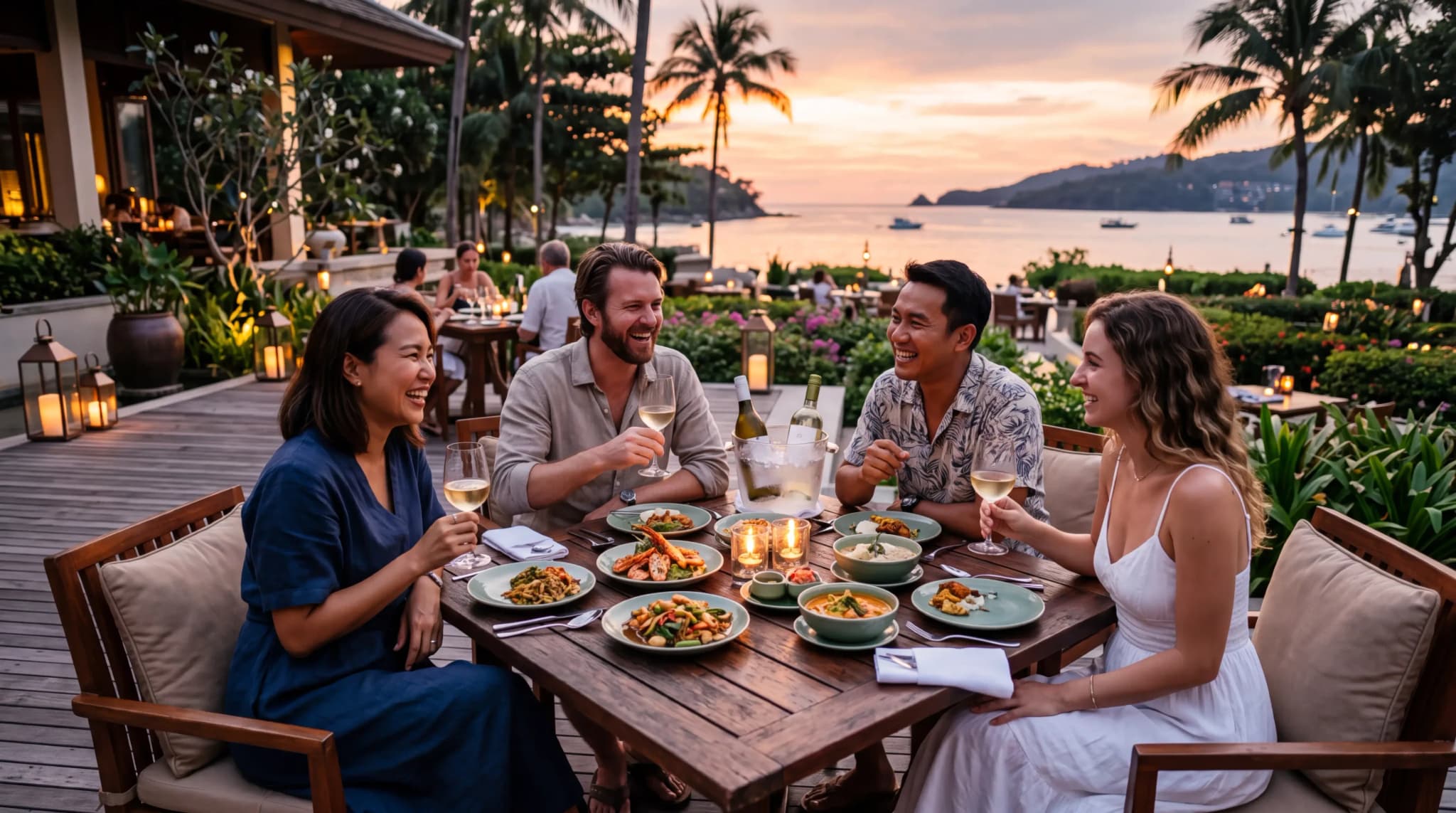
Friends enjoying a casual wine tasting in a warm climate restaurant, illustrating social wine moments in tropical conditions.
Learn About Wine

Enjoying Wine in Tropical Conditions: How to Preserve Freshness and Flavor

Wine behaves differently in tropical regions. Heat accelerates oxidation, humidity complicates storage, and a glass can warm noticeably within minutes. In places where temperatures often exceed 30 °C (86 °F), the serving traditions developed in cooler climates require thoughtful adaptation. With the right approach, wine can remain bright, balanced, and expressive even in the warmest environments.

This guide explores how tropical conditions influence wine and offers practical, refined methods to preserve freshness, structure, and aromatic clarity throughout the drinking experience.

Understanding Heat, Humidity, and Thermal Shock

Temperature is one of the most influential external factors affecting wine quality. In hot climates, aromas volatilize quickly, acidity softens, and alcohol becomes more prominent. Whites and rosés may lose definition, while reds can feel heavier and less structured.

  • Heat Exposure: Consistent storage above 25 °C (77 °F) accelerates aging and can lead to muted fruit and stewed aromatics.
  • Ambient Humidity: Although humidity is beneficial in controlled cellars, tropical humidity creates rapid condensation on glassware, which transfers heat and quickly warms the wine.
  • Thermal Shock: Moving a bottle from a cool wine refrigerator into intense outdoor heat can cause rapid temperature expansion, which older or delicate wines are particularly sensitive to.

Storing Wine Correctly in Tropical Countries

Protecting wine begins with stable temperature and an environment that minimizes light, heat, and vibration. In tropical climates, room temperature is too warm for long-term preservation, making controlled storage especially valuable.

For Collectors

A dedicated wine refrigerator provides the consistent conditions required for aging. It protects against temperature fluctuations and prevents label deterioration caused by ambient humidity.

  • Ideal Storage Temperature: 12-14 °C (53-57 °F)
  • Ideal Humidity: around 60-70%
  • Store wine away from sunlight and sources of vibration

For Casual Drinkers

In the absence of a wine refrigerator, the kitchen refrigerator is the safest short-term solution. While colder and drier than ideal for aging, it preserves freshness far more effectively than warm ambient conditions.

Serving Wine at the Right Temperature

Serving temperature has an immediate influence on aroma, texture, and balance. In tropical climates, wine warms quickly once poured, so beginning slightly cooler helps maintain its character throughout the glass.

  • White wines: Serve directly from the refrigerator at 4-7 °C (40-45 °F). They reach an ideal temperature within minutes.
  • Red wines: Chill for about 30 minutes before serving to reach 16-18 °C (60-64 °F). This preserves lift and prevents warm, alcoholic impressions.
  • Sparkling wines: Serve well chilled around 4 °C (40 °F) to maintain structure and preserve fine bubbles.

The goal in tropical settings is not rigid adherence to charts but a focus on freshness, balance, and the natural expression of the wine.

Managing Condensation and Glassware

High humidity ensures that glasses develop condensation almost immediately. This subtle heat transfer warms the wine faster than in dry climates.

  • Use stemmed glasses: They minimize hand contact with the bowl and help maintain temperature.
  • Pour smaller servings: A 3-ounce pour stays cooler and more defined than a full glass in warm conditions.
  • Pre-chill glassware: A brief chill in the refrigerator helps keep wine refreshing for longer.
Maintaining a stable serving temperature is essential in warm climates. Ice buckets filled with a water and ice mixture provide even, gentle cooling, while insulated sleeves offer a practical solution for outdoor or casual settings. Keeping bottles shaded between pours helps preserve freshness and balance, especially for delicate or aged wines.

Keeping Wine Cool at the Table

Consistency of temperature is key to enjoying wine in warm climates. Traditional ice buckets remain highly effective, especially when filled with a water-ice mixture for even cooling. Insulated bottle sleeves provide a convenient option for home or outdoor dining.

When drinking outside, keep bottles shaded or indoors between pours to prevent unnecessary warming, particularly for delicate or aged wines.

Wine Styles That Perform Beautifully in the Heat

Certain wines naturally excel in tropical environments thanks to their acidity, aromatic clarity, and moderate alcohol. These styles retain energy and balance even as temperatures rise.

  • Crisp Whites: Sauvignon Blanc, Albariño, Vermentino, Grüner Veltliner
  • Rosé: Dry, pale rosés offer versatility and maintain freshness with seafood and aromatic dishes.
  • Chilled Reds: Gamay, Pinot Noir, Frappato, and other low-tannin reds show beautifully when served slightly chilled.
  • Pét-Nats and Sparkling Wines: Naturally sparkling wines and low dosage styles retain lift and refreshment in warm conditions.
  • Skin Contact Whites: These white wines spend time on their grape skins during fermentation, creating gentle tannin, texture, and savory complexity. In their more expressive forms, they are often known as orange wines, and their structure makes them excellent companions to aromatic and spice-driven dishes in tropical climates.

When to Choose Fuller Wines

Richer, high-alcohol wines can feel weighty in the heat. They reveal their structure more clearly during cooler evenings or in air-conditioned dining rooms.

Pairing Wine with Tropical Cuisine

Tropical cuisine often highlights spice, acidity, aromatics, or coconut richness. When matched thoughtfully, wine can enhance these elements and create harmony at the table.

  • With spicy dishes: Lower alcohol wines soften heat. Off-dry styles such as Riesling or Moscato d'Asti offer balance and lift.
  • With lime or tamarind: High acidity wines complement sharp, bright flavors.
  • With coconut-based dishes: Wines with freshness and gentle texture, such as Vermentino or Chenin Blanc, pair naturally.
  • Rosé as a versatile option: Dry rosé adapts effortlessly to seafood, spice, and aromatic herbs.

The Ultimate Guide to Pairing Wine with Spicy Food and Asian Cuisine

Master the principles of wine and spice pairing. Understand how heat shapes wine and explore pairing strategies for Chinese, Thai, Korean, Indian, and Southeast Asian cuisines.
Read the Full Article

Cooling Techniques and Ice Usage

Keeping wine cool in the tropics sometimes calls for practical solutions. While adding ice is traditionally avoided, certain methods help maintain temperature without compromising quality.

  • Piscine style: A Mediterranean tradition where rosé or sparkling wine is served over ice for maximum refreshment. Best suited for casual outdoor settings.
  • Frozen grapes: A gentle way to cool wine without dilution. They preserve both flavor and texture.
  • Stainless steel chilling cubes: These reusable cubes cool wine quickly without dilution and are useful in warm outdoor settings. Their weight and direct contact with the glass can occasionally feel intrusive, and the rapid cooling may slightly mute delicate aromas. They are practical for casual occasions, while traditional methods remain preferable for nuanced or age-worthy wines.

Bringing a Tropical Sensibility to Wine

Enjoying wine in tropical climates is less about changing traditions and more about thoughtful adaptation. With proper storage, careful temperature management, and a selection of styles suited to warm environments, each bottle can remain expressive from the first sip to the last.

Wine is ultimately an experience of pleasure, balance, and connection. With these considerations in mind, it can be enjoyed confidently and gracefully in any tropical setting.

Previous
Wine Education in China: Certifications, Regional Programs, and Professional Pathways
Next
Exploring the Language of Wine: A Complete Guide to the Wine Flavor Wheel

Leave a Comment

Your email address will not be published.

From Theory to Taste: Explore These Wines

92
Vinous
92
IWC
Luigi Bosca De Sangre Malbec Valle De Uco

Luigi Bosca De Sangre Malbec Valle De Uco

Grape Varieties
100% Malbec
Alcohol
750ml
|
14.5% vol.
A bold yet graceful Malbec, born from the heights and purity of the Uco Valley.
95
Descorchados
94
Vinous
92
Tim Atkin
Limited Edition
Luigi Bosca De Sangre Malbec Paraje Altamira

Luigi Bosca De Sangre Malbec Paraje Altamira

Grape Varieties
100% Malbec
Alcohol
750ml
|
14.5% vol.
From Altamira’s chalky soils, a vibrant Malbec with red fruit, floral notes, and pure minerality.
92
James Suckling
93
Vinous
92
Tim Atkin
93
Descorchados
92
IWC
92
DWWA
Luigi Bosca De Sangre Cabernet Sauvignon

Luigi Bosca De Sangre Cabernet Sauvignon

Alcohol
750ml
|
13.8% vol.
Elegant and structured, with dark fruit, peppery notes, and a long, subtly spicy aftertaste.
Vineyard of the Year 2025
The World's 50 Best
92
James Suckling
93
Vinous
Luigi Bosca De Sangre Cabernet Franc

Luigi Bosca De Sangre Cabernet Franc

Grape Varieties
100% Cabernet Franc
Alcohol
750ml
|
14.0% vol.
Fresh fruit, licorice, and spice meet soft tannins and a long, gracefully structured finish.
91
Wine Enthusiast
91
Tim Atkin
91
James Suckling
Luigi Bosca Cabernet Sauvignon

Luigi Bosca Cabernet Sauvignon

Alcohol
750ml
|
14.4% vol.
A benchmark continental Cabernet Sauvignon born in the Andes’ sunlit foothills.

Learn About Wine

Become a Wine Expert

A couple selecting wine bottles in a wine shop, comparing labels and styles

What Creates Value in Wine

Wine value is not defined by price or prestige. This guide explains the natural, human, and commercial factors that shape quality, cost, and perception in wine.
Customer examining a bottle of red wine with guidance from a wine shop salesperson.

How to Buy Wine: A Practical Guide to Getting the Bottle You Really Want

A practical guide to choosing wine with confidence. Learn how to express your taste, food pairing needs, and budget so your wine expert can help you find the perfect bottle.
Woman walking among vineyard rows in Thailand, where tropical climate and adaptive viticulture shape wine production.

Thailand Wine Regions and Wine Map

Thailand has emerged as one of the most technically innovative wine-producing countries. This guide explores its wine regions, climate adaptations, and distinctive tropical wine styles.