
How to Taste Wine and Train Your Palate
Explore the art of wine tasting and learn how to observe, smell, and taste like a professional. Understand how each sense reveals the balance, structure, and quality of a wine.
Asia's home for great wine
A complete guide to choosing the right wine gift. Discover how to match wine to the person, the occasion, and the message you want your gesture to express.
Wine is one of the most appreciated gifts you can offer. It feels personal, thoughtful, and suited to almost any moment. Whether you are invited to dinner, attending a wedding, or choosing a professional gift, a bottle of wine carries a sense of celebration and care.
The difficulty comes when you need to choose a wine for someone else. Taste varies widely, labels can be confusing, and the “best” bottle is not always the right one for the occasion. A thoughtful choice is less about prestige and more about understanding the person, the moment, and the style of wine that will bring them joy.
This guide helps you navigate these choices with confidence. It provides simple ways to match wine to the occasion, the recipient, and the message you want your gift to convey.
If you only have a few minutes, keep these ideas in mind:
If you have more time, the sections below help you refine your choice and turn a simple bottle into a meaningful gift.
Before selecting a bottle, consider three simple elements. This small framework brings clarity and makes your choice feel intentional rather than overwhelming.
Consider what they enjoy and how they approach wine. Ask yourself:
A bottle chosen with the recipient’s habits in mind always feels more meaningful.
Different moments call for different styles. For example:
Matching the wine to the moment ensures your gesture feels thoughtful and respectful.
Think about what you want the wine to represent. It might be:
This intention guides you to the right style and helps narrow the options quickly.
A memorable wine gift does not need to be expensive. What matters most is choosing a bottle that suits the person and the occasion. A well-chosen wine at a reasonable price is often more appreciated than a costly bottle that feels mismatched. Let your budget define the range, and your thoughtfulness define the choice.
When visiting someone, the most appreciated wine is the one that feels personal. If you know what your host enjoys, choose a bottle that matches their usual preferences. A crisp Sauvignon Blanc, a fresh Chablis, or a smooth, medium-bodied red often brings more pleasure than a prestigious wine that does not fit their taste. This simple choice shows attention and care.
If you know the menu, let the food guide your decision. Lighter dishes, seafood, and salads pair naturally with bright, refreshing whites that bring energy to the table. Creamier dishes or roasted poultry work well with whites that offer more texture, such as a well-rounded Chardonnay or Chenin Blanc. For richer plates and red meat, look for a red wine with structure. Cabernet Sauvignon, Malbec from Argentina, Syrah or Rhône style blends, and Tempranillo from Rioja all offer the depth needed to match bold flavours.
When you are unsure of the meal, sparkling wine remains one of the safest choices. It pairs well with many dishes, sets a festive tone, and can be enjoyed from the start of the evening.

Wines chosen for life milestones often become part of the memory of the event. They can reflect a date, age with meaning, or create a moment of celebration long after the day itself.
Champagne is the classic wedding gift because it symbolises celebration and new beginnings. A vintage Champagne adds a personal touch, especially when the year carries meaning for the couple. It might be the year they met, a wine that will reach its peak for a future anniversary, or a mature bottle for their honeymoon. Couples who enjoy red wine may appreciate an age-worthy bottle such as Barolo, Brunello, Bordeaux, or Burgundy.
For the birth of a child, a wine from the year of birth is a meaningful and emotional gesture. Choose a bottle that can age for many years so it can be opened for a significant moment later in life. Structured Bordeaux, vintage Port, Brunello, Rioja Gran Reserva, and high-quality Cabernet or Syrah are all suitable choices with strong ageing potential.
Graduation gifts offer more freedom. You can choose a bottle ready to enjoy immediately or one that will evolve beautifully in the next five to ten years. Some people select a wine from the year the student began their studies, creating a symbolic link. Others prefer a wine that will be perfect for celebrating the graduate’s next chapter in life.
In a professional context, wine communicates respect and appreciation. The key is to match the bottle to the nature of the relationship.
For important clients or partners, choose a wine with a strong reputation and a sense of polish. Champagne, Bordeaux, Burgundy, Barolo, Brunello, and premium New World reds are reliable choices that communicate quality. If the recipient is knowledgeable about wine, consider offering one of the best wines from your country or region. Many wine lovers enjoy discovering outstanding bottles from places they do not yet know.
For colleagues, a generous but approachable wine works best. Balanced red blends, fresh Italian whites, and dry rosés suit many situations and do not require deep knowledge to enjoy. The goal is to offer something pleasant and easy to appreciate in different contexts.
The most meaningful wine gifts reflect the personality of the recipient. Traditional drinkers often feel happiest with classics such as Bordeaux, Burgundy, Rioja, Chianti or Champagne. More adventurous drinkers enjoy discovering wines from Greece, Austria, Lebanon, South Africa or lesser-known regions of France and Italy.
People who appreciate design may enjoy a bottle with a minimalist label or elegant shape, while collectors look for wines with ageing potential and a clear sense of origin. Thinking about the recipient’s style helps you move from a general idea to a precise and personal choice.

A wine gift carries a message beyond the liquid in the bottle. It reflects your relationship with the recipient and the intent behind your gesture. While there are no strict rules, certain choices naturally communicate specific feelings.
Choosing a wine that matches the recipient’s taste shows that you pay attention to what they enjoy. A bottle selected for them rather than for the occasion always feels more personal.
Sparkling wines and Champagnes naturally express celebration. They are an invitation to mark a moment together, whether now or in the future.
Well-made classic wines such as Bordeaux, Burgundy, or Barolo often convey respect. They show that you value the person and choose something with elegance and presence.
Offering a bottle you genuinely love creates a bridge between your taste and theirs. It invites conversation and strengthens the connection between you.
A wine from a lesser-known region or grape variety expresses openness and creativity. It says that you thought they might enjoy something new or unexpected.
A wine linked to a meaningful date, such as a birth year or milestone year, carries symbolic weight. It turns the bottle into a keepsake that becomes part of their story.
What matters most is the intention behind the choice. A well-chosen wine, whether modest or premium, communicates generosity when it suits the person and the moment.
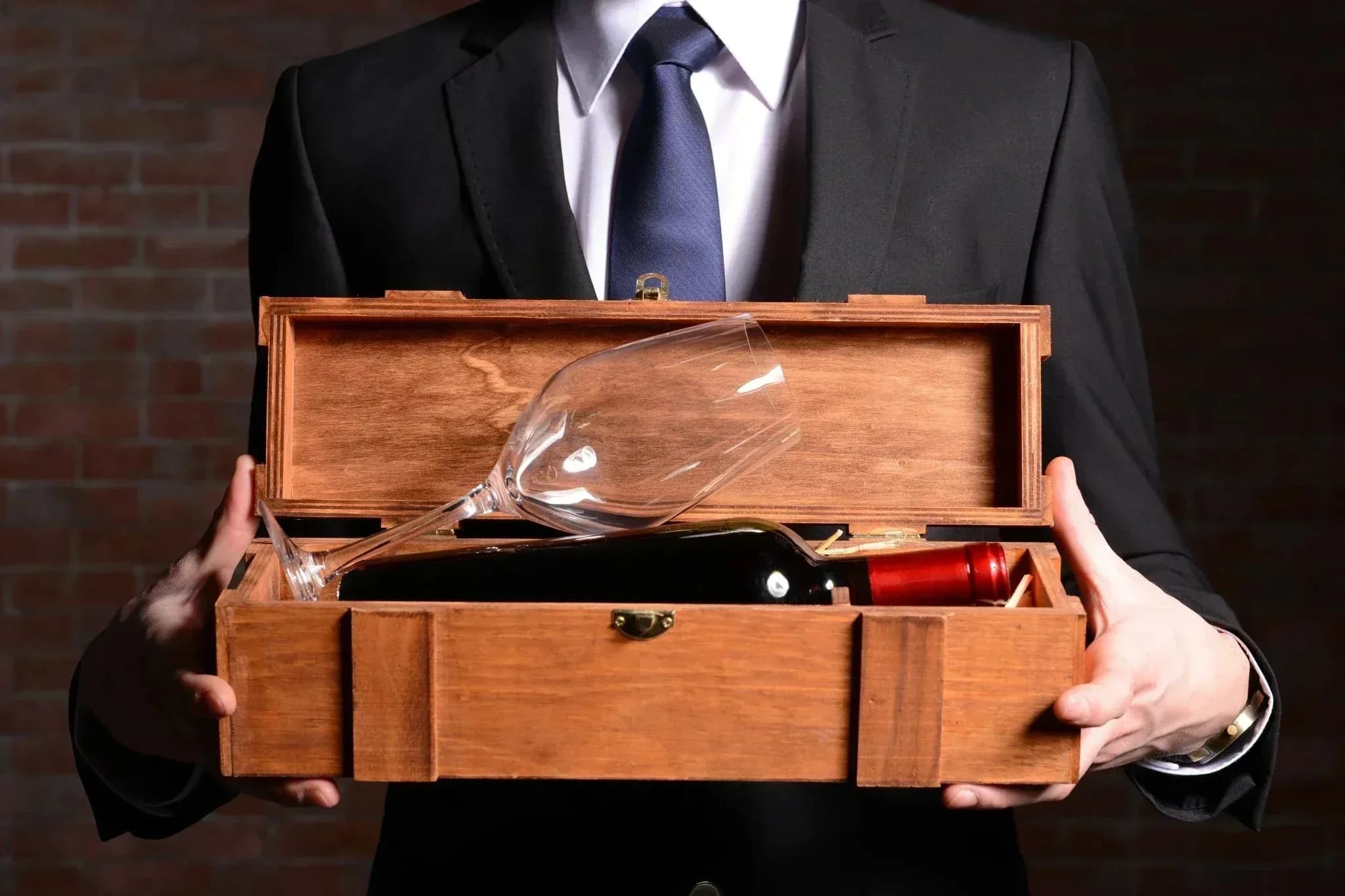
A thoughtful presentation enhances the experience of giving wine. A wooden box, a stylish gift bag, or simple wrapping makes the bottle feel special. Adding a handwritten note creates an emotional connection. A few words about why you chose the wine or when it might be opened can transform the gift into a lasting memory.
Choosing wine for someone else is not only about selecting a bottle. It is about offering an experience that fits the person, the occasion, and the memory you want to create. With a bit of attention and intention, wine becomes more than a present. It becomes a moment waiting to be shared and a story that begins before the cork is even opened.
Explore the art of wine tasting and learn how to observe, smell, and taste like a professional. Understand how each sense reveals the balance, structure, and quality of a wine.

New Latitude Wines are crafted outside the 30-50° wine belt. Discover how winemakers adapt to tropical heat and northern cold to create distinctive wines in emerging regions.

Master the essentials of wine cellaring: temperature, humidity, inventory, and selection to protect your wines and enjoy them at their perfect peak.