
How to Taste Wine and Train Your Palate
Explore the art of wine tasting and learn how to observe, smell, and taste like a professional. Understand how each sense reveals the balance, structure, and quality of a wine.
Asia's home for great wine
A clear, beginner-friendly guide to reading wine labels. Learn how regions, grape varieties, classifications, and vintages shape what is inside each bottle.
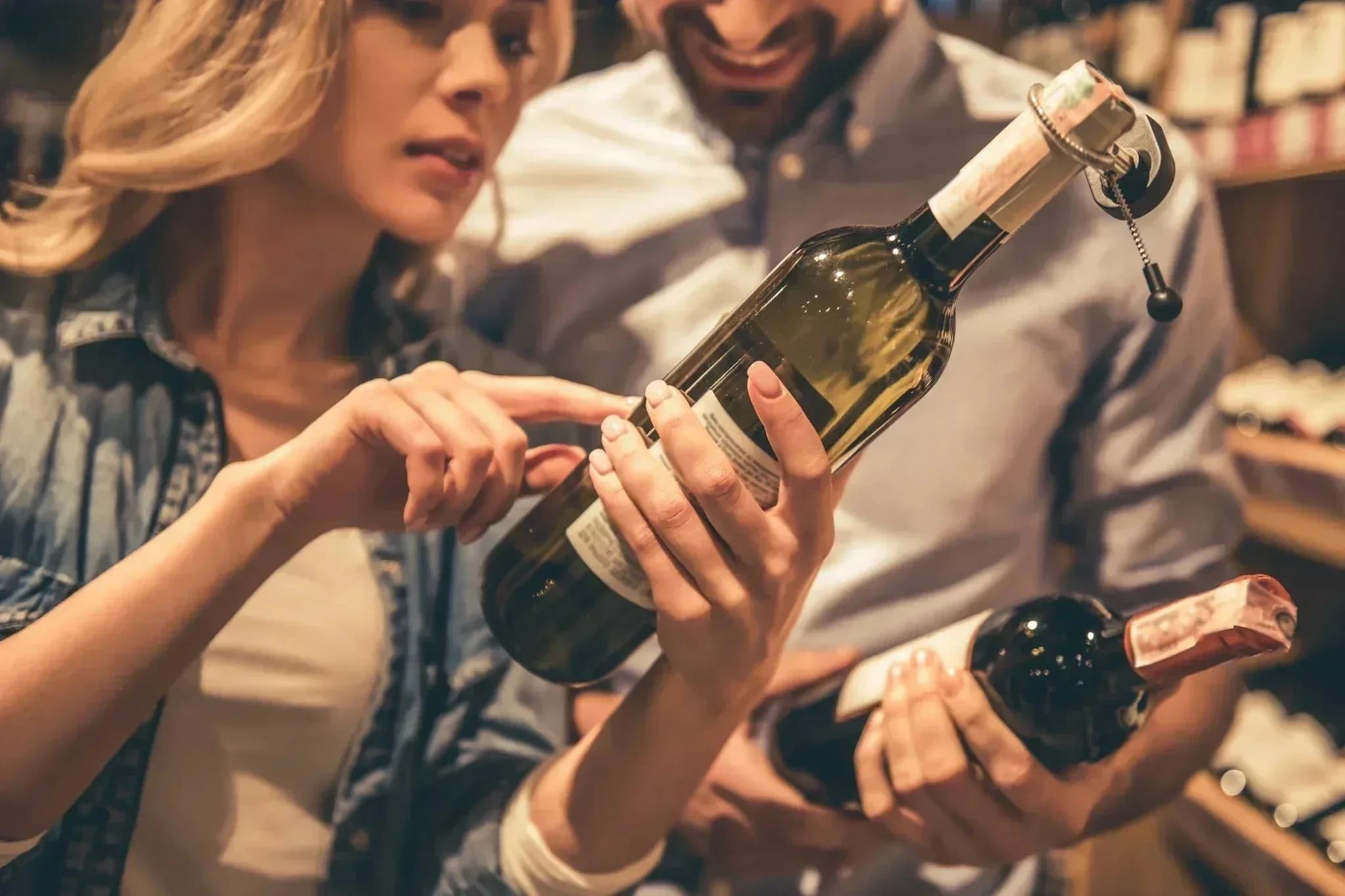
Walking into a wine shop can feel overwhelming if you are not sure how to interpret what is written on a bottle. What grape is inside? Who made it? Where is it from? And most importantly, will you enjoy it?
This guide breaks down the essential elements of wine labels and shows how Old World and New World bottles communicate information differently. With these basics, choosing your next wine becomes clearer and more confident.
There is no universal standard for wine labels. Each country has developed its own conventions.
New World producers, such as those in the United States, Australia, Chile, or South Africa, usually feature the grape variety clearly on the front label. Old World producers in Europe often highlight the region instead, expecting consumers to know which grapes are traditionally grown there.
Even though formats vary, some elements appear on almost every label. To make things clearer, here are three real examples that illustrate how labels communicate key information.
This Italian red shows how Old World labels often combine region and grape in one name. Modà is a fantasy name created by Talamonti, but the official designation Montepulciano d’Abruzzo tells you both the grape variety and the region. It highlights how European wine identity is closely tied to place.

This California wine illustrates the clarity of New World labelling. The grape variety Cabernet Sauvignon appears prominently on the front, along with the vintage and the Livermore Valley appellation. It shows how New World producers make it easy to understand grape type and origin at first glance.

This classic Rhône wine demonstrates the Old World focus on region. Châteauneuf-du-Pape identifies the appellation and its strict production rules, while the estate name highlights the vineyard’s heritage and historic status within the region.

The name on the label is often the most noticeable element. It may refer to the producer, the estate, or a specific brand line.
In our examples:
Recognising the name helps you understand the wine’s identity and origin.
Old World and New World labels communicate the type of wine differently.
Most New World labels display the grape variety directly. Wente clearly labels its wine as Cabernet Sauvignon.
Old World labels tend to emphasise the region. Consumers are expected to know the typical grapes used in that area.
This regional approach reflects long traditions and controlled designations.
The region tells you where the grapes were grown and influences the wine’s character.
Labels often list appellations such as Napa Valley, Adelaide Hills, or Livermore Valley.
If a New World wine lists an appellation, a large majority of the grapes typically come from that defined area, depending on local regulations.
In Europe, the region is central to the identity of the wine. Appellations come with strict rules governing:
Both Montepulciano d’Abruzzo and Châteauneuf-du-Pape are controlled appellations that ensure wines follow regional standards.
Some Old World regions have additional quality rankings that appear on labels. These can be confusing, so here is a clear explanation.
The 1855 Classification ranks historic estates into tiers called crus. First Growth estates, like Château Lafite Rothschild, represent the highest level. Other categories include Grand Cru Classé and Cru Bourgeois, which highlight estates known for consistent quality.
Burgundy classifies vineyards rather than estates. Grand Cru sites represent the top tier and include famous names such as Montrachet or Chambertin. Premier Cru vineyards form the second tier, followed by Village level wines and then Regional wines.
A label marked Grand Cru indicates exceptional terroir and strict production criteria.
This region does not use a cru ranking system. All producers follow the same AOC rules, so classification does not appear on these labels.
Other countries have informal quality tiers, but they are not always shown on the bottle. For most consumers, understanding the region and producer offers more practical guidance than memorising classifications.
The vintage year indicates when the grapes were harvested. It is usually displayed on the front label.
Some wines, such as non-vintage Champagne or certain fortified wines, blend multiple years. These bottles may show a bottling year instead of a vintage.
Alcohol content appears on every wine label because it is required by law and offers useful clues about style. It is listed as a percentage of total volume, usually on the back label or along the edge of the front label.
Most wines range between 9 and 16 percent, depending on climate and grape ripeness. Wines with higher alcohol tend to feel fuller and richer, while lower alcohol usually indicates a lighter, fresher profile. In our examples, the wines sit around 13 to 13.5 percent, which is typical for these grape varieties and regions.
A wine label is not meant to test your knowledge. It is a map. Once you understand its key elements, it becomes much easier to anticipate what is inside the bottle.
Start with the region or grape to understand the general style. Look at the producer name to gauge reliability and intent. Check the vintage for context, especially in regions where climate variation matters. Finally, use alcohol level and classification as supporting clues rather than deciding factors.
Old World labels reward familiarity with place and tradition, while New World labels prioritise clarity and accessibility. Neither approach is better. They simply reflect different ways of communicating wine identity.
With practice, labels stop feeling cryptic. They become a quiet conversation between the producer and the drinker, offering just enough information to guide your choice. The more bottles you read and taste, the more intuitive that conversation becomes.
Choosing wine is not about memorising rules. It is about recognising patterns, trusting your preferences, and letting the label help you make informed, confident decisions.
Explore the art of wine tasting and learn how to observe, smell, and taste like a professional. Understand how each sense reveals the balance, structure, and quality of a wine.

New Latitude Wines are crafted outside the 30-50° wine belt. Discover how winemakers adapt to tropical heat and northern cold to create distinctive wines in emerging regions.

Master the essentials of wine cellaring: temperature, humidity, inventory, and selection to protect your wines and enjoy them at their perfect peak.