Alsace Grand Prix du Jury winners receiving their awards at the Strasbourg 2026 wine competitions
The World White Wines Contest
Wine Market News & Insights

Strasbourg 2026 Wine Competitions: Winners, Trends, and Global Signals

Strasbourg once again confirmed its role as an international hub for wine excellence with the 2026 edition of its wine competitions. Held on March 14 and 15, the 28th edition of the Mondial des Vins Blancs Strasbourg was joined for the first time by the European Red & Rosé Wine Contest, creating a complementary platform that reflects both the depth of wine tradition and the fast-changing expectations of today’s markets.

Bringing together producers from 15 countries and evaluated by a panel of 60 international judges representing 26 nationalities, the two competitions confirmed their dual role: rewarding excellence while acting as an observatory of wine trends. For the 2026 edition, Strasbourg Events positioned these contests not only as medal competitions but as a platform for visibility, recognition, and dialogue across the wine industry.

International judges in action during blind tastings at the 2026 Strasbourg wine competitions. © Bartosch Salmanski

A Dual Competition with One Clear Ambition

The 2026 edition marked a new chapter for Strasbourg. On one side, the Mondial des Vins Blancs Strasbourg continued to reinforce its status as a premier international competition dedicated to white wine diversity. On the other hand, the inaugural European Red & Rosé Wine Contest brought reds and rosés into the spotlight through a format designed to reflect evolving consumption patterns, including the rise of lighter reds, more gastronomic rosés, and alternative wine styles.

This new pairing makes strategic sense. White wines remain central to many export markets, while alternative styles are gaining ground among both professionals and consumers. Strasbourg’s 2026 format captured that broader movement with technical rigor, supported by the patronage of the OIV and, for the first time, the International Union of Oenologists (UIOE).

Key Figures

  • 487 wines evaluated at the Mondial des Vins Blancs Strasbourg
  • 59 wines evaluated at the European Red & Rosé Wine Contest
  • 146 medals and 18 special prizes awarded in the white wine competition
  • 18 medals awarded in the red and rosé competition
  • 15 participating countries and 60 judges from 26 nationalities

These figures matter because they reinforce the seriousness and selectivity of the Strasbourg competitions. They also demonstrate the event's growing ability to combine scale, rigor, and market relevance in a format that speaks to both producers and the trade.

2026 Top Honors at a Glance

Award Wine Producer Country
Grand Prix du Jury (White) AOC Alsace Gewürztraminer Grand Cru Hengst 2024 (94.8 pts) Domaine Pierre Adam France
Grand Prix du Jury (White) AOC Alsace Pinot Gris Grand Cru Steinert 2024 (94.8 pts) Domaine Henri Martischang France
Grand Prix du Jury (Rosé) AOC Champagne Comtes de Champagne Rosé 2013 (91.8 pts) Taittinger France
Grand Prix du Jury (Red) Maset del Lleó 1777 2021 (91 pts) Agrupació Viticultors Artesanals SL Spain
VINOFED Prize (Still) Tramin Cerveny Reserva 2022 (94.2 pts) B\V VINARSTVI a.s. Czech Republic
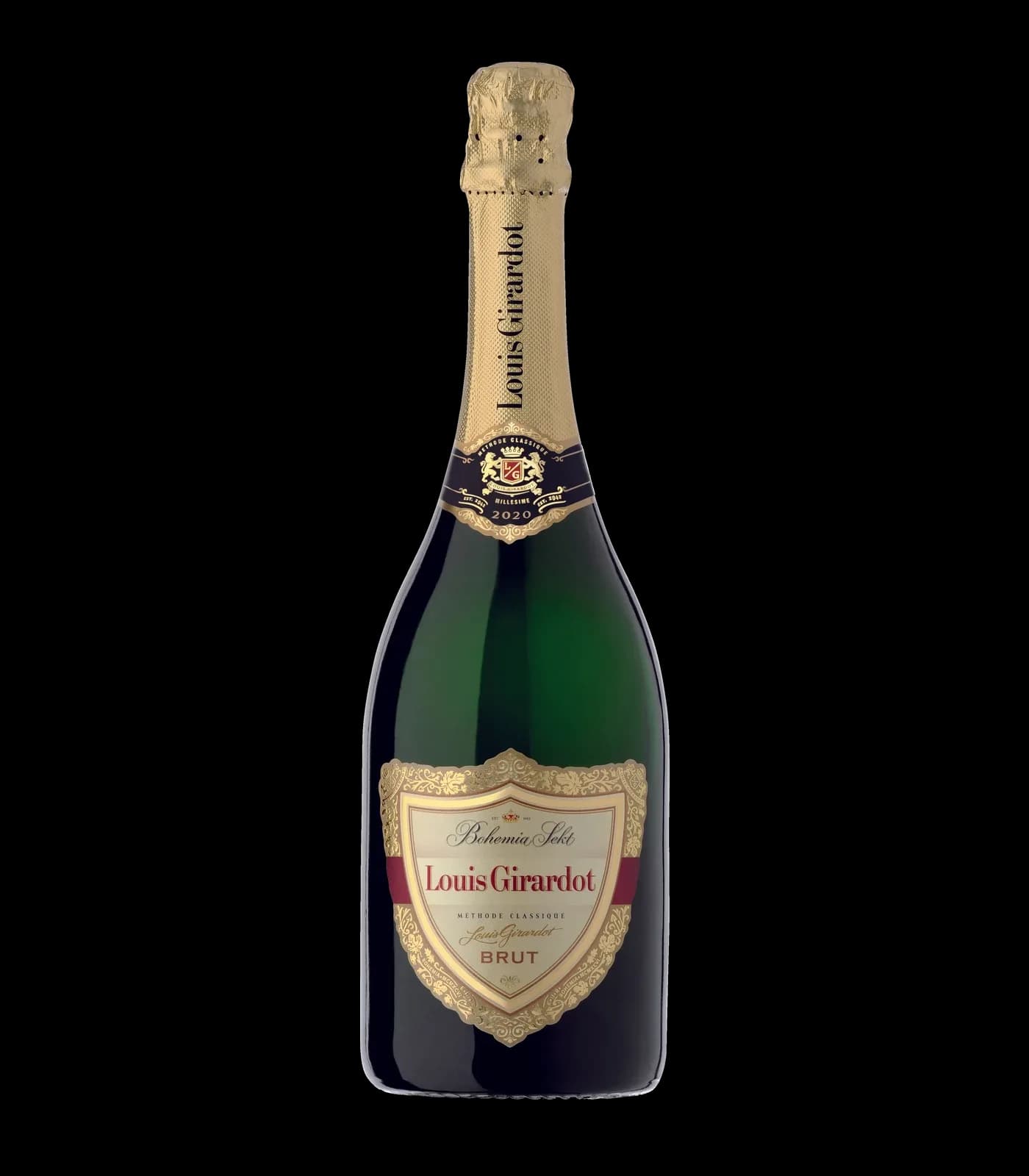
VINOFED Prize (Sparkling) Bohemia Sekt Louis Girardot Brut 2021 (93 pts) BOHEMIA SEKT s.r.o. Czech Republic

Alsace and Central Europe Lead the Way

One of the strongest headlines of the 2026 edition is the double Grand Prix du Jury awarded ex aequo to two Alsace wines, both receiving 94.8 points. This result reinforces Alsace’s positioning as a benchmark for structured, aromatic white wines with strong gastronomic potential. It also confirms the continued international appeal of terroir-driven wines that combine precision, identity, and balance.

At the same time, the Czech Republic excelled by winning both VINOFED prizes for the best dry still wine and best brut sparkling wine. This strong showing underlines the growing visibility of Central European producers, whose wines increasingly stand out through a combination of technical quality, regional character, and commercial relevance for the international market.

Grand Prix du Jury winners from Alsace pouring their award-winning wines at the 2026 Strasbourg competitions. © Bartosch Salmanski

The "Coup de Cœur" Awards: Signals of Market Change

Beyond medals, the 2026 Coup de Cœur distinctions offer valuable insight into deeper market changes. These recognitions highlight categories and wine profiles that increasingly attract attention from both trade professionals and consumers.

  • Orange Wine: AOC Alsace Vin Orange 2024, Domaine André Regin (France)
  • Native Grapes: Colli di Luni Vermentino "ORO D'ISE'E" 2025, Azienda Agricola Federici (Italy)
  • Ungrafted Vines (Franc de Pied): Macchia Bianco - Campi Flegrei DOP Falanghina 2020, Il Quarto Miglio (Italy)
  • First Participation: Matayac IGP Côtes de Gascogne Colombard Sauvignon Terra Vitis 2025, Castel Frères (France)
  • Dealcoholized Still: Baron de Hoen, Cave de Beblenheim (France)
  • Dealcoholized Sparkling: Cuvée Pépille 2025, Domaine Kirmann (France)

Together, these distinctions highlight several powerful trends: the renewed value of native grape varieties, the growing legitimacy of orange wines, and the emergence of dealcoholized wines as a more structured quality segment. Strasbourg is not simply rewarding established categories. It is also identifying the wine styles that are shaping the next phase of the market.

A selection of medal-winning wines from Strasbourg 2026, highlighting international quality benchmarks. © Bartosch Salmanski

Heritage Meets Resilience: The Focus on Ungrafted Vines

A particularly distinctive element of this edition was the masterclass dedicated to vins francs de pied, led by Swiss sommelier Roberta Bernasconi-Borella. These rare wines, produced from vines that survived the 19th-century phylloxera crisis on their own roots, represent an exceptional viticultural heritage and a compelling expression of authenticity.

This theme extended across both competitions and gave extra depth to the 2026 edition. In the European Red & Rosé Wine Contest, 20% of the samples came from ungrafted vines. Among the awarded wines, Serpico Irpinia Aglianico DOC 2018 by Feudi di San Gregorio and Aria di Mari Isola dei Nuraghi Metodo Classico Rosato PAS DOC 2024 by Cantina Li Seddi illustrated the premium value of rarity, heritage, and strong place identity.

For a market increasingly sensitive to authenticity, biodiversity, and meaningful storytelling, these wines carry a relevance that goes well beyond curiosity. They embody a direct connection between vine history, terroir expression, and cultural value.

The First European Red & Rosé Wine Contest Makes a Strong Entrance

The launch of the European Red & Rosé Wine Contest is one of the clearest signs that Strasbourg is evolving with the market. Designed to spotlight lighter reds, dynamic rosé categories, native grapes, and dealcoholized styles, the competition responds to real shifts in European consumption and production.

The inaugural edition awarded its two top honors to wines that reflect both prestige and stylistic relevance. The Grand Prix du Jury Rosé went to AOC Champagne Comtes de Champagne Rosé 2013 by Taittinger, while the Grand Prix du Jury Red was awarded to Maset del Lleó 1777 2021 by Agrupació Viticultors Artesanals SL in Spain.

These results confirm that rosé continues to move upward in premium positioning, while reds that offer balance, accessibility, and identity are gaining momentum in a changing market environment.

A moment of concentration as judges explore the wine’s aromatic expression. © Bartosch Salmanski

What This Means for the Market

The 2026 results confirm a broader shift toward wines that combine precision, identity, and adaptability. Lighter styles, native grape varieties, and low-alcohol alternatives are gaining visibility, while traditional regions continue to perform through high-quality, terroir-driven wines.

For producers, the message is clear: differentiation through origin, grape variety, and style is becoming increasingly important for international positioning. For buyers and importers, Strasbourg offers a useful reading of where quality and market relevance are beginning to converge.

These profiles, particularly fresh and precise white wines, expressive native-grape bottlings, and structured rosés, also align well with evolving consumption patterns across Asian markets, where food-pairing versatility, authenticity, and moderate alcohol levels are increasingly valued.

A Professional Reference Point and an Export Visibility Platform

The 2026 Strasbourg competitions demonstrated that excellence is now defined by a balance of tradition and innovation. The event reinforced its role as a high-level professional benchmark, supported by blind-tasting protocols, international judging standards, sommelier student service from the Lycée hôtelier Alexandre Dumas, and dedicated RONA glassware tailored to each wine style.

Beyond technical evaluation, Strasbourg also operates as a visibility platform. With more than 350 media relays in France and internationally, the competitions act as a lever for export exposure, brand positioning, and recognition for awarded wineries.

For producers, a result in Strasbourg is more than a medal. It functions as a commercial signal and a credibility marker in markets where independent recognition continues to influence buying decisions.

A Clear Signal for Producers and the Trade

The 2026 edition highlights a wine industry in transition. From Alsace Grand Crus to emerging Central European producers, and from classic sparkling prestige to no-low innovations and ungrafted-vine rarities, the results reflect a broader redefinition of quality and relevance.

For producers and buyers alike, Strasbourg offers a clear reading of where the market is heading. Beyond celebrating excellence, the competition provides insight into the styles, origins, and categories that are shaping the next phase of international wine demand.
Previous
Grands Jours de Bourgogne 2026: Climats, Tastings, and Market Insights

Leave a Comment

Your email address will not be published.

Learn About Wine

Become a Wine Expert

A bottle of red wine and a glass placed beside a historical book.

The Origins and History of Wine

Wine has accompanied humanity for thousands of years. From ancient China and the Middle East to Phoenician trade routes and modern cellars, its story reveals how winemaking, culture, and craftsmanship evolved across civilizations.
A man in a suit holding a wooden wine gift box with a bottle of red wine inside.

Gifting Wine: How to Choose the Right Wine for Someone Else

A complete guide to choosing the right wine gift. Discover how to match wine to the person, the occasion, and the message you want your gesture to express.
Woman walking among vineyard rows in Thailand, where tropical climate and adaptive viticulture shape wine production.

Thailand Wine Regions and Wine Map

Thailand has emerged as one of the most technically innovative wine-producing countries. This guide explores its wine regions, climate adaptations, and distinctive tropical wine styles.