Skip to content
Asiavino

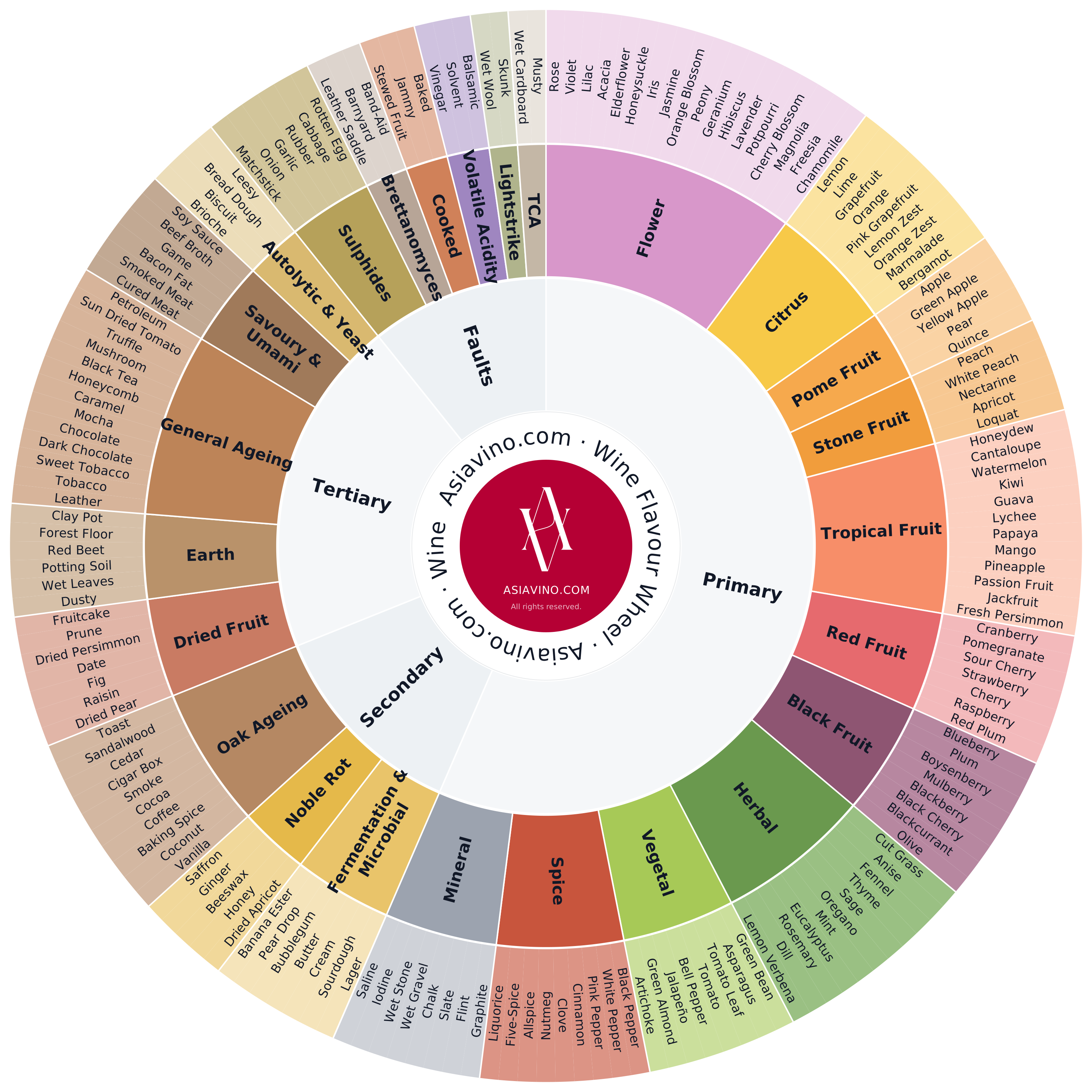
Wine Flavour Wheel

The Wine Flavour Wheel is a visual tool that helps organise and describe the vast range of aromas found in wine. It brings structure to the tasting experience by grouping scents into families such as fruit, floral, spice, or earthy notes.
Sign-in required
Wine Flavour Wheel

Use the arrow keys to move around the wheel: left and right along a ring, up and down between rings. Press Enter to pin, Escape to release.

© Damien Magnenat, Asiavino.com. The Asiavino Wine Flavour Wheel is protected by copyright. All rights reserved: no reproduction, adaptation or distribution, in whole or in part, is permitted without written permission.

Point at a sector to explore it, or click to pin it.

  • Primary

    Aromas carried by the grape itself, shaped by variety, climate and ripeness.

  • Secondary

    Aromas created during fermentation and early winemaking, by yeast, bacteria and oak.

  • Tertiary

    Aromas that develop with age, first in barrel and then in bottle.

  • Faults

    Aromas that signal a problem, from contamination, spoilage or careless handling.

WHAT IS THE WINE FLAVOUR WHEEL

The Wine Flavour Wheel is a visual tool that helps organise and describe the vast range of aromas found in wine. It brings structure to the tasting experience by grouping scents into families such as fruit, floral, spice, or earthy notes.

By using the wheel, tasters can develop a shared vocabulary and train their sense of smell to recognise subtle nuances. Each aroma connects to the grape variety, the winemaking process, or the ageing of the wine, revealing its origin and character in every glass.

HOW TO USE THE WINE FLAVOUR WHEEL

Start from the centre and move outward:

  • Primary aromas come from the grape itself, revealing fruit, flower, or herbal notes.
  • Secondary aromas develop during winemaking, through fermentation and ageing in oak or on lees.
  • Tertiary aromas appear with bottle age, reflecting time and gentle oxidation.

Download the flavour wheel for free

How to taste wine

Tasting is a simple routine anyone can learn: look, smell, sip and reflect. Use the wheel to find words for what you notice, one aroma at a time.

Read our complete guide to tasting wine
  1. 01

    Look

    Tilt your glass over a white surface and look at the colour, its depth and the rim. Is the wine clear or hazy? These observations can offer clues to the grape and age, but none tells the whole story.

    Notice the tears running down the glass after a gentle swirl. They offer a rough clue to alcohol and viscosity, or how readily the wine flows, rather than a score for quality. Save your judgement of body for the sip.

    Observing colour, clarity, and viscosity helps reveal a wine’s grape variety, age, and structure. Hold the glass against a white background to evaluate hue and brightness accurately.
  2. 02

    Swirl and smell

    Smell the wine before swirling, taking a gentle sniff for delicate aromas. Then swirl and smell again to see what opens up.

    Work from the wheel's centre outwards: primary aromas come from the grape, secondary aromas develop during winemaking, and tertiary aromas develop with ageing. Choose a family, then a more precise word, such as citrus, then lime. Start with what you recognise; you do not need to find an aroma in every group.

    Swirling and smelling the wine releases layers of aroma that reveal its origin, grape, and winemaking style. Identify fruit, floral, spice, and earthy notes to train your nose.
  3. 03

    Taste

    Take a small sip and move it around your mouth. Notice sweetness, mouth-watering acidity, the drying grip of tannin, warming alcohol and body, meaning how light or weighty the wine feels.

    Then turn to flavour. Do you recognise the aromas you smelled, or find something new? Follow how the flavours change from the first moment to the end of the sip. Fruit flavour does not necessarily mean the wine is sweet.

    Tasting explores structure, balance, and texture. Notice sweetness, acidity, tannins, and body, and observe how flavours evolve from the first sip to the finish.
  4. 04

    Conclude

    After swallowing or spitting, notice the finish: how long the flavours remain and which ones linger. Consider balance too. Do the fruit, sweetness, acidity, tannin and alcohol feel comfortable together, or does one dominate?

    Write a short note on what you liked and why. Return to the wheel to check your words and build your aroma memory. Keep your own impression, even if someone else finds a different fruit or spice.

    How to Taste Wine and Train Your Palate

Four ways to explore wine

Choose one question for your tasting, then use the same routine for every glass.

  • A horizontal tasting compares wines from the same vintage but different producers or vineyards, revealing how microclimates and winemaking choices influence style.

    Horizontal tasting

    Compare wines from the same vintage but different producers or vineyards. Keep the year constant and explore how place and winemaking shape the wines, noting what they share and where they differ.

  • A vertical tasting focuses on different vintages of the same wine to show how weather, ageing, and technique shape its evolution over time.

    Vertical tasting

    Taste several vintages of the same wine. Explore the weather of each growing season and the changes that come with age, remembering that both influence what you find in the glass.

  • In a blind tasting, the wine’s identity is hidden to encourage objective evaluation and sharpen sensory recognition without bias.

    Blind tasting

    Hide the labels before pouring so names and reputations do not lead your judgement. Describe each wine before revealing it, and focus on what you enjoy rather than guessing correctly.

  • In a double-blind tasting, neither the grape nor the region is revealed. It challenges tasters to rely solely on structure, aroma, and balance to identify the wine.

    Double-blind tasting

    Keep the grape and region secret as well as the labels. Rely on colour, aroma, structure and balance, making a note of your observations before anyone reveals what is in the glass.

Host a tasting at home

  1. 01

    Choose tulip-shaped glasses and leave enough space for a gentle swirl.

  2. 02

    Serve whites and sparkling wines cool, and reds slightly below room temperature, especially in warm weather.

  3. 03

    Try sparkling, white, rosé, red, then sweet; within each group, move from lighter to fuller styles.

  4. 04

    Offer water and plain crackers between wines, and give everyone time to pause.

  5. 05

    Use small pours and provide a spittoon, so tasting need not mean finishing every glass.

  6. 06

    Keep a printed wheel on the table and note each person's aromas before comparing impressions.

Serving temperatures

Sparkling wines and Champagne6–8 °C
Light, crisp whites and rosé8–10 °C
Rich whites, such as oaked Chardonnay10–13 °C
Light reds, such as Pinot Noir or Gamay12–14 °C
Medium and full-bodied reds15–18 °C
Sweet wines, such as Sauternes8–10 °C
Port and fortified reds14–18 °C

In a warm room, even a red wine gains from 15 to 20 minutes in the fridge before it is poured.

How to Host a Blind Wine Tasting at Home: A Complete, Structured Guide

Try a blind tasting

Hide the labels and let your senses decide. Our guide shows you how to host one with friends, step by step.

Read the guide

Every aroma on the wheel

All the families and aromas of the wheel, with the wines where each one is typically found. Open a family to see its aromas.

Primary

Aromas carried by the grape itself, shaped by variety, climate and ripeness.

Flower18

Floral notes arise from terpenes and norisoprenoids in aromatic grapes. They add lift, delicacy, and perfume, often signalling youth, freshness, and precise cool fermentations that preserve the most volatile scents.

Look for it in: Gewurztraminer, Muscat, Viognier and Torrontés are good starting points, alongside Pinot Noir and Nebbiolo wines such as Barolo and Barbaresco.

  • Rose (Rose water)Perfumed and graceful, rose recalls petals and rose water. Terpenes preserved by cool fermentation give this heady sweetness. Classic in Gewürztraminer and Muscat, it softens edges and lends charm to still and sparkling wines with an inviting floral halo.Look for it in: Alsace Gewurztraminer and Barolo offer two different routes into this perfume, one white and one red.
  • Violet (Violet candy)Powdery and elegant, violet stems from ionones that bloom during fermentation. Often found in Syrah and Malbec, it adds a fragrant top note that blurs tannins, bringing poise and lift to red wines while preserving a sense of freshness and purity.Look for it in: Gamay and Vosne-Romanée Pinot Noir offer clear examples of this floral note among red and black fruit.
  • Lilac (Lilac blossom)Delicate and springlike, lilac suggests cool mornings and pale petals. Terpene expression in aromatic whites creates this airy perfume. Appears in Riesling and fine Pinot Gris, where it signals finesse, gentle ripeness, and a lightly floral sheen over crisp fruit.Look for it in: Red Rully and some Fleurie wines show this floral fragrance, lifting the berry fruit without making the wine sweet.
  • Acacia (Acacia honey)Soft, honeyed blossom that hints at warm orchards. Terpenes and subtle ripeness yield this gentle floral tone. Common in Viognier and Chardonnay, it rounds sharp edges and contributes a mild sweetness that complements stone fruit and quiet oak cues.Look for it in: White Rully and Vézelay are useful Burgundy examples of this delicate floral character among fresh orchard fruit.
  • Elderflower (Elderflower tea)Fresh white bloom with a faintly herbal edge. Terpenes and high acidity frame this crisp aroma in Sauvignon Blanc and Grüner Veltliner. It emphasises youthful clarity, adding lift and brightness that keeps fruit lively and the finish clean.Look for it in: Sancerre and English Bacchus are good starting points for this floral note among fresh, green aromas.
  • Honeysuckle (Honeysuckle tea)Sweet, nectar-like perfume that feels silky and ripe. Terpenes heightened by warm sites and careful fermentation create this scent in Viognier and Chardonnay. It imparts roundness and allure, enriching the mid-palate's aromatic glow without heaviness.Look for it in: Try Condrieu made from Viognier alongside Muscat Blanc for two fragrant white-wine expressions of this note.
  • Iris (Iris root powder)Cool, powdery floral with a refined cosmetic nuance. Norisoprenoids emerging during fermentation can evoke iris in precise whites. Occurs in restrained Riesling and high altitude Chardonnay, signalling polish, poise, and an understated floral frame around citrus.Look for it in: Fleurie and white Burgundy can show this floral note, a useful reminder that it is not confined to red wines.
  • Jasmine (Jasmine blossom)Heady, night-blooming floral with tea-like delicacy. Terpenes in Muscat, Torrontés, and some Rieslings yield jasmine when picked ripe yet fermented cool. It adds exotic lift and a silken impression that makes acidity feel graceful and integrated.Look for it in: Albariño, cool-climate Riesling and Viognier offer different expressions of this floral note, from delicate to more intensely perfumed.
  • Orange Blossom (Orange flower honey)Sweet citrus flowers that feel bright and tender. Terpenes in Muscat and Torrontés show this note. It bridges fruit and flower, enhancing freshness while hinting at gentle sweetness that lingers without adding weight on the palate.Look for it in: Dry Muscat Blanc and sparkling Moscato d'Asti are inviting places to explore this bright floral character.
  • Peony (Peony petals)Soft, airy floral that whispers rather than shouts. Elevated terpenes and clean ferments allow peony to appear in pure, delicate whites. It contributes a satin-like perfume that enriches mouthfeel and keeps the finish light, graceful, and persistent.Look for it in: Gamay and red Auxey-Duresses can offer this floral lift, showing how perfume can sit naturally beside red fruit.
  • Geranium (Geranium leaf)Leafy floral with a slightly sharp green top note. Certain fermentation conditions may accentuate geranium in aromatic whites. Best in tiny doses for lift, it can quickly dominate, so its presence suggests careful balance between fruit purity and floral intensity.Look for it in: Torrontés and aged Verdicchio can show this floral note, which also appears in some German Riesling.
  • Hibiscus (Hibiscus tea)Tart floral that suggests crimson petals and tea. Found in some rosés and aromatic whites, where acidity is brisk. It adds colour cues and a lightly tangy bloom that frames red fruit, keeping profiles lively, refreshing, and primed for chilled service.Look for it in: Pinot Noir from Burgundy or Oregon can offer this floral note alongside its more familiar red fruit.
  • Lavender (Lavender sachet)Dry Mediterranean floral with gentle herbal edges. Grenache and Provençal rosés often show lavender when ripe fruit meets sunny sites. It adds regional character, soft perfume, and an impression of warmth without obscuring freshness or clarity.Look for it in: Provence reds and Vino Nobile di Montepulciano can show this floral-herbal note, alongside fruit rather than instead of it.
  • Potpourri (Mixed dried petals)Dried petals with warm spice undertones. Appears in evolved aromatic wines where terpenes mingle with mild oxidation. It adds a nostalgic, autumnal floral tone, turning fresh blossoms toward tea-like perfumes that enrich the bouquet's layers.Look for it in: Moschofilero and some Nebbiolo wines offer this mixed floral fragrance, whether the wine is white or red.
  • Cherry Blossom (Sakura flower)Pale, tender floral that sits near red fruit. Found in delicate rosés and light reds, it is driven by gentle terpenes and cool ferments. This note highlights finesse and a feather-light touch, supporting freshness rather than adding sweetness.Look for it in: Some white and skin-contact Koshu wines show this delicate floral note, with examples also found in Adelaide Hills Pinot Noir.
  • Magnolia (Magnolia blossom)Creamy, gardenia-like floral, suggesting waxy petals. In ripe Viognier or rich aromatic whites, magnolia adds plushness and a subtle tropical accent. It smooths acidity and frames stone fruit with a soft, elegant bloom that feels composed and poised.
  • Freesia (Freesia petals)Bright, crisp floral with citrusy lift. Clean ferments preserve freesia in cool climate whites, where it accents lemon and pear. It signals clarity and precision, giving wines a lightly perfumed top note that stays buoyant and refreshing through the finish.
  • Chamomile (Chamomile tea)Soothing floral reminiscent of herbal tea and honey. Mild oxidation or bottle time can bring chamomile to Chardonnay and Chenin Blanc. It rounds acidity and contributes a calm, mellow perfume that suggests quiet complexity and gentle maturity.Look for it in: South African Chenin Blanc and Alto Adige Sauvignon Blanc can show this gentle floral note, sometimes with a herbal edge.
Citrus9

Citrus signals energy and crispness. Esters and thiols preserved by cool fermentation frame acidity and keep profiles vivid. Note how bitterness, zest, or candied peel shapes the wine's balance and length.

Look for it in: Sauvignon Blanc from Sancerre or Marlborough, dry Riesling, Albariño and Chablis offer useful examples, as do Champagne and other traditional-method sparkling wines.

  • Lemon (Yuzu)Bright zest and fresh juice that sharpen the palate. Esters and high acidity in cool-fermented Chardonnay, Riesling, and Sauvignon Blanc yield lemon. It lifts fruit, cleanses the finish, and underscores precision without adding weight or sweetness.Look for it in: Young Sémillon and dry Riesling are useful choices when you want citrus rather than tropical fruit.
  • Lime (Kaffir lime leaf)Greener and tauter than lemon, with crystalline bite. High malic acid and cool ripening conditions define lime in Riesling and Semillon. It tightens structure, extends length, and promises ageability as the fruit slowly deepens with bottle age.Look for it in: Riesling and New Zealand Sauvignon Blanc are good places to find this sharper side of citrus.
  • Grapefruit (Pomelo zest)Pithy citrus that blends freshness with gentle bitterness. Thiols formed during fermentation in Sauvignon Blanc or Albariño create grapefruit. It braces ripe fruit, adds tension, and leaves a tangy echo that keeps the finish alert and refreshing.Look for it in: Try Marlborough Sauvignon Blanc and Grüner Veltliner for white wines with this distinctive citrus edge.
  • Orange (Mandarin peel)Round citrus that hints at peel and marmalade. Terpenes and mild oxidative cues in Viognier or Muscat yield an orange hue. It softens sharp edges, adds a sunny glow, and folds into spice or honey as wines evolve without turning heavy.Look for it in: Dry Muscat Blanc and Moscato d'Asti can bring this fruit character alongside their more obvious floral perfume.
  • Pink Grapefruit (Juicy pink grapefruit)Juicier, slightly sweeter citrus with rose-hued lift. Thiol expression in vibrant whites gives pink grapefruit. It balances tang and charm, cushioning acidity while maintaining a brisk, mouthwatering profile that finishes clean and fruit-bright.Look for it in: Moschofilero and sparkling rosé are useful places to explore this fragrant citrus note alongside flowers or red berries.
  • Lemon Zest (Fresh lemon peel)Pure peel with aromatic oils and snap. Cool ferments protect these volatile notes in crisp whites. Lemon zest sharpens outlines, adds fragrance without sugar, and primes the palate for mineral, saline, or herbal detail on the finish.Look for it in: Albariño and Pinot Grigio offer bright examples of this citrus-peel note, rather than simply ripe fruit.
  • Orange Zest (Orange rind)Perfumed rind with subtle bitterness and warmth. Found in aromatic whites where terpenes shine, orange zest adds definition and a lightly candied echo that wraps stone fruit, bridging freshness with an inviting suggestion of gentle sweetness.Look for it in: Pinot Noir rosé and Malagousia offer this fragrant peel note, bringing a citrus lift to very different wines.
  • Marmalade (Candied citrus)Candied citrus with honeyed depth. Light oxidative development or botrytis in white wines can yield marmalade. It enriches texture, hints at sweetness, and integrates with oak or spice, turning bright citrus into a nuanced, amber-toned accent.Look for it in: Botrytis-affected German Riesling and sweet Muscat of Samos can show this concentrated citrus character alongside honeyed fruit.
  • Bergamot (Earl Grey tea aroma)Earl Grey tea has a citrusy smell, elegant and lifted. Terpenes and delicate ferment handling preserve bergamot in fine aromatic whites. It adds tea-like complexity, floral freshness, and a refined edge that keeps the bouquet poised and articulate.Look for it in: German Riesling and Loire Muscadet can show this fragrant citrus note, as can some Chilean Pinot Noir.
Pome Fruit5

Pome fruit signals freshness, structure, and gentle ripeness. These notes often feel crisp, clean, and structured, especially in wines with bright acidity and cool fermentations.

Look for it in: Unoaked Chardonnay, Chenin Blanc, Pinot Gris and Pinot Grigio are useful starting points, alongside sparkling Champagne, Crémant and Cava.

  • AppleFamiliar orchard perfume that ranges from fresh to baked. Esters and natural malic acid contribute to apple flavour in many white wines. It centres the palate, supports structure, and adapts to style, from crisp unoaked wines to richer, subtly oxidative expressions.Look for it in: Dry Vouvray and young Sémillon offer this orchard-fruit note without needing oak to supply the flavour.
  • Green AppleCrisp and tart, like a freshly sliced Granny Smith. High malic acid and cool fermentation reveal this note in unoaked Chardonnay and Chablis. It tightens focus, brightens the finish, and keeps textures sleek and refreshing from start to end.Look for it in: Finger Lakes Chardonnay and just-ripe Riesling offer crisp expressions of this fruit in the glass.
  • Yellow AppleRiper apple with gentle warmth and soft edges. As acidity relaxes and esters grow, yellow apple appears in fuller Chardonnay and Chenin Blanc. It lends comfort and breadth while preserving enough freshness to keep the palate lively.Look for it in: Californian Chardonnay and New York Riesling offer useful examples of this ripe orchard-fruit note, beyond greener apple flavours.
  • PearJuicy and smooth, with a quiet floral accent. Hexyl acetate formed in cool fermentation imparts pear-like notes to Pinot Gris, Chenin Blanc, and Prosecco. It adds easy charm, cushions acidity, and leaves a clean, lightly sweet impression without residual sugar.Look for it in: Chenin Blanc and Muscat Blanc offer different aromatic settings for this familiar orchard-fruit character.
  • QuinceFirm, floral fruit with a hint of honey and tea. Mild oxidation or bottle time can unlock quince in Viognier and Chenin Blanc. It signals maturity, adding depth and a stately tone that bridges orchard fruit and gentle spice.Look for it in: Explore Vouvray and Savennières, two Loire Chenin Blanc styles where this note can accompany fresh apple.
Stone Fruit5

Stone fruit notes suggest fleshier ripeness and a softer, rounder mid-palate. They often appear when fruit is picked at fuller maturity, or when aromatic compounds emphasise peach and apricot-like warmth.

Look for it in: Viognier, ripe Riesling in dry or off-dry styles, Chenin Blanc, Alsace Pinot Gris and warm-climate Chardonnay offer good starting points.

  • PeachLush stone fruit that feels soft and sunny. Norisoprenoids and ripe-harvesting expression create peach in Pinot Gris and Chardonnay. It broadens mid-palates, tames acidity, and invites subtle vanilla or floral notes to weave through the finish.Look for it in: Viognier and ripe Riesling are useful comparisons, with the fruit appearing in both dry and sweeter wines.
  • White PeachPaler, more delicate stone fruit with floral lift. Cool sites and careful picking preserve white peach in high-altitude whites. It brings finesse and a satin texture, extending length while keeping the wine airy and quietly aromatic.Look for it in: Pinot Grigio and Sauvignon Blanc are useful wines for finding this delicate stone-fruit note alongside citrus.
  • NectarineJuicy stone fruit with a brighter snap than peach. Found in aromatic whites where ripeness meets brisk acidity. It adds freshness and charm, threading citrus edges through soft fruit to keep the balance lively and clear.Look for it in: Ripe dry Riesling and off-dry Riesling can share this aroma, so sweetness alone will not identify it.
  • ApricotRipe, sunny stone fruit with a touch of nectar. Norisoprenoids and partial botrytis can enhance the flavour of apricot in late-harvest Riesling and Viognier. It enriches texture, suggests sweetness, and integrates gracefully with spice or subtle oak.Look for it in: Condrieu and ripe Riesling offer this stone-fruit character without requiring the concentrated sweetness of a dessert wine.
  • LoquatFleshy, tart-sweet stone fruit that sits close to apricot and peach. In aromatic whites, loquat adds a gentle floral lift and a soft, sun-warmed nuance that feels ripe yet fresh, especially when acidity stays firm.
Tropical Fruit12

Tropical notes come from esters and thiols in ripe grapes and warmer ferments. They broaden mid-palates and add generous, exotic fruit that remains fresh when acidity stays firm.

Look for it in: Marlborough Sauvignon Blanc, warm-climate Chardonnay and Gewurztraminer are good starting points, with lychee especially associated with Gewurztraminer.

  • Honeydew (Honeydew melon)Cool, green melon with a silky feel. Moderate ferments form these esters in Pinot Gris and Gavi. Honeydew cushions acidity, smooths texture, and adds a refreshing, gently sweet impression that suits chilled, easy-drinking styles very well.Look for it in: Albariño, Alvarinho and Sauvignon Blanc can show this fresh melon note among their citrus and orchard-fruit flavours.
  • Cantaloupe (Ripe cantaloupe)Ripe orange melon with soft perfume. Found in unoaked Chardonnay and friendly whites. It fills the middle palate, rounding angles and leaving a mellow fruit glow that complements seafood, salads, and light spice without tiring the palate.Look for it in: Pinot Gris and some Columbia Valley Chenin Blanc can show this ripe melon note alongside peach and pear.
  • Watermelon (Watermelon)Juicy, summery fruit with a crisp snap. Chilled rosés and light whites show watermelon when fermentation preserves delicate esters. It refreshes, adds a playful red fruit echo, and keeps the finish bright, clean, and thirst-quenching.Look for it in: Provence rosé and Pinot Noir rosé are good places to find this light, refreshing fruit impression.
  • Kiwi (Fresh kiwi)Green tropical note with citrus-tinged zest. Appears in lively whites where acidity is keen. Kiwi accents freshness, threading a tangy line through softer fruit so the wine feels generous yet alert from first sip to final echo.Look for it in: Verdicchio and some Oregon Arneis offer this lively fruit note, a useful alternative to familiar citrus-led whites.
  • Guava (Guava)Exotic, lightly tart perfume shaped by volatile thiols. Marlborough Sauvignon Blanc often shows guava. It intensifies aromatic lift, teams with passion fruit, and keeps the profile vibrant while preserving a precise, mouthwatering finish.Look for it in: Riper Marlborough Sauvignon Blanc and warm-climate Chardonnay can show this tropical fruit note rather than greener, sharper aromas.
  • Lychee (Lychee)Perfumed tropical fruit with rose-like sweetness. Classic in Gewürztraminer and some Muscat, lychee amplifies aromatic charm. It softens edges, suggests richness, and pairs naturally with gentle sweetness or spice while staying buoyant.Look for it in: Gewurztraminer from Alsace and Alto Adige offers this distinctive fruit perfume, in dry wines as well as sweeter styles.
  • Papaya (Papaya)Mellow, musky tropical flesh that adds volume more than punch. Warm ferments and ripe fruit yield papaya in New World whites. It smooths textures, cushions acidity, and leaves a calm, rounded impression without obscuring clarity.Look for it in: Verdicchio can suggest greener fruit, while some Oregon Arneis shows a riper version of this tropical note.
  • Mango (Ripe mango)Creamy tropical depth with a plush, ripe feel. Warm sites and ferment heat bring mango to Torrontés and Viognier. It enriches the body, integrates spice, and lends a luxurious tone that remains appealing when balanced by clean acidity.Look for it in: Riper Riesling and warm-climate Chardonnay are good places to explore the fuller end of white-wine fruit aromas.
  • Pineapple (Pineapple)Tangy sweet tropical brightness from ethyl butyrate. Found in warm-climate Chardonnay and some dessert wines, pineapple imparts energy, refreshes the mid-palate, and frames richer elements with a lively, mouthwatering ring of acidity.Look for it in: Warm-climate Chardonnay and extra-ripe Riesling can show this tropical character even when their sweetness levels differ.
  • Passion Fruit (Passion fruit)Piercing, high-toned tropical aroma from volatile thiols. Signature of Sauvignon Blanc, it adds exuberance and definition, pushing aromatic intensity forward while keeping the finish crisp, clean, and vividly fruit-driven.Look for it in: Try Sauvignon Blanc from Marlborough or warmer New Zealand regions for this particularly expressive tropical-fruit character.
  • Jackfruit (Jackfruit)Waxy, banana custard tropical note in very ripe or late harvest whites. Elevated ester concentration creates this plush scent. It signals richness and warmth, adding creamy depth that benefits from firm acidity for balance.Look for it in: Skin-contact orange wines and Fino sherry can share this surprising fruit note, even though both styles are usually dry.
  • Fresh Persimmon (Crisp fuyu persimmon)Soft, mellow fruit with a gentle sweetness that can feel closer to melon or papaya than stone fruit. In ripe, low-tannin whites, persimmon reads smooth and rounded, bringing quiet warmth while the finish remains clean when acidity is present.
Red Fruit7

Red fruit suggests brightness, moderate tannin, and youthful charm. These notes come from esters and lightly extracted phenolics that emphasise delicacy and lift.

Look for it in: Pinot Noir from Burgundy, Gamay from Beaujolais, Grenache, Sangiovese from Chianti and fruity rosés offer good examples to explore.

  • Cranberry (Cranberry)Tart red fruit that tightens focus. Cool climates and brisk acidity highlight cranberry in Beaujolais and Loire reds. It clears the palate, sharpens lines, and keeps the finish brisk, making food pairings feel effortless and lively.Look for it in: Young Pinot Noir from Sancerre and Oregon offers clear examples, while youthful Grenache can show a similarly tart fruit note.
  • Pomegranate (Pomegranate)Ruby fruit with a gentle earthy echo. Esters and light phenolics contribute to the pomegranate character in Grenache and Nebbiolo. It balances sweetness and tang, bringing colour and brightness while preserving a pleasantly firm, food-friendly structure.Look for it in: Try Gamay, Cinsault and fuller-bodied Grenache rosé for this bright fruit impression, often carried by lively acidity.
  • Sour Cherry (Sour cherry)Red fruit with a tangy, mouth-watering bite. Seen in Sangiovese and cool Pinot Noir, sour cherry refreshes, extends length, and keeps profiles taut. With time, it eases toward kirsch, retaining a vivid, red-edged core.Look for it in: Beaujolais and skin-contact Pinot Grigio can show this tangy cherry character, offering an interesting red-and-white comparison.
  • Strawberry (Strawberry)Sweet summer fruit with soft perfume. Light esters in Pinot Noir, Grenache, and rosé wines produce strawberry notes. It adds charm and approachability, rounding acidity and setting an inviting, fruit-bright tone that remains clean on the finish.Look for it in: Pinot Noir and young Beaujolais are useful comparisons for this bright fruit before mature aromas take over.
  • Cherry (Cherry)Classic red fruit centre that anchors many styles. Benzaldehyde and ripe fruit yield cherry in Pinot Noir and Merlot. It gives balance and familiarity, evolving toward liqueur-like depth as wines age gracefully.Look for it in: Pinot Noir and Nebbiolo offer this fruit in contrasting red-wine styles, from Burgundy to Barolo.
  • Raspberry (Raspberry)Lively, tangy red fruit that reads fresh and quick. In Pinot Noir and Gamay, raspberry boosts energy and lift, outlining fruit with a fine, bright edge that keeps the palate alert and eager for another sip.Look for it in: Young Pinot Noir and Beaujolais are inviting starting points for this fruit-led side of red wine.
  • Red Plum (Red plum)Gentle, rounded red fruit with soft texture. Found in juicy, easy-drinking reds where ripeness is moderate. Red plum adds solace and breadth while maintaining a friendly, approachable finish free of heavy tannic grip.Look for it in: Malbec and Merlot offer useful examples of this fruit, alongside their other red and dark-fruit notes.
Black Fruit8

Black fruit reflects ripeness and depth. Warm sites and thicker skins boost phenolics, giving darker colour, richer mid-palates, and structured finishes.

Look for it in: Cabernet Sauvignon from Bordeaux or Napa, Malbec from Mendoza, Syrah or Shiraz, and Merlot are useful places to begin.

  • Blueberry (Blueberry)Plush, inky fruit with floral sweetness. Malbec and Shiraz often show blueberry when extraction is careful. It softens the structure, adds velvet to the mid-palate, and keeps the fruit purity clear and inviting from nose to finish.Look for it in: Syrah from the Rhône and Australian Shiraz can carry this fruit within a fuller dark-berry profile.
  • Plum (Dark plum)Rounded dark fruit that suggests calm ripeness. In Merlot and warm climate Syrah, plum provides approachability, mellowing tannins, and easing wines toward comfort while leaving enough freshness to sustain balance.Look for it in: Merlot and Syrah are useful choices for this darker fruit character, distinct from lighter red-berry aromas.
  • Boysenberry (Boysenberry preserve)Juicy black red berry with a jammy edge. Found in ripe New World reds where fruit concentration is high. Boysenberry brings generosity and a friendly, vivid core that welcomes spice while keeping the finish smooth and persistent.Look for it in: Red Zinfandel and Syrah are useful starting points for this rich berry note, which also appears in Beaujolais.
  • Mulberry (Mulberry)Dusky berry with earthy undertones. In Mediterranean reds, mulberry adds complexity without heaviness, threading savoury hints through dark fruit and giving a composed, subtly wild character that suits richer cuisines.Look for it in: Ripe Pinot Noir and Malbec from Cahors can show this berry note alongside cherry or darker fruit.
  • Blackberry (Blackberry)Brambly, ripe black fruit that signals concentration. Warm fermentations and high anthocyanins reveal blackberry in Cabernet and Shiraz. It delivers weight, richness, and a confident, fruit-driven frame for spice and oak to rest upon.Look for it in: Malbec and Australian Shiraz offer this fruit as part of their familiar dark-berry character.
  • Black Cherry (Black cherry)Dark cherry with a hint of chocolate and spice. Dark-fruited varieties like Merlot and Syrah express this when fully ripe. It anchors the core, smooths tannins, and supports oak notes without losing fruit authority or length.Look for it in: Merlot-based Pomerol and Saint-Émilion are good starting points for this deep fruit note alongside plum or chocolate.
  • Blackcurrant (Cassis liqueur)Cassis with a subtle leafy lift. Methoxypyrazines and thiols shape blackcurrant in Cabernet Sauvignon and Cabernet Franc. It defines varietal character, merging depth with freshness and carrying power through a long, structured finish.Look for it in: Cabernet Sauvignon and Malbec are good starting points for this fruit, rather than the red berries of Pinot Noir.
  • Olive (Salted black olive)Savoury black olive that turns fruit toward umami. Often present in Syrah and Tempranillo, it adds depth, salinity, and a faintly bitter contrast that makes dark fruit feel more layered, grounded, and gastronomic.Look for it in: Syrah from Walla Walla and southern Oregon can show this savoury note alongside ripe plum and blackberry.
Herbal11

Herbal tones come from pyrazines, terpenes, and phenolics. They add freshness, outline structure, and connect fruit to place.

Look for it in: Sauvignon Blanc, Cabernet Franc and Carménère offer good starting points, with Grüner Veltliner and Vermentino providing further white-wine examples.

  • Cut Grass (Freshly mown grass)Freshly mown lawn that feels cool and brisk. Pyrazines and high acidity in Sauvignon Blanc reveal cut grass. It sharpens outlines, supports citrus, and leaves a vivid green snap that reads clean when fruit is ripe and well-defined.Look for it in: Sancerre and Marlborough Sauvignon Blanc offer useful comparisons for this green note, sometimes alongside tropical fruit.
  • Anise (Star anise)Sweet herb with liquorice-like clarity. Anethole-related compounds in Grenache and Mourvèdre can suggest anise-like notes. It freshens the bouquet, adds intrigue, and threads a gentle herbal line through fruit without drying the finish.Look for it in: Barolo and Barbaresco, both made from Nebbiolo, can carry this aromatic note alongside cherry and flowers.
  • Fennel (Fennel seed)Herbal sweet seed with a cooling touch. In Mediterranean white and red wines, fennel adds lift and savoury nuance. It pairs naturally with saline or mineral notes, keeping the profile appetising and bright from start to finish.Look for it in: Rueda Verdejo and Provence rosé offer fresh herbal examples, while Etna Rosso can suggest the more pungent seeds.
  • Thyme (Thyme)Dry hillside herb that evokes sun and stone. In Southern reds and coastal whites, thyme brings regional identity. It frames fruit with savoury detail and preserves a mouth-watering shape on the finish.Look for it in: Pic Saint-Loup and Terrasses du Larzac reds can carry this dried-herb fragrance alongside their ripe fruit.
  • Sage (Perilla leaf)Soft, resinous herb with silvery perfume. Sage appears where ripeness meets restraint, complementing red fruit and subtle oak. It adds calm complexity that lingers without turning bitter or green, keeping the finish composed.Look for it in: Pessac-Léognan Sauvignon Blanc and some Chalone Pinot Noir can show this herbal fragrance among fruit and oak notes.
  • Oregano (Oregano)Warm savoury herb that reads Mediterranean. In ripe Grenache blends and rustic reds, oregano adds culinary familiarity, linking fruit sweetness to a gently savoury frame that suits hearty dishes and robust textures.Look for it in: Sangiovese and Agiorgitiko from Nemea can show this herbal note, adding a savoury edge to their fruit.
  • Mint (Peppermint)Cool, sweet herb that brightens warm reds. In Cabernet and Shiraz, mint adds lift and contrast, refreshing fruit density, and helps large frames feel more nimble and poised across the palate from attack to close.Look for it in: Californian and Chilean Cabernet Sauvignon can offer this fresh herbal lift against their darker fruit flavours.
  • Eucalyptus (Eucalyptus)Distinct camphor-like freshness tied to cineole. Australian reds near eucalypts often show it. Eucalyptus cools rich fruit, adds aromatic distance, and keeps finishes clean despite generous ripeness or oak influence.Look for it in: Australian Cabernet Sauvignon and Shiraz are familiar examples, sometimes reflecting the influence of nearby eucalyptus trees.
  • Rosemary (Rosemary)Piney, resinous herb that suggests coastal hills. In Mediterranean whites and reds, rosemary supplies savoury depth, shaping fruit and extending length with a crisp herbal line that reads appetising and precise.Look for it in: Syrah and Pic Saint-Loup reds can offer this aromatic herbal note beneath their fruit and peppery spice.
  • Dill (Dill)Green herb with a lightly pickled edge. In some oak-aged reds, dill can echo from American oak, but as an herbal note, it adds freshness and a quirky lift that reads bright when fruit is ripe and clear.Look for it in: Rioja Tempranillo and oak-aged Chardonnay can show this herbal note, so it is not limited to young, green-tasting wines.
  • Lemon Verbena (Lemon verbena)Citrus herbal leaf that smells like lemon tea. Precise whites show verbena when acidity is high, and fermentation is cool. It polishes citrus, sharpens focus, and leaves a cooling, clean finish that invites another sip.Look for it in: Condrieu and white Hermitage can show this citrus-herbal fragrance, adding freshness around their richer stone-fruit flavours.
Vegetal8

Vegetal tones come from methoxypyrazines and other green compounds. Managed well, they add freshness and definition without turning aggressive.

Look for it in: Cabernet Franc from Chinon, Carménère and cool-climate Cabernet Sauvignon are useful examples, alongside Sauvignon Blanc with green bean or asparagus notes.

  • Green Bean (Green bean)Tender green that hints at cool sites and firm acidity. In precise whites, green bean reads crisp rather than raw, tightening fruit and keeping the finish brisk, especially when balanced by citrus and light floral lift.Look for it in: Marlborough Sauvignon Blanc and some Adelaide Hills Sauvignon-Sémillon blends offer this green note among their citrus and herbal aromas.
  • Asparagus (Asparagus)Distinct green spear with slight sulfur twang. In Sauvignon Blanc, this appears when thiols meet cool ferments. It sharpens the profile, marking youth and energy while remaining refreshing when fruit ripeness is adequate.Look for it in: Marlborough Sauvignon Blanc and Cabernet Franc can show this green vegetable note, particularly among their more herbaceous expressions.
  • Tomato Leaf (Tomato leaf)Resinous leaf with sun-warmed greenness. Cabernet Franc and Nebbiolo show tomato leaf at moderate ripeness. It adds definition and a savoury edge that makes red fruit feel structured and gastronomic.Look for it in: Chianti and Sauvignon Blanc can share this green, leafy fragrance despite their very different colours and fruit flavours.
  • Tomato (Tomato)Ripe tomato flesh that leans savoury-sweet. In Mediterranean reds, tomato bridges fruit and herb, adding umami and warmth without heaviness, especially when acidity stays lively, and the finish remains clean.Look for it in: Sangiovese and Rapsani blends offer this savoury fruit impression, sometimes leaning towards a richer, roasted character.
  • Bell Pepper (Shishito pepper)Crisp green capsicum linked to pyrazines. Common in Cabernet and Carménère, it contributes freshness and a varietal stamp. Best as a contouring note that trims richness and keeps structure taut and appetising.Look for it in: Cool-climate Cabernet Sauvignon and Sauvignon Blanc can share this green note despite their very different colours.
  • Jalapeño (Green chilli)Green chilli with gentle heat and cut. In very cool or early-picked fruit, jalapeño can appear. In small amounts, it adds energy and a spicy accent that invigorates bright, lean styles when fruit remains clear.Look for it in: Marlborough Sauvignon Blanc and some Margaret River Sauvignon Blanc show this green pepper note, without the heat of actual chilli.
  • Green Almond (Green almond)Fresh, slightly bitter kernel that reads savoury. In youthful whites, green almond suggests firmness and a dry, appetising finish. It partners well with saline notes and high acid, food first profiles.Look for it in: Try Albariño and Pinot Grigio for this fresh, lightly bitter almond impression, often most noticeable towards the finish.
  • Artichoke (Steamed artichoke)Steamed green with mild sweetness. In savoury whites, artichoke adds culinary nuance and a gentle vegetal echo that complements mineral frames and crisp textures, with a focus on dining rather than simple fruitiness.
Spice9

Grape-derived spice comes from terpenes, rotundone, and related compounds. It adds aromatic tension, warmth, and detail independent of oak.

Look for it in: Syrah (black pepper), Grüner Veltliner (white pepper), Gewurztraminer, Zinfandel and Rhône blends offer different expressions of this family.

  • Black Pepper (Black peppercorn)Warm, spicy lift from rotundone concentrated in skins. Classic in Syrah and Mourvèdre, black pepper enlivens dark fruit, adds savoury bite, and stretches the finish with a subtle, appetising prickle that invites another sip.Look for it in: Northern Rhône Syrah and cool-climate Australian Shiraz are classic choices for this grape-derived spice.
  • White Pepper (White pepper)Sharper, high note spice from rotundone in cool sites. Found in Syrah and Grüner Veltliner, white pepper tightens focus, brightens fruit, and underlines minerality with a fine, spicy line that reads elegant and clean.Look for it in: Peppery Grüner Veltliner from the Wachau or Weinviertel gives you two Austrian routes into this aroma.
  • Pink Pepper (Pink peppercorn)Delicate berry spice with floral sweetness. In aromatic reds and rosés, pink pepper adds charm and gentle warmth, linking red fruit and flower while keeping textures light, lively, and easy to pair at the table.Look for it in: Some Albariño and Austrian Zweigelt offer this fragrant spice note, a gentler alternative to more familiar black-pepper impressions.
  • Cinnamon (Cinnamon bark)Warm baking spice that reads sweet-edged. In ripe Grenache and plush reds, cinnamon highlights fruit generosity and layers comfortably with floral and subtle herbal notes for a welcoming, well-rounded profile.Look for it in: Zinfandel and Carignan offer useful red-wine examples, while Gewurztraminer can bring this spice into a fragrant white.
  • Clove (Clove bud)Sweet spicy eugenol character that can be grape-derived. Grenache sometimes shows it. Clove adds depth and a cushioned, spicy warmth that complements red fruit without masking freshness, keeping the finish clear.Look for it in: Oak-aged Pinot Noir and oak-aged Chardonnay can carry this note from the wood rather than the grape.
  • Nutmeg (Ground nutmeg)Soft baking spice with creamy warmth. In ripe reds, nutmeg rounds the bouquet and provides a mellow accent that feels cosy yet restrained, sitting gently alongside fruit and subtle oak suggestions.Look for it in: Look for oak-aged Chardonnay and oak-aged red Bordeaux when exploring this spice contributed by barrel maturation.
  • Allspice (Allspice berries)Complex spice that blends clove, cinnamon, and pepper. In generous reds, allspice enriches fruit and lends savoury sweetness, smoothing transitions from mid-palate to finish while maintaining balance and clarity.Look for it in: Carignan and Gewurztraminer can show this warm spice character, the first among red fruit, the second alongside aromatic white fruit.
  • Five-Spice (Five-spice blend)Fragrant blend echoing star anise, clove, and cinnamon. In expressive reds, it adds exotic lift and layered spice complexity, keeping the profile vivid and engaging without losing freshness or shape.Look for it in: Explore oak-influenced Pinot Noir from Oregon and Tasmania for this layered spice note alongside the fruit.
  • Liquorice (Liquorice root)Sweet root with dark, herbal depth. In Grenache and Mediterranean reds, liquorice threads through fruit and adds length, finishing with a clean, gently cooling echo that helps balance richness and tame heat.Look for it in: Tannat and red Zinfandel can show this distinctive sweet-spice impression without the wines themselves tasting sweet.
Mineral8

Mineral impressions evoke stone, salt, and steel. They reflect acidity, low fruit embellishment, and reductive handling that preserve clarity.

Look for it in: Chablis, Mosel Riesling, Sancerre, Santorini Assyrtiko and Champagne are familiar starting points for exploring stony or saline impressions.

  • Graphite (Graphite)Pencil lead and crushed rock that feel cool and dry. In structured reds and steely whites, graphite adds spine and a refined mineral thread that carries through the finish with quiet authority.Look for it in: Washington Syrah and Bordeaux-style blends can show this dry mineral impression alongside dark fruit and savoury spice.
  • Flint (Struck flint)Struck stone with a smoky gunflint accent. Reductive handling in precise whites can yield flint, adding tension and a steel-edged snap that frames citrus and saline detail with intensity.Look for it in: Try Chablis and Sancerre for this smoky, struck-stone impression in dry white wines.
  • Slate (Slate)Dark stone warmth with a dry rocky echo. Riesling on slate often shows this calm mineral tone. It steadies citrus and keeps the sweetness feeling chiselled and focused, helping profiles stay precise and long.Look for it in: Dry German Riesling and Jura Chardonnay can show this stony impression alongside citrus, without literally tasting of vineyard rock.
  • Chalk (Chalk dust)Powdery pale mineral that reads fine and firm. Chardonnay on chalk shows delicacy and linear drive. Chalk sharpens contours and sustains graceful, persistent finishes with a quietly saline echo.Look for it in: Chablis and Sancerre often invite this mineral description, which can refer to a dry, powdery texture as well as aroma.
  • Wet Gravel (Wet gravel)Pebbly clean stone after rain. In crisp whites, wet gravel supports citrus and herbs, keeping the palate firm, linear, and refreshingly precise to the final echo. Secondary aromas arise from fermentation, microbial activity, and oak ageing. They add texture, spice, and creaminess that shape style and complexity beyond the grape's inherent voice.Look for it in: Sauvignon Blanc and some Okanagan Gamay offer this damp, stony impression alongside their fruit, without implying literal vineyard gravel.
  • Wet Stone (Wet stone)Rain on rock that smells clean and cool. In Chablis and taut Riesling, wet stone underscores purity and length, letting citrus and floral notes stay lifted and transparent from nose to finish.Look for it in: Finger Lakes Chardonnay and Pinot Noir rosé can offer this cool, stony impression, even though their fruit flavours differ.
  • Iodine (Iodine)Marine mineral with a medicinal edge. In certain coastal reds and whites, iodine adds depth and a savoury sea-borne nuance that suits robust cuisines and confident textures.Look for it in: Petit Chablis and Champagne can show this marine mineral impression, sometimes most noticeable alongside a salty finish.
  • Saline (Sea spray)Sea spray and salt that taste savoury and mouthwatering. Coastal or high mineral sites show saline, which heightens refreshment, focuses fruit, and primes wines for food pairings and bright, clean finishes.Look for it in: Coastal Albariño and Fino sherry are useful comparisons for this salty impression, which belongs to taste rather than smell.

Secondary

Aromas created during fermentation and early winemaking, by yeast, bacteria and oak.

Fermentation & Microbial7

Yeast metabolism, autolysis, and bacterial conversions create savoury, creamy, and fruity ester notes. Handling choices determine whether these accents feel subtle or pronounced.

Look for it in: Beaujolais Nouveau can show banana and bubblegum; Chardonnay after malolactic fermentation, a process that softens acidity, can offer butter and cream.

  • Lager (Light lager yeast)Light, bready yeast echo that recalls pale beer foam. Short lees contact and cool ferments in fresh whites can show this gentle cereal note, adding softness and a friendly roundness that keeps the finish easy and clean.
  • Sourdough (Sourdough starter)Tangy, cultured dough with a lactic edge. Extended lees time builds sourdough complexity in traditional method sparkling wines, enriching texture and lending a savoury bakery depth beneath bright fruit and fine bubbles.Look for it in: Skin-contact orange wines and some lees-aged traditional-method sparkling wines show this tangy bakery note beneath their fruit.
  • Cream (Fresh cream)Soft lactic perfume that smooths acidity. Malolactic conversion or lees stirring in Chardonnay creates cream. It rounds the mid palate, polishing angles while allowing citrus and oak to integrate with calm, supple ease.Look for it in: Chardonnay from Burgundy or California can show this character after malolactic fermentation, which softens the wine's acidity.
  • Butter (Butter)Diacetyl-driven note of melted butter. In classic oaked Chardonnay, it signals full malolactic and careful élevage. Butter softens sharpness, fills texture, and pairs comfortably with toast and ripe orchard fruit.Look for it in: Malolactic-fermented Chardonnay from California or Burgundy offers this note, which comes from winemaking rather than added flavouring.
  • Bubblegum (Fruity ester from carbonic maceration)Fruity ester associated with carbonic maceration. In Beaujolais Nouveau and some youthful reds, bubblegum amplifies bright fruit, giving a playful candied top note that fades as primary aromas settle with short bottle time.Look for it in: Beaujolais Nouveau and other carbonic-maceration Gamay wines can develop this playful aroma during fermentation, rather than from added flavouring.
  • Pear Drop (Sweet ester note of young wines)Sweet confectionery ester common in very young wines. Cool ferments produce pear drops, which read lively and fun. With brief ageing, it integrates, leaving a cleaner, more grown-up fruit profile and a tidier bouquet.Look for it in: Young Beaujolais and some Prosecco Superiore offer this sweet-smelling fruit character, which does not necessarily mean the wine tastes sweet.
  • Banana Ester (Fermentation banana-like aroma)Isoamyl acetate that smells like ripe bananas. Carbonic and cool ferments accent this in youthful reds and whites. It enhances early drinkability, then recedes as the wine sheds its more flamboyant primary esters.Look for it in: Beaujolais Nouveau and other carbonic-maceration Gamay wines can develop this fruity fermentation aroma, without any banana being added.
Noble Rot5

Botrytis cinerea concentrates sugars and transforms aromatics. It introduces honeyed, spicy, and waxy notes that define many late harvest and botrytised wines.

Look for it in: Sauternes, Tokaji Aszú, Beerenauslese and Trockenbeerenauslese offer classic examples of sweet wines in which to explore these aromas.

  • Dried Apricot (Dried apricot)Candied stone fruit that signals concentration. Botrytis and dehydration focus sugars and aromas, giving dried apricot that layers gracefully with spice, honey, and gentle oak for a composed, long finish.Look for it in: Botrytis-affected German Riesling and Tuscan Vin Santo can show this concentrated fruit note in their richer sweet styles.
  • Honey (Honey)Golden sweetness with floral warmth. Botrytis and slow oxidation produce honey, which enriches texture and wraps acidity in a velvety glow while preserving balance through vivid, lingering freshness across the palate.Look for it in: Aged Vouvray and mature Sémillon can develop this aroma even when the wine itself is dry.
  • Beeswax (Beeswax)Waxy, lanolin-like note that suggests texture. Botrytised and mature whites show beeswax as sugars and acids integrate. It gives a smooth, polished mouthfeel and a calm, enduring finish with gentle warmth.Look for it in: Chenin Blanc and Sémillon are useful white-wine choices for this waxy character, beyond the wheel's sweet-wine examples.
  • Ginger (Candied ginger)Candied spice that sparks energy. Botrytis complexity can express ginger, brightening sweetness, and adding contrast to honeyed depth so the wine remains vibrant, poised, and appetising.Look for it in: Mature Sauternes and Tokaji can develop this warm spice note, while Gewurztraminer may show it alongside fresh fruit.
  • Saffron (Saffron)Exotic spice that reads warm and precious. Botrytis pathways can yield saffron in fine sweet wines. It adds complexity and a distinct, luxurious thread that elevates the bouquet beyond simple fruit sweetness.Look for it in: Sauternes and Tokaji Aszú can reveal this distinctive spice note beneath their concentrated fruit and honeyed richness.
Oak Ageing10

Oak contributes lactones, vanillin, and toast-derived compounds. Species, toast level, and time define whether the result skews creamy, spicy, smoky, or sweetly caramelised.

Look for it in: Rioja Reserva and Gran Reserva, oak-aged Chardonnay from Burgundy or California, red Bordeaux and barrel-aged Malbec offer useful examples.

  • Vanilla (Vanilla bean)Sweet, comforting vanillin from toasted oak, strongest in American barrels. It softens tannins, warms fruit, and integrates with butter or cream in generous whites and structured reds without masking varietal detail.Look for it in: Oak-aged Chardonnay and oak-aged Malbec can show this note, so check for wood ageing when choosing a bottle.
  • Coconut (Toasted coconut)Oak lactones that read creamy and tropical. American oak highlights coconut in Rioja and New World reds. It enriches texture and underscores ripe fruit with a plush accent that remains smooth and friendly.Look for it in: Chardonnay and Tempranillo matured in American oak are useful styles to explore for this wood-derived character.
  • Baking Spice (Five spice blend)Oak-derived spice medley that echoes clove and cinnamon. Gentle toast layers these notes into reds and whites, adding complexity and warmth without overpowering the grape's natural voice.Look for it in: Oak-influenced Pinot Noir and Zinfandel can bring a mix of warm spice aromas around their red and black fruit.
  • Coffee (Coffee)Dark roast cues from heavy toast and oxygen interplay. In Rioja and Napa Cabernet, coffee deepens richness and smooths the finish with a refined, mocha-like glide that feels composed and inviting.Look for it in: Oak-aged Cabernet Sauvignon and Zinfandel can carry this roasted note, adding a darker layer beneath the fruit.
  • Cocoa (Cocoa)Sweet dark powder that rounds edges. Toasted oak and polymerising tannins yield cocoa in full-bodied reds, adding comfort, depth, and a dessert-like hint that remains dry and structured.Look for it in: Malbec and Mavrodaphne offer this dark, powdery flavour, which can appear alongside fruit without implying sweetness.
  • Smoke (Charred wood)Charred wood accent from toasted staves. In Syrah and structured whites, smoke adds savoury gravity and frames fruit with a firm, appetising outline that reads serious and composed through the finish.Look for it in: Oak-aged Pinot Noir and barrel-aged Chardonnay can acquire this note from the toasted wood used in winemaking.
  • Cigar Box (Cedarwood box)Cedarwood box with faint tobacco sweetness. French oak and bottle time produce this classic note in Bordeaux and Rioja, signalling integration, polish, and a calm finish with quiet authority.Look for it in: Mature Cabernet Sauvignon and Merlot wines can develop this woody fragrance, with Médoc blends a useful starting point.
  • Cedar (Cedar wood)Fine wood shavings and pencil box elegance. Time integrates oak into cedar, especially in traditional reds. It gives linear polish, subtle perfume, and a clean structural frame that carries mature fruit and savoury tones.Look for it in: Oak-aged Cabernet Sauvignon and red Bordeaux blends can show this wood note alongside their dark fruit.
  • Sandalwood (Sandalwood incense)Silky, perfumed wood with a calm sweetness. Long ageing mellows oak into sandalwood in refined reds. It contributes aromatic luxury and a soft incense-like outline that wraps cocoa, tea, and leather without masking freshness.Look for it in: Oak-aged Cabernet Sauvignon from Bordeaux and California can show this fragrant wood note alongside cedar and spice.
  • Toast (Toast)Fresh toast aroma that feels warm and nutty. Newer barrels or barrel fermentations impart toast in Chardonnay and sparkling wine, knitting fruit, cream, and oak into a harmonious, mouth-filling whole. Tertiary aromas develop through time in barrel or bottle. Slow oxidation, polymerisation of tannins, and the evolution of volatile compounds transform youthful fruit into deeper notes that signal complexity, maturity, and poise.Look for it in: Oak-aged Chardonnay and mature Sémillon offer different routes to this aroma, through winemaking or time in bottle.

Tertiary

Aromas that develop with age, first in barrel and then in bottle.

Dried Fruit7

As wines age or concentrate, fresh fruit shifts toward richer tones. Gentle oxidation, dehydration, and sugar concentration create dried-fruit aromas that add warmth, density, and sweetness while maintaining balance.

Look for it in: Amarone, Port, Pedro Ximénez sherry and aged Sauternes are useful starting points for exploring raisin, fig and other dried-fruit impressions.

  • Dried Pear (Dried pear)Soft, mellow fruit with honeyed edges. Bottle age and gentle oxidation soften orchard notes into dried pear. It adds calm sweetness and a rounded mid-palate, fitting with pastry hints, nut accents, and creamy textures in mature whites.Look for it in: Some Muscadet and Margaret River Chardonnay show this concentrated orchard-fruit note, even when the wines themselves are dry.
  • Raisin (Raisin)Sun-warmed sweetness that recalls dried grapes and caramelised fruit. Oxidation or deliberate dehydration produces raisins in Amarone and sweet sherries. It deepens the body, adds richness, and supports spice or nut tones without excess.Look for it in: Pedro Ximénez sherry and ripe Zinfandel can show this concentrated fruit character, though Zinfandel need not taste sweet.
  • Fig (Fig)Velvety fruit that bridges sweet and savoury. Oxidative development shapes fig in mature reds and fortified wines. It brings warmth, plush texture, and a quiet earthiness that integrates with cocoa, coffee, and gentle spice on a long finish.Look for it in: Tempranillo and aged Sémillon offer different expressions of this rich fruit note, in red and white wines.
  • Date (Date)Dense, molasses-like fruit shaped by prolonged oxidation. Port and Madeira often show date as sugars concentrate and acids harmonise. It conveys opulence and depth, while the best examples stay lifted by freshness and a savoury frame.Look for it in: Pedro Ximénez and Moscatel sherries are useful examples of this rich dried-fruit flavour in sweet fortified wines.
  • Dried Persimmon (Hoshigaki)Sweet, concentrated fruit with a soft, chewy depth. In aged or oxidative styles, dried persimmon can appear as a calm, amber-toned note that bridges dried apricot, honey, and gentle tea-like maturity.
  • Prune (Prune)Dark, compote-like fruit that signals advanced maturity. As tannins soften and fruit oxidises, prune appears in Merlot and Tempranillo. It adds comfort and breadth, enriching the finish when supported by acidity and integrated oak.Look for it in: Ripe Sangiovese, Barbera and southern Rhône reds can show this dried-fruit note alongside their fresher plum or berry flavours.
  • Fruitcake (Fruitcake)Festive mix of dried fruit, candied peel, and baking spice. Long élevage and mild oxidation create fruitcake in traditional reds and fortified styles. It layers sweetness, spice, and nutty warmth with a generous, seamless maturity.Look for it in: Aged Tawny Port and Cream sherry offer this layered combination of dried fruit and spice, especially in more mature bottles.
Earth6

Earth-driven notes arise with time as primary aromas recede. Gentle oxidation, microbial complexity, and bottle age reveal soil, leaf, and humus characters that anchor wines in place and add savoury resonance.

Look for it in: Mature red Burgundy, Barolo, aged Rioja and mature Northern Rhône Syrah are good places to explore this family.

  • Dusty (Dusty cellar)Dry cellar dust with a soft mineral echo. Age and slow oxygen uptake produce dusty nuance in classic reds. It frames mature fruit, hints at stone and restraint, and gives an old-world calm that reads clean rather than tired.Look for it in: Napa Cabernet Sauvignon and Central Coast Syrah can show this dry, earthy impression without the wine being corked.
  • Wet Leaves (Wet autumn leaves)Rain, damp leaves, and gentle autumn air. With time in a bottle, red fruit yields to leafy nuance. Wet leaves add cool, organic depth, linking mineral and spice while keeping the finish composed, savoury, and persistent.Look for it in: Mature Pinot Noir from Burgundy and Oregon can develop this autumnal note as bright fruit gives way to earthier aromas.
  • Potting Soil (Moist potting soil)Moist earth with a clean loamy scent. As wines mature, fruit relaxes and soil tones surface. Potting soil adds grounded warmth and a tactile, savoury calm that supports subtle spice, mushroom notes, and fine-grained tannins.Look for it in: Beaujolais and Niagara Gamay can show this earthy background beneath their fresh berry and floral aromas.
  • Red Beet (Red beet)Earthy sweetness that recalls roasted beet. With maturity, some reds trade bright fruit for this savoury depth. Red beet adds warmth and a subtle vegetal echo that pairs naturally with leather, spice, and gentle tannin.Look for it in: Some Pinot Noir from Casablanca Valley and Oregon shows this earthy note alongside cherry, rather than overtly sweet fruit.
  • Forest Floor (Forest moss)Humid woodland with moss and fallen leaves. Bottle evolution in Pinot Noir and Nebbiolo often reveals forest floor. It softens fruit, adds savoury depth, and creates an evocative sense of place that lingers through an earthy finish.Look for it in: Mature Pinot Noir from Burgundy or California offers this earthy character as fresh fruit develops with bottle age.
  • Clay Pot (Terracotta)Terracotta warmth with a dry, earthy edge. Extended ageing and oxygen contact can suggest a clay pot in traditional reds. It steadies fruit, absorbs sharpness, and introduces a rustic note that complements leather and herbal tones.Look for it in: Barolo and Barbaresco can offer this earthy impression alongside Nebbiolo's floral and cherry character.
General Ageing13

Time refines texture and weaves wood, spice, and savoury notes into harmony. Gentle oxidation and polymerisation transform oak cues and fruit into complex scents that read composed, seamless, and quietly luxurious.

Look for it in: Mature Bordeaux and Barolo, aged Riesling with petroleum notes, and Tawny Port offer different ways to explore this family.

  • Leather (Leather)Supple, slightly animal aroma formed as tannins polymerise. Classic in Rioja and Bordeaux with bottle age, leather adds warmth, texture, and calm depth, softening edges and inviting savoury detail to carry the finish without heaviness.Look for it in: Mature Pinot Noir and aged Rioja offer this savoury note after fruit-led youth gives way to bottle development.
  • Tobacco (Cured tobacco)Dry leaf and humidor perfume from slow oxidative evolution. Mature Cabernet blends often show tobacco as fruit integrates with oak. It brings aromatic finesse, balancing richness with a poised savoury line that extends length.Look for it in: Syrah and Merlot can show this savoury character alongside dark fruit, especially in more developed examples.
  • Sweet Tobacco (Sweet pipe tobacco)Cured pipe tobacco with a gentle sweetness. Bottle age polishes oak and fruit into this suave note. It adds aromatic charm and a plush, lingering warmth that supports cedar, cocoa, and spice in an elegant, balanced frame.Look for it in: Malbec and red Zinfandel offer useful examples of this fragrant tobacco note among ripe fruit and spice.
  • Dark Chocolate (Dark cocoa)Deep cocoa with a bittersweet edge. Oak phenolics and polymerised tannins converge into dark chocolate as wines mature. It enriches mid-palate weight and finishes with a dry, refined echo that invites another sip.Look for it in: Mature Merlot from Pomerol and other ageworthy Merlot styles can develop this deeper cocoa note as the fruit evolves.
  • Chocolate (Chocolate)Rounded cocoa that reads smooth and comforting. Ageing integrates toast and fruit into this mellow note. It adds warmth and a dessert-like hint while remaining dry, supporting structure rather than adding heaviness.Look for it in: Syrah and Malbec offer useful examples of this richer impression alongside their dark-fruit character.
  • Mocha (Mocha)Coffee and cocoa fused into a creamy roasted scent. With time, oak toast and softening tannins yield mocha in structured reds. It brings sweetly savoury richness, smoothing transitions from fruit to spice on a composed finish.Look for it in: Oak-aged Zinfandel and long-aged Cava de Paraje Calificado can show this note, with fruit or bakery aromas alongside.
  • Caramel (Caramel)Golden sweetness shaped by mild oxidation. In aged whites and fortified wines, caramel adds soft warmth and a creamy glide, complementing nut and dried fruit while a line of acidity preserves clarity and lift.Look for it in: Tawny Port and mature Sauternes can show this rounded, developed flavour, while oak-aged Chardonnay offers a dry-wine comparison.
  • Honeycomb (Honeycomb)Beeswax and warm honey with a waxy textural feel. Ageing and subtle oxidation create honeycomb in mature whites. It adds gloss and quiet sweetness while acidity and mineral notes keep definition and a steady finish.Look for it in: Chenin Blanc from the Loire and Stellenbosch can show this honeyed impression, including in wines that finish dry.
  • Black Tea (Dried black tea)Dried leaf and gentle astringency that echo fine tea. Tannin evolution in mature reds reveals black tea. It brings aromatic calm, subtle bitterness, and a graceful dryness that shapes the finish without hard edges.Look for it in: Gamay and Oregon Pinot Noir can show this gently savoury note alongside fruit, beyond the drying sensation of tannin alone.
  • Mushroom (Shiitake)Savoury umami that suggests damp cellars and stock. Bottle age turns fruit toward mushrooms in Pinot Noir and Chardonnay. It deepens complexity and adds a comforting tone aligned with forest and gentle spice.Look for it in: Mature Pinot Noir and aged white Burgundy can develop this savoury note after several years in bottle.
  • Truffle (Black truffle)Luxurious earth and woodland perfume. With extended ageing, certain reds develop truffle, adding high-value aromatic depth. It integrates with leather, cedar, and soft fruit, leaving an elegant, persistent echo.Look for it in: Mature Pinot Noir and Pomerol can reveal this earthy note as their fruit develops with age.
  • Sun Dried Tomato (Sun-dried tomato)Concentrated tomato with savoury sweetness. Oxidation and time can shift the herbal fruit toward sun-dried tomato. It brings a Mediterranean accent, linking olive and spice while acidity keeps the profile focused and appetising.Look for it in: Rioja Tempranillo and Rapsani blends can show this savoury fruit note, adding another layer beyond berries and spice.
  • Petroleum (Riesling kerosene)Kerosene-like note prized in mature Riesling. TDN accumulation with bottle age reveals petroleum. It signals precision and evolution, threading citrus, slate, and honey with a distinct marker of classic cool climate maturity.Look for it in: Aged dry Riesling and aged off-dry Riesling can both develop this note; it does not mean fuel has entered the wine.
Savoury & Umami6

Long ageing and subtle reductive phases can yield savoury aromas that add depth and appetite appeal. These notes bring umami richness and shape full-bodied reds with soulful complexity.

Look for it in: Northern Rhône Syrah, mature Pinot Noir and Mourvèdre wines such as Bandol are useful starting points for these savoury impressions.

  • Cured Meat (Prosciutto or speck)Savoury, lightly smoky aroma that recalls prosciutto or speck. Reductive ageing and phenolic evolution in Rhône reds produce cured meat. It adds umami, structure, and a mouthwatering edge that suits robust cuisines.Look for it in: Syrah and Carignan can show this savoury note, giving their fruit a distinctly meaty counterpoint.
  • Smoked Meat (Smoked ham)Ham-like smokiness that feels hearty and warm. With time, Syrah and similar reds can show smoked meat as fruit integrates with savoury tones. It deepens complexity and frames the finish with a confident, savoury outline.Look for it in: Tannat from Madiran and Uruguay can show this savoury note among dark fruit, smoke and spice.
  • Bacon Fat (Pan-fried bacon)Warm, fatty savour that coats the palate. Phenolic composition and ageing in Syrah often yield bacon fat. It adds texture, richness, and a smoky, comforting character, while acidity and spice keep the wine lively.Look for it in: Northern Rhône Syrah and Syrah from The Rocks in Walla Walla can reveal this rich savoury edge beneath the fruit.
  • Game (Dry-aged venison)Wild, slightly ferrous savour that emerges with bottle age. Northern Rhône Syrah and traditional reds display game in small complex doses. It adds rustic grace, depth, and a lasting savoury echo that anchors the profile.Look for it in: Mature Pinot Noir and Syrah from The Rocks in Walla Walla can offer this savoury character alongside earthy or smoky notes.
  • Beef Broth (Beef stock)Umami depth that evokes slow-cooked stock. Prolonged ageing can reveal beef broth in mature red wines. It enriches mid-palate weight and ties fruit, spice, and earth into a cohesive whole that lingers calmly.Look for it in: Some Etna Rosso and mature Tuscan Bordeaux-style blends reveal this deeply savoury character alongside their fruit and earthy notes.
  • Soy Sauce (Aged soy)Saline umami with a mellow aged sweetness. In very mature or oxidative reds, soy sauce appears as amino compounds evolve. It brings intensity and a distinctive savoury note that benefits from firm acidity for balance.Look for it in: Look for this savoury depth in traditionally styled Rioja, Piedmont Barbera and Chianti Classico with some oak ageing.
Autolytic & Yeast4

Extended lees ageing after primary development can reappear as a tertiary nuance. Autolysis deepens the tones of pastry, biscuit, and dough, polishing textures and adding quiet savoury complexity.

Look for it in: Champagne, Crémant, Cava and Franciacorta with extended ageing on spent yeast offer good starting points for bread, biscuit and brioche notes.

  • Brioche (Brioche)Buttery pastry richness from long lees contact. As fruit settles, brioche becomes a tertiary thread in traditional-method sparkling wines and mature whites, giving creamy depth and a graceful bakery-like finish framed by fine acidity.Look for it in: Cava Reserva and English traditional-method sparkling wines develop these richer bakery aromas through time spent ageing on yeast.
  • Biscuit (Biscuit)Warm, lightly nutty crumb shaped by autolysis. With time, biscuit integrates fruit and oak, adding gentle savour to Champagne and aged whites. It supports texture and leaves a tidy, closed finish that reads refined and calm.Look for it in: English traditional-method sparkling wines and Vouvray Brut can offer this baked note beneath their fresh fruit.
  • Bread Dough (Fresh bread dough)Soft, yeasty dough that feels cushioned and round. Tertiary dough notes surface in long-aged sparkling wines, knitting mousse, cream, and citrus into a seamless whole while preserving freshness and precision.Look for it in: Look for Cava Reserva and English traditional-method sparkling wines, where ageing on yeast brings this gently bready character.
  • Leesy (Aged on lees)Savoury, slightly waxy nuance from time on lees. In mature whites, leesy complexity enriches mouthfeel and adds quiet depth. It supports mineral and nut tones, shaping a balanced finish with subtle gastronomic appeal. Fault aromas reveal damage or imbalance. Recognising them helps separate desirable complexity from spoilage. Consider context and intensity, since small hints may resolve, while stronger faults can overwhelm fruit and structure.Look for it in: Compare lees-aged Cava and Champagne for the savoury, bready character that develops while the wine rests on spent yeast.

Faults

Aromas that signal a problem, from contamination, spoilage or careless handling.

Sulphides6

Low oxygen and sulfur chemistry can create reductive odours. Some lift with air, but persistent faults mask fruit and clarity, leaving rubbery, cooked, or acrid tones that diminish freshness and precision.

What it means: Volatile sulphur compounds can cause these smells; swirling or decanting may help, but a faint matchstick note need not be faulty. If unpleasant egg or cabbage smells persist, ask the seller to check the bottle.

  • Matchstick (Burnt match)Struck flint with a sharp sulfur edge. Often a sign of reduction that can be lifted with aeration in precise whites. In balance, it reads mineral and tense, but when stubborn, it suppresses fruit and narrows the finish unpleasantly.What it means: A light smoky note can be acceptable, so swirl and reassess rather than rejecting the bottle unless an unpleasant sulphurous smell overwhelms it.
  • Onion (Fried shallot)Fried shallot sulfur note that indicates degradation of sulfur compounds. It muddies aromas and leaves a greasy impression. Brief aeration may soften edges, but solid fruit definition is often lost once onion dominates.What it means: Sulphur compounds can create this sharp smell; try airing a small pour and ask for a replacement if it stays intrusive.
  • Garlic (Garlic)Pungent sulfur that reads garlicky and ferrous. Usually, a severe fault that persists with air. It overwhelms nuance and leaves a harsh aftertaste, signalling problematic chemistry or contamination during production.What it means: Some sulphur compounds resist airing, so seek a replacement if this pungency persists rather than repeatedly decanting the bottle.
  • Rubber (Burnt rubber)Burnt rubber or hot hose scent tied to sulfur faults. While mild reduction can fade, entrenched rubber dulls fruit and freshness, producing a coarse tone that clashes with delicacy and balance on the palate.What it means: This can point to unwanted sulphur compounds; reassess a swirled sample and return the bottle if the smell continues to spoil it.
  • Cabbage (Cooked cabbage)Cooked brassica with pungent sulfur compounds. Persistent reduction or breakdown of sulfur compounds can cause cabbage. It obscures varietal character and leaves a lingering imprint that fresh air may not fully clear.What it means: At an overpowering level this can indicate a sulphur fault; allow a small sample some air and seek a replacement if it remains unpleasant.
  • Rotten Egg (Hydrogen sulphide)Hydrogen sulfide giving a strong eggy smell. Severe reduction rarely resolves fully. It overwhelms fruit, flattens texture, and leaves a harsh tail that signals faulty handling or extreme oxygen deprivation during fermentation.What it means: Hydrogen sulphide is a likely cause; swirling may help, but return the bottle if the smell persists.
Brettanomyces3

Spoilage yeast that creates phenolic, barnyard, and medicinal odours. Threshold and tolerance vary, but heavy Brett suppresses fruit and emphasises dryness and metallic edges on the finish.

What it means: This spoilage yeast can add savoury notes in small amounts. If medicinal or barnyard smells overwhelm the fruit, ask the seller for a replacement.

  • Leather Saddle (Fermented bean paste)Sweaty leather with stable notes. In tiny amounts, some find complexity, but obvious saddle Brett obscures fruit and leaves a drying metallic tail. It points to microbial instability that compromises purity and balance.What it means: Brettanomyces may be responsible when this becomes strongly animal-like; if it masks the fruit, ask the seller to assess the bottle.
  • Barnyard (Soy sauce brewery)A manure-like odour that dominates fruit. Brett contamination at noticeable levels creates barnyard, shifting wines from savoury to unclean. It shortens fresh fruit expression and hardens textures, reducing pleasure and clarity.What it means: A strong farmyard character can signal Brettanomyces; if it dominates your glass, ask for a replacement rather than treating it as compulsory complexity.
  • Band-Aid (Medicinal plaster)Medicinal, plastic-like phenols that feel clinical. This Brett signature is intrusive even at low levels, masking varietal detail and leaving a stubborn antiseptic echo that robs wines of charm and transparency.What it means: Medicinal pungency can be a sign of Brettanomyces; return the bottle if it overwhelms the wine's other aromas.
Cooked3

Excess heat during transport or storage can cook wine. Fruit becomes stewed, jammy, or baked, colour shifts, and freshness fades, yielding heavy, tired profiles with shortened, blurry finishes.

What it means: Excessive heat can leave wine dull, stale and stewed, though jammy fruit alone does not prove damage. Store bottles somewhere cool and dark; ask the seller to check a bottle you suspect is heat-damaged.

  • Stewed Fruit (Stewed plum jam)Heavy, simmered fruit that lacks lift. Heat damage or severe oxidation produce stewed fruit, stripping clarity and replacing brightness with a thick, cooked profile that feels flat and tiring on the palate.What it means: Ripeness can give cooked-fruit character, but dullness and lost freshness suggest heat damage; ask the seller to check the bottle if both appear.
  • Jammy (Overripe jam)Overripe sweetness with low definition. Jammy profiles suggest heat stress or extreme ripeness. They compress nuance, blur acidity, and create a short, sticky finish that feels cloying rather than generous or balanced.What it means: Very ripe grapes can produce this character naturally, so judge the whole wine and query the bottle only if stale or otherwise unpleasant.
  • Baked (Baked banana cake)Warm, pastry-like fruit that reads overcooked. Baked character indicates thermal damage, muting freshness and leaving a simple, caramelised echo that lacks tension and varietal identity on the finish.What it means: When fresh fruit has faded into a dull cooked character, suspect heat exposure and seek a replacement while keeping other bottles cool.
Volatile Acidity3

Excess acetic acid and ethyl acetate create acrid, solvent-like scents. Tiny hints can lift aroma, but high VA stings the nose and strips fruit clarity, leaving a thin, sharp finish.

What it means: Acetic acid and related compounds can create vinegar or solvent smells. If these dominate the wine, ask for a replacement rather than trying to fix it by decanting.

  • Vinegar (Vinegar)Acrid acetic sharpness that overwhelms fruit. Elevated VA smells like vinegar, reducing pleasure and masking detail. It cuts through texture and leaves a stinging sour trail rather than refreshing acidity.What it means: Excessive acetic acid is a likely cause; if the sharp smell dominates, return the bottle rather than waiting for it to improve.
  • Solvent (Nail polish remover)Nail polish remover scent from ethyl acetate. Strong solvent notes indicate significant VA. They dominate bouquets, numb fruit, and produce a harsh chemical finish that resists food pairing and ageing.What it means: Ethyl acetate can cause this pungency; ask for a replacement if it obscures the fruit instead of trying to remove it by decanting.
  • Balsamic (Sweet balsamic)Sweet-sour reduction that hints at cooked vinegar. While culinary balsamic can be pleasant, in wine, it signals VA issues. It blurs freshness and leaves a sticky aftertaste that shortens the sense of purity.What it means: A slight volatile note need not spoil a wine, but a dominating vinegary character warrants asking the seller to check it.
Lightstrike2

UV exposure creates off odours in delicate wines, especially in clear or green bottles. Lightstrike dulls fruit and replaces freshness with woolly, skunky notes that feel stale and abrupt.

What it means: Light exposure can damage wine, especially whites and sparkling wines in clear bottles. Keep bottles in the dark and ask for a replacement if wet-wool or skunky smells spoil the wine.

  • Wet Wool (Wet wool)Damp wool odour that mutes fruit. Light-exposed white wines often show wet wool. It compresses brightness and replaces citrus with a heavy lanolin-like veil that air rarely clears fully.What it means: Light exposure is one possible cause, not a diagnosis from smell alone; ask for assessment if it persists and spoils the wine.
  • Skunk (Sunlight struck skunky note)Skunky lightstruck note that appears after sun or fluorescent exposure. It overwhelms delicate whites and rosés, leaving a distracting acrid scent and a flat finish that lacks clarity and charm.What it means: Light-triggered sulphur reactions can create this character; return an affected bottle and protect the others from light.
TCA2

Cork taint from trichloroanisole suppresses aroma and freshness. Even low levels make wines seem dull, musty, and lifeless, with muted fruit and a stubborn, damp aftertaste.

What it means: TCA contamination, often from a tainted cork, can mute fruit and leave a musty smell. Air will not fix it; return the bottle to the seller.

  • Wet Cardboard (Damp cardboard)Musty, damp box scent that points to TCA contamination. It mutes fruit, shortens the length, and leaves wines smelling stale. No amount of air can rescue a bottle once wet cardboard becomes evident.What it means: Suspect cork taint, especially with muted fruit; return the bottle rather than expecting air to restore it.
  • Musty (Mouldy straw)Mouldy straw and cellar dust impression from TCA. Mustiness flattens aromas and flavours, reducing pleasure and obscuring varietal character. It leaves a lingering stale note that marks the wine as faulty and tired. The Wine Flavour Wheel is more than a chart of aromas; it is a bridge between science and sensation. Each note, whether as bright as citrus or as deep as truffle, reveals something about a wine’s journey from vine to glass. By learning what each aroma means and where it comes from, you begin to read wine as both a living substance and a work of art. Mastering the wheel helps you move beyond simple descriptions. You start to recognise patterns: how soil and sunlight shape fruit, how fermentation brings texture and warmth, and how time itself leaves its quiet signature on mature wines. Understanding these connections deepens not only your vocabulary but also your intuition. Use this guide as a lasting companion when tasting, teaching, or writing notes. Let it remind you that wine is never static. Every glass holds a conversation between nature, craftsmanship, and time. The more you explore, the more you realise that tasting is not about perfection but about discovery, and each aroma is another step in learning to listen to what the wine has to say.What it means: TCA contamination is one possible cause even without cork fragments; ask for another bottle if the mustiness spoils the wine.

Frequently asked questions

What is a wine flavour wheel?

A wine flavour wheel is a map of the aromas found in wine. It groups them from the centre outward: broad rings (primary, secondary and tertiary aromas, plus faults), then families such as citrus or spice, then precise aromas such as lemon zest or clove. It gives tasters a shared vocabulary for what they smell.

How do I use the wine flavour wheel when tasting?

Smell the wine first without swirling, then swirl and smell again. Start at the centre of the wheel: decide whether the note comes from the grape, from winemaking or from age. Then move outward to the family, and finally to the precise aroma. There is no wrong answer: the wheel helps you put a word on what you already perceive.

What is the difference between primary, secondary and tertiary aromas?

Primary aromas come from the grape itself: fruit, flowers, herbs and minerals. Secondary aromas come from winemaking, such as fermentation, lees contact or oak. Tertiary aromas develop with time in bottle, such as leather, mushroom, honey or dried fruit.

What do the fault families on the wheel mean?

The faults ring names smells that signal a problem, such as cork taint (wet cardboard), heat damage (stewed fruit) or excessive volatile acidity (vinegar). Some, like a light struck-match note, can fade with air. Choose a fault on the interactive wheel to see what it means and what to do.

How many aromas does the Asiavino wine flavour wheel include?

The wheel describes 177 aromas in 25 families, across the primary, secondary and tertiary rings and a ring of common faults. Each aroma comes with an everyday analogy, and most with examples of the wines where it is typically found.

Is the printable wine flavour wheel free?

Yes. The printable PDF is free: create a free Asiavino account or sign in, and download it from this page. It is an A4 sheet, ready to print, with no payment card required.

Why do two people smell different aromas in the same wine?

Everyone's sense of smell and memory is different. One person may call a note grapefruit where another says lime, and both can be right. Tasting together with the wheel on the table is the best way to compare impressions and build a shared vocabulary.

Which wines are best for training my nose?

Start with expressive, contrasting styles: an aromatic white such as Gewurztraminer or Muscat, a Sauvignon Blanc for citrus and herbs, a young Pinot Noir for red fruit, and an oak-aged red for vanilla and spice. Tasting them side by side makes each family easier to recognise.

Can I share or reproduce the wine flavour wheel?

You are welcome to share the link to this page. The wheel itself is protected by copyright (Damien Magnenat, Asiavino.com): it may not be reproduced, adapted or distributed, in whole or in part, without written permission.