
How to Read a Wine Label: A Clear Guide for Confident Buying
A clear, beginner-friendly guide to reading wine labels. Learn how regions, grape varieties, classifications, and vintages shape what is inside each bottle.
Asia's home for great wine
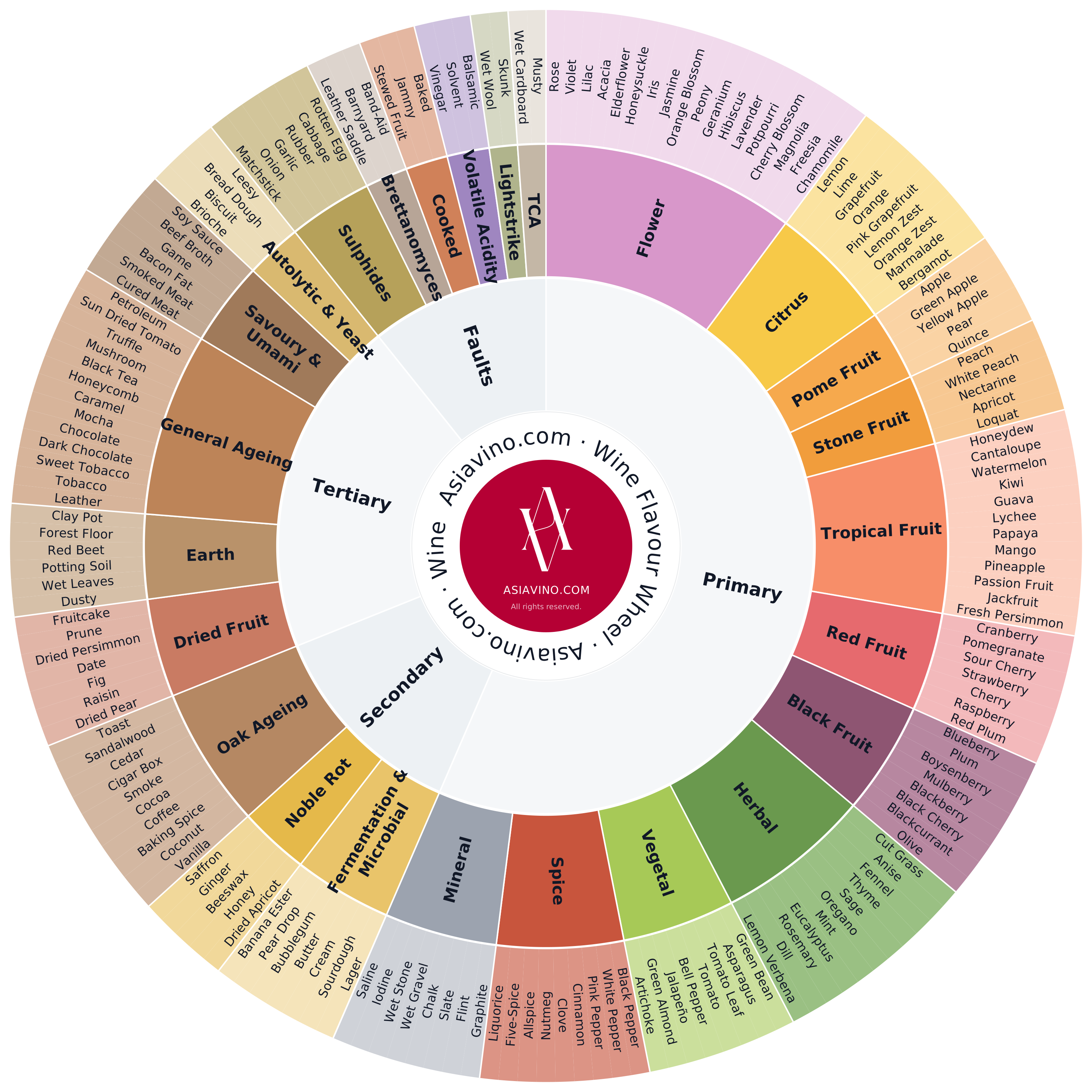
The Wine Flavour Wheel is a visual tool that helps organise and describe the vast range of aromas found in wine. It brings structure to the tasting experience by grouping scents into families such as fruit, floral, spice, or earthy notes.
Use the arrow keys to move around the wheel: left and right along a ring, up and down between rings. Press Enter to pin, Escape to release.
© Damien Magnenat, Asiavino.com. The Asiavino Wine Flavour Wheel is protected by copyright. All rights reserved: no reproduction, adaptation or distribution, in whole or in part, is permitted without written permission.
Point at a sector to explore it, or click to pin it.
Primary
Aromas carried by the grape itself, shaped by variety, climate and ripeness.
Secondary
Aromas created during fermentation and early winemaking, by yeast, bacteria and oak.
Tertiary
Aromas that develop with age, first in barrel and then in bottle.
Faults
Aromas that signal a problem, from contamination, spoilage or careless handling.
The Wine Flavour Wheel is a visual tool that helps organise and describe the vast range of aromas found in wine. It brings structure to the tasting experience by grouping scents into families such as fruit, floral, spice, or earthy notes.
By using the wheel, tasters can develop a shared vocabulary and train their sense of smell to recognise subtle nuances. Each aroma connects to the grape variety, the winemaking process, or the ageing of the wine, revealing its origin and character in every glass.
Start from the centre and move outward:
Wine schools, blogs and wine clubs may show the interactive wheel on their own pages, free of charge. Embedding it with this code is permitted as long as the credit link to Asiavino.com stays in place; any other reproduction still needs written permission.
Tasting is a simple routine anyone can learn: look, smell, sip and reflect. Use the wheel to find words for what you notice, one aroma at a time.
Read our complete guide to tasting wine01
Tilt your glass over a white surface and look at the colour, its depth and the rim. Is the wine clear or hazy? These observations can offer clues to the grape and age, but none tells the whole story.
Notice the tears running down the glass after a gentle swirl. They offer a rough clue to alcohol and viscosity, or how readily the wine flows, rather than a score for quality. Save your judgement of body for the sip.

02
Smell the wine before swirling, taking a gentle sniff for delicate aromas. Then swirl and smell again to see what opens up.
Work from the wheel's centre outwards: primary aromas come from the grape, secondary aromas develop during winemaking, and tertiary aromas develop with ageing. Choose a family, then a more precise word, such as citrus, then lime. Start with what you recognise; you do not need to find an aroma in every group.

03
Take a small sip and move it around your mouth. Notice sweetness, mouth-watering acidity, the drying grip of tannin, warming alcohol and body, meaning how light or weighty the wine feels.
Then turn to flavour. Do you recognise the aromas you smelled, or find something new? Follow how the flavours change from the first moment to the end of the sip. Fruit flavour does not necessarily mean the wine is sweet.

04
After swallowing or spitting, notice the finish: how long the flavours remain and which ones linger. Consider balance too. Do the fruit, sweetness, acidity, tannin and alcohol feel comfortable together, or does one dominate?
Write a short note on what you liked and why. Return to the wheel to check your words and build your aroma memory. Keep your own impression, even if someone else finds a different fruit or spice.

Choose one question for your tasting, then use the same routine for every glass.

Compare wines from the same vintage but different producers or vineyards. Keep the year constant and explore how place and winemaking shape the wines, noting what they share and where they differ.

Taste several vintages of the same wine. Explore the weather of each growing season and the changes that come with age, remembering that both influence what you find in the glass.

Hide the labels before pouring so names and reputations do not lead your judgement. Describe each wine before revealing it, and focus on what you enjoy rather than guessing correctly.

Keep the grape and region secret as well as the labels. Rely on colour, aroma, structure and balance, making a note of your observations before anyone reveals what is in the glass.
Choose tulip-shaped glasses and leave enough space for a gentle swirl.
Serve whites and sparkling wines cool, and reds slightly below room temperature, especially in warm weather.
Try sparkling, white, rosé, red, then sweet; within each group, move from lighter to fuller styles.
Offer water and plain crackers between wines, and give everyone time to pause.
Use small pours and provide a spittoon, so tasting need not mean finishing every glass.
Keep a printed wheel on the table and note each person's aromas before comparing impressions.
| Sparkling wines and Champagne | 6–8 °C |
|---|---|
| Light, crisp whites and rosé | 8–10 °C |
| Rich whites, such as oaked Chardonnay | 10–13 °C |
| Light reds, such as Pinot Noir or Gamay | 12–14 °C |
| Medium and full-bodied reds | 15–18 °C |
| Sweet wines, such as Sauternes | 8–10 °C |
| Port and fortified reds | 14–18 °C |
In a warm room, even a red wine gains from 15 to 20 minutes in the fridge before it is poured.

Hide the labels and let your senses decide. Our guide shows you how to host one with friends, step by step.
All the families and aromas of the wheel, with the wines where each one is typically found. Open a family to see its aromas.
Aromas carried by the grape itself, shaped by variety, climate and ripeness.
Floral notes arise from terpenes and norisoprenoids in aromatic grapes. They add lift, delicacy, and perfume, often signalling youth, freshness, and precise cool fermentations that preserve the most volatile scents.
Look for it in: Gewurztraminer, Muscat, Viognier and Torrontés are good starting points, alongside Pinot Noir and Nebbiolo wines such as Barolo and Barbaresco.
Citrus signals energy and crispness. Esters and thiols preserved by cool fermentation frame acidity and keep profiles vivid. Note how bitterness, zest, or candied peel shapes the wine's balance and length.
Look for it in: Sauvignon Blanc from Sancerre or Marlborough, dry Riesling, Albariño and Chablis offer useful examples, as do Champagne and other traditional-method sparkling wines.
Pome fruit signals freshness, structure, and gentle ripeness. These notes often feel crisp, clean, and structured, especially in wines with bright acidity and cool fermentations.
Look for it in: Unoaked Chardonnay, Chenin Blanc, Pinot Gris and Pinot Grigio are useful starting points, alongside sparkling Champagne, Crémant and Cava.
Stone fruit notes suggest fleshier ripeness and a softer, rounder mid-palate. They often appear when fruit is picked at fuller maturity, or when aromatic compounds emphasise peach and apricot-like warmth.
Look for it in: Viognier, ripe Riesling in dry or off-dry styles, Chenin Blanc, Alsace Pinot Gris and warm-climate Chardonnay offer good starting points.
Tropical notes come from esters and thiols in ripe grapes and warmer ferments. They broaden mid-palates and add generous, exotic fruit that remains fresh when acidity stays firm.
Look for it in: Marlborough Sauvignon Blanc, warm-climate Chardonnay and Gewurztraminer are good starting points, with lychee especially associated with Gewurztraminer.
Red fruit suggests brightness, moderate tannin, and youthful charm. These notes come from esters and lightly extracted phenolics that emphasise delicacy and lift.
Look for it in: Pinot Noir from Burgundy, Gamay from Beaujolais, Grenache, Sangiovese from Chianti and fruity rosés offer good examples to explore.
Black fruit reflects ripeness and depth. Warm sites and thicker skins boost phenolics, giving darker colour, richer mid-palates, and structured finishes.
Look for it in: Cabernet Sauvignon from Bordeaux or Napa, Malbec from Mendoza, Syrah or Shiraz, and Merlot are useful places to begin.
Herbal tones come from pyrazines, terpenes, and phenolics. They add freshness, outline structure, and connect fruit to place.
Look for it in: Sauvignon Blanc, Cabernet Franc and Carménère offer good starting points, with Grüner Veltliner and Vermentino providing further white-wine examples.
Vegetal tones come from methoxypyrazines and other green compounds. Managed well, they add freshness and definition without turning aggressive.
Look for it in: Cabernet Franc from Chinon, Carménère and cool-climate Cabernet Sauvignon are useful examples, alongside Sauvignon Blanc with green bean or asparagus notes.
Grape-derived spice comes from terpenes, rotundone, and related compounds. It adds aromatic tension, warmth, and detail independent of oak.
Look for it in: Syrah (black pepper), Grüner Veltliner (white pepper), Gewurztraminer, Zinfandel and Rhône blends offer different expressions of this family.
Mineral impressions evoke stone, salt, and steel. They reflect acidity, low fruit embellishment, and reductive handling that preserve clarity.
Look for it in: Chablis, Mosel Riesling, Sancerre, Santorini Assyrtiko and Champagne are familiar starting points for exploring stony or saline impressions.
Aromas created during fermentation and early winemaking, by yeast, bacteria and oak.
Yeast metabolism, autolysis, and bacterial conversions create savoury, creamy, and fruity ester notes. Handling choices determine whether these accents feel subtle or pronounced.
Look for it in: Beaujolais Nouveau can show banana and bubblegum; Chardonnay after malolactic fermentation, a process that softens acidity, can offer butter and cream.
Botrytis cinerea concentrates sugars and transforms aromatics. It introduces honeyed, spicy, and waxy notes that define many late harvest and botrytised wines.
Look for it in: Sauternes, Tokaji Aszú, Beerenauslese and Trockenbeerenauslese offer classic examples of sweet wines in which to explore these aromas.
Oak contributes lactones, vanillin, and toast-derived compounds. Species, toast level, and time define whether the result skews creamy, spicy, smoky, or sweetly caramelised.
Look for it in: Rioja Reserva and Gran Reserva, oak-aged Chardonnay from Burgundy or California, red Bordeaux and barrel-aged Malbec offer useful examples.
Aromas that develop with age, first in barrel and then in bottle.
As wines age or concentrate, fresh fruit shifts toward richer tones. Gentle oxidation, dehydration, and sugar concentration create dried-fruit aromas that add warmth, density, and sweetness while maintaining balance.
Look for it in: Amarone, Port, Pedro Ximénez sherry and aged Sauternes are useful starting points for exploring raisin, fig and other dried-fruit impressions.
Earth-driven notes arise with time as primary aromas recede. Gentle oxidation, microbial complexity, and bottle age reveal soil, leaf, and humus characters that anchor wines in place and add savoury resonance.
Look for it in: Mature red Burgundy, Barolo, aged Rioja and mature Northern Rhône Syrah are good places to explore this family.
Time refines texture and weaves wood, spice, and savoury notes into harmony. Gentle oxidation and polymerisation transform oak cues and fruit into complex scents that read composed, seamless, and quietly luxurious.
Look for it in: Mature Bordeaux and Barolo, aged Riesling with petroleum notes, and Tawny Port offer different ways to explore this family.
Long ageing and subtle reductive phases can yield savoury aromas that add depth and appetite appeal. These notes bring umami richness and shape full-bodied reds with soulful complexity.
Look for it in: Northern Rhône Syrah, mature Pinot Noir and Mourvèdre wines such as Bandol are useful starting points for these savoury impressions.
Extended lees ageing after primary development can reappear as a tertiary nuance. Autolysis deepens the tones of pastry, biscuit, and dough, polishing textures and adding quiet savoury complexity.
Look for it in: Champagne, Crémant, Cava and Franciacorta with extended ageing on spent yeast offer good starting points for bread, biscuit and brioche notes.
Aromas that signal a problem, from contamination, spoilage or careless handling.
Low oxygen and sulfur chemistry can create reductive odours. Some lift with air, but persistent faults mask fruit and clarity, leaving rubbery, cooked, or acrid tones that diminish freshness and precision.
What it means: Volatile sulphur compounds can cause these smells; swirling or decanting may help, but a faint matchstick note need not be faulty. If unpleasant egg or cabbage smells persist, ask the seller to check the bottle.
Spoilage yeast that creates phenolic, barnyard, and medicinal odours. Threshold and tolerance vary, but heavy Brett suppresses fruit and emphasises dryness and metallic edges on the finish.
What it means: This spoilage yeast can add savoury notes in small amounts. If medicinal or barnyard smells overwhelm the fruit, ask the seller for a replacement.
Excess heat during transport or storage can cook wine. Fruit becomes stewed, jammy, or baked, colour shifts, and freshness fades, yielding heavy, tired profiles with shortened, blurry finishes.
What it means: Excessive heat can leave wine dull, stale and stewed, though jammy fruit alone does not prove damage. Store bottles somewhere cool and dark; ask the seller to check a bottle you suspect is heat-damaged.
Excess acetic acid and ethyl acetate create acrid, solvent-like scents. Tiny hints can lift aroma, but high VA stings the nose and strips fruit clarity, leaving a thin, sharp finish.
What it means: Acetic acid and related compounds can create vinegar or solvent smells. If these dominate the wine, ask for a replacement rather than trying to fix it by decanting.
UV exposure creates off odours in delicate wines, especially in clear or green bottles. Lightstrike dulls fruit and replaces freshness with woolly, skunky notes that feel stale and abrupt.
What it means: Light exposure can damage wine, especially whites and sparkling wines in clear bottles. Keep bottles in the dark and ask for a replacement if wet-wool or skunky smells spoil the wine.
Cork taint from trichloroanisole suppresses aroma and freshness. Even low levels make wines seem dull, musty, and lifeless, with muted fruit and a stubborn, damp aftertaste.
What it means: TCA contamination, often from a tainted cork, can mute fruit and leave a musty smell. Air will not fix it; return the bottle to the seller.
A wine flavour wheel is a map of the aromas found in wine. It groups them from the centre outward: broad rings (primary, secondary and tertiary aromas, plus faults), then families such as citrus or spice, then precise aromas such as lemon zest or clove. It gives tasters a shared vocabulary for what they smell.
Smell the wine first without swirling, then swirl and smell again. Start at the centre of the wheel: decide whether the note comes from the grape, from winemaking or from age. Then move outward to the family, and finally to the precise aroma. There is no wrong answer: the wheel helps you put a word on what you already perceive.
Primary aromas come from the grape itself: fruit, flowers, herbs and minerals. Secondary aromas come from winemaking, such as fermentation, lees contact or oak. Tertiary aromas develop with time in bottle, such as leather, mushroom, honey or dried fruit.
The faults ring names smells that signal a problem, such as cork taint (wet cardboard), heat damage (stewed fruit) or excessive volatile acidity (vinegar). Some, like a light struck-match note, can fade with air. Choose a fault on the interactive wheel to see what it means and what to do.
The wheel describes 177 aromas in 25 families, across the primary, secondary and tertiary rings and a ring of common faults. Each aroma comes with an everyday analogy, and most with examples of the wines where it is typically found.
Yes. The printable PDF is free: create a free Asiavino account or sign in, and download it from this page. It is an A4 sheet, ready to print, with no payment card required.
Everyone's sense of smell and memory is different. One person may call a note grapefruit where another says lime, and both can be right. Tasting together with the wheel on the table is the best way to compare impressions and build a shared vocabulary.
Start with expressive, contrasting styles: an aromatic white such as Gewurztraminer or Muscat, a Sauvignon Blanc for citrus and herbs, a young Pinot Noir for red fruit, and an oak-aged red for vanilla and spice. Tasting them side by side makes each family easier to recognise.
You are welcome to share the link to this page. The wheel itself is protected by copyright (Damien Magnenat, Asiavino.com): it may not be reproduced, adapted or distributed, in whole or in part, without written permission.
A clear, beginner-friendly guide to reading wine labels. Learn how regions, grape varieties, classifications, and vintages shape what is inside each bottle.

A practical guide to choosing wine with confidence. Learn how to express your taste, food pairing needs, and budget so your wine expert can help you find the perfect bottle.

Discover how to identify wine aromas, understand where flavours come from and use the Wine Flavour Wheel to describe what you taste with confidence.

Most wines are meant to be enjoyed young, but a select few become deeper and more complex with time. This guide explains how wine ages, which bottles to cellar, and how to store them properly.

Master the essentials of wine cellaring: temperature, humidity, inventory, and selection to protect your wines and enjoy them at their perfect peak.

A practical, modern guide to choosing wines that elevate your dinner party. Explore pairing principles, spice levels, regional matches, and a simple lineup that suits any menu.