
How to Taste Wine and Train Your Palate
Explore the art of wine tasting and learn how to observe, smell, and taste like a professional. Understand how each sense reveals the balance, structure, and quality of a wine.
Asia's home for great wine

Discover the primary wine styles and what makes each one unique. From crisp whites to robust reds, rosé, orange, sweet, and fortified wines, this guide helps you choose and enjoy wine with confidence.
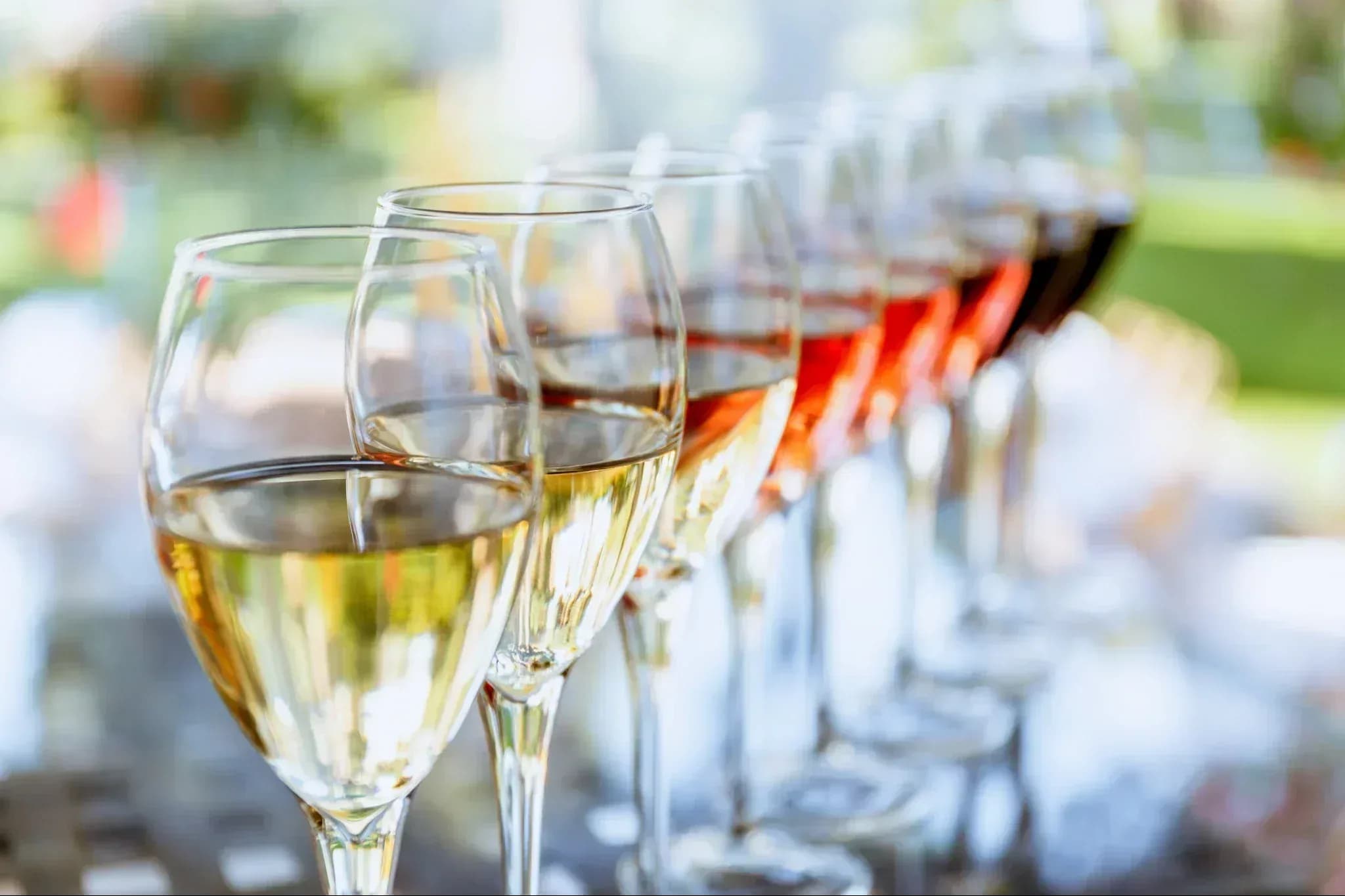
Wine expresses itself through a wide spectrum of styles, each shaped by grape variety, climate, and winemaking choices. From crisp whites to structured reds, from delicate rosé to expressive orange wines, and from sparkling to sweet and fortified classics, every style offers its own texture, aroma, and ideal moment.
This guide presents the major wine styles in a clear and intuitive way. For each one, you will find typical flavours, common grape varieties, key regions, winemaking methods, serving notes, and food pairings. It provides a solid foundation for anyone who wants to understand wine more deeply and choose bottles with confidence.

Sparkling wine is defined by its bubbles, created through a natural or induced secondary fermentation that traps carbon dioxide in the wine. This style ranges from bone-dry and mineral to rich and creamy, depending on the method and region. Traditional-method wines, such as Champagne, spend extended time ageing on the lees, which adds layers of complexity and a fine, persistent mousse. Tank-method wines, such as many Proseccos, focus on fresh fruit and an easygoing, accessible style.
In the glass, sparkling wines range from pale lemon to deep gold, with streams of fine or more generous bubbles that influence the sensation on the palate. High acidity is a defining trait, giving these wines their refreshing character and making them extremely food-friendly. Cooler climates tend to produce taut, citrus-driven styles, while warmer areas can give riper fruit and a rounder texture.
Citrus, green apple, pear, white peach, brioche, almond, and floral notes. Extended lees ageing can add flavours of pastry, biscuit, cream, and hazelnut.
Chardonnay, Pinot Noir, and Pinot Meunier in Champagne and many traditional-method regions. Glera for Prosecco. Chenin Blanc in the Loire Valley. Local varieties in regions such as Cava, Franciacorta, England, and the New World.
Champagne, Franciacorta, Trento, Prosecco, Cava, Loire Valley, England, coastal California, Tasmania, and other cool-climate sites around the world.
Traditional-method wines undergo secondary fermentation in the bottle, followed by ageing on the lees, riddling, disgorgement, and dosage. Tank-method wines ferment in pressurised vessels, preserving primary fruit. There are also ancestral and other hybrid methods that produce more rustic wines, sometimes lightly cloudy.
Serve well chilled, typically around 6-10 °C (43-50 °F). A tulip-shaped sparkling wine glass is ideal, as it preserves the bubbles while allowing aromas to open.
Perfect with salads, seafood, light pasta, delicately spiced Asian dishes, or simply enjoyed as an elegant aperitif. The acidity and bubbles cut through salt and fat, making sparkling wine one of the most versatile styles at the table.

Light-bodied white wines are all about freshness, purity, and lift. They are typically fermented in stainless steel and bottled young to capture their vibrant aromatics and high acidity. These wines feel agile on the palate and leave the mouth clean and refreshed, making them ideal for warm weather or as an aperitif.
Visually, they tend to be pale lemon or greenish in hue, with a bright, youthful appearance. The flavour profile often highlights citrus, green fruits, and sometimes a herbal edge, especially in cooler climates. Warmer regions can yield slightly more stone fruit while maintaining a light, crisp style.
Lemon, lime, grapefruit, green apple, pear, melon, white peach, fresh herbs, saline or mineral notes.
Sauvignon Blanc, Pinot Grigio, Grüner Veltliner, Albariño, Vermentino, Trebbiano, some styles of Chenin Blanc and Riesling.
Marlborough and other regions of New Zealand, the Loire Valley, northern Italy, Rías Baixas, Vinho Verde, cool coastal regions in Chile and South Africa, and selected high-altitude sites worldwide.
Most light-bodied whites are fermented at cool temperatures in stainless steel or inert vessels to preserve aromatics and crisp acidity. They are usually bottled within a year of harvest with minimal oak influence and relatively short ageing.
Serve chilled, around 7-10 °C (45-50 °F), in a standard white wine glass to highlight the aromas and freshness.
Perfect with salads, seafood, light pasta, delicately spiced Asian dishes, or enjoyed on a sunny day. Their acidity and subtle fruit make them excellent partners for raw or lightly cooked ingredients.

Full-bodied white wines offer more weight, texture, and often a richer mouthfeel. They can show ripe fruit and are frequently shaped by oak ageing, malolactic fermentation, or extended lees contact. These techniques add creaminess, complexity, and structure, allowing the wines to pair with more substantial dishes.
In the glass, they usually appear deeper in colour, ranging from medium lemon to golden. On the palate, the acidity can still be present but is softened by the wine’s body and texture. Warmer climates tend to give tropical and ripe stone-fruit flavours, whereas cooler regions retain more tension and minerality.
Pineapple, ripe apple, peach, pear, citrus curd, vanilla, hazelnut, almond, cream, butter, honey, subtle toast, and spice.
Chardonnay, Semillon, Viognier, Roussanne, Marsanne, some styles of Chenin Blanc, and white Rioja blends.
Burgundy, Napa Valley, Sonoma Coast, Margaret River, white Rhône blends, Bordeaux whites, and certain South African and Chilean coastal regions.
Full-bodied whites may be fermented or aged in oak barrels, sometimes with malolactic fermentation to soften acidity and add buttery notes. Lees stirring (bâtonnage) can increase creaminess and complexity. The wines usually spend more time ageing before release compared to light-bodied whites.
Serve slightly chilled, around 10-13 °C (50-55 °F), in a medium-sized white wine or universal glass. If served too cold, the texture and oak influence will be muted. If served too warm, the wine can feel heavy.
Perfect with roasted poultry, richer seafood dishes, creamy sauces, mushrooms, and warmly spiced vegetables. Their structure and texture allow them to withstand dishes that might overpower lighter whites.

Aromatic white wines are defined by their expressive, often perfumed nose. These wines can be dry, off-dry, or sweet, but the key feature is their intense aroma profile. Natural grape compounds such as terpenes contribute floral, spicy, or exotic notes that make these wines immediately recognisable in the glass.
They are typically pale to medium in colour and can show a wide range of sweetness levels. Even in dry versions, the aroma's intensity can give a sense of richness. Their acidity is often high, balancing any residual sugar and keeping the wines lively.
Honeysuckle, jasmine, rose, orange blossom, pear, peach, apricot, lychee, citrus peel, spice, beeswax, and honey in aged examples.
Riesling, Gewürztraminer, Muscat, Chenin Blanc, Torrontés, some styles of Pinot Gris and Grüner Veltliner.
Mosel and Rheingau in Germany, Alsace, Wachau, Loire Valley, Finger Lakes, parts of Australia and New Zealand, and high-altitude sites in South America.
Aromatic whites are usually fermented at cool temperatures to preserve delicate aromatics. Some are made completely dry, others off-dry or fully sweet. Long, slow fermentation and careful handling in the cellar help protect the aromatic profile. Some styles benefit from bottle ageing, which introduces honeyed and petrol-like notes in varieties such as Riesling.
Serve lightly chilled, around 8-11 °C (46-52 °F). Use a slightly tulip-shaped white wine glass that focuses the aromatic intensity.
Perfect with fresh cheeses, seafood, lightly spiced Asian dishes, and vegetarian plates with aromatic herbs. Off-dry versions excel with spicy cuisines where a touch of sweetness balances the heat.

Orange wine is made from white grapes fermented and macerated on their skins, a technique more commonly associated with red winemaking. This skin contact gives the wine an amber-to-orange colour, gentle to firm tannins, and a distinctive texture. The style often features a combination of dried fruit, tea-like notes, and savoury complexity.
In the glass, orange wines range from pale copper to deep amber. The palate can feel grippy due to tannins, yet the wine often retains the acidity of white grapes. Many are made with little or no new oak and can be bottled with minimal intervention, sometimes resulting in a slightly cloudy appearance.
Dried orange peel, apricot, peach skin, tea, nuts, honey, dried flowers, herbs, and subtle oxidative notes depending on the style.
Pinot Grigio, Sauvignon Blanc, Ribolla Gialla, Rkatsiteli, Malvasia, and many indigenous varieties from Georgia, Italy, Slovenia, and beyond.
Georgia, Friuli, and other parts of northeastern Italy, Slovenia, Austria, as well as experimental producers in many New World regions.
White grapes are crushed and left in contact with their skins for days, weeks, or even months during fermentation. This extracts colour, tannins, and phenolic compounds. Some wines are aged in amphorae, large neutral casks, or concrete, often with minimal filtration and low sulfite additions.
Serve slightly cool, around 12-14 °C (54-57 °F). A white or universal wine glass works well. Some styles benefit from a brief decant to open up their aromatics.
Perfect with mezze and shared platters, grilled vegetables, dishes with olive oil and herbs, fermented or pickled foods, and umami-rich cuisines such as Japanese, Korean, or Middle Eastern dishes.

Rosé is produced from red grapes with only a short period of skin contact, which gives the wine its pink colour and very gentle tannins. The style spans pale, bone-dry wines with crisp acidity to deeper-coloured, fruitier versions with more weight. Rosé combines the refreshing character of whites with hints of red fruit.
The colour can range from the palest salmon to bright pink or even light ruby, depending on grape variety, maceration time, and region. Aromas typically highlight fresh red fruits and citrus, and the palate can be linear and mineral or more rounded and juicy.
Strawberry, raspberry, redcurrant, watermelon, citrus, melon, peach, herbs, sometimes a subtle saline note.
Grenache, Syrah, Cinsault, Mourvèdre, Carignan, Pinot Noir, Sangiovese, Tempranillo, and many Mediterranean varieties.
Provence, Tavel, Languedoc, Navarra, Rioja rosado, California, Mediterranean coastal regions, and many cool-climate New World sites.
Rosé is commonly produced by direct pressing red grapes or by short skin maceration before pressing. Another method is saignée, where juice is bled off from red wine ferments. Most rosés are fermented at cool temperatures in stainless steel to preserve freshness.
Serve chilled, around 8-11 °C (46-52 °F), in a white or universal wine glass. Most rosés are best enjoyed young to capture their fruit and vibrancy.
Perfect with salads, seafood, grilled vegetables, light meats, and shared platters. Dry rosé pairs well with a mix of flavours at the table.

Light-bodied red wines are typically pale in colour with delicate tannins and bright acidity. They emphasise red fruit, floral notes, and subtle spice rather than power. Many are highly drinkable and can be served slightly chilled, enhancing their freshness and making them ideal for casual dining.
These wines are often made from thin-skinned grape varieties and sometimes use whole-bunch fermentation or carbonic maceration to boost fruitiness and soften tannins. They are usually meant to be enjoyed young, highlighting their primary fruit and purity.
Cranberry, red cherry, raspberry, strawberry, pomegranate, rose, violet, soft spices, and mushrooms in more complex examples.
Pinot Noir, Gamay, Schiava, Zweigelt, some styles of Cinsault and Nerello Mascalese.
Burgundy, Beaujolais, Alto Adige, Etna, Austria, regions of New Zealand, Oregon, and cooler coastal or high-altitude sites worldwide.
Light-bodied reds may use whole-cluster fermentation, semi-carbonic or carbonic maceration, and are often aged in neutral vessels rather than new oak. Extraction is typically gentle to keep tannins soft and colour light.
Serve lightly chilled, around 12-15 °C (54-59 °F), in a Burgundy or universal red wine glass. A slight chill enhances the fruit's freshness.
Perfect with poultry, charcuterie, grilled vegetables, and soft to semi-firm cheeses. They also work well with dishes that might overwhelm delicate whites but do not require heavy tannins.

Medium-bodied red wines sit between delicate and powerful. They offer enough structure for serious food pairing while remaining approachable and flexible. Fruit, tannins, and acidity are usually in balance, making this style a favourite for everyday drinking and restaurant lists.
The colour is often medium ruby or garnet, and the flavour profile can range from red fruits to darker berries, with herbs, spice, and sometimes a touch of oak. Many classic European appellations and New World regions produce wines that fall into this category.
Black cherry, plum, red berries, dried herbs, gentle spice, tobacco, earthy notes, cured meat in more traditional styles.
Merlot, Cabernet Franc, Sangiovese, Tempranillo, Carmenere, Grenache, some styles of Zinfandel and Barbera.
Bordeaux and Right Bank blends, Chianti and other Sangiovese-based wines, Rioja and Ribera del Duero, Rhône blends, many appellations in Australia, South America, and North America.
Medium-bodied reds are typically fermented on skins for a moderate period to extract colour and tannin, then aged in a mix of stainless steel, concrete, or oak. Oak influence can range from subtle to more pronounced, depending on the producer and style.
Serve around 15-18 °C (59-64 °F) in a standard red wine glass. A brief decant can help young wines open up and show their full aromatics.
Perfect with roasted meats, tomato-based sauces, grilled vegetables, and nutty cheeses. Their balance makes them reliable partners for a wide variety of dishes.

Full-bodied red wines are powerful, deeply coloured, and rich in tannins. They have a firm structure and often higher alcohol, which gives a sense of warmth and weight on the palate. Many of the most age-worthy wines in the world fall into this category.
These wines usually come from thicker-skinned grapes grown in warmer or sunnier regions. Flavours lean toward dark fruits, with notes of spice, tobacco, leather, and oak-derived characters in many examples. With time, they can develop complex tertiary aromas and a more harmonious texture.
Blackberry, blackcurrant, dark cherry, plum, liquorice, black pepper, tobacco, cedar, cocoa, leather, savoury herbs.
Cabernet Sauvignon, Malbec, Syrah, Montepulciano, Petit Verdot, Tannat, blends such as Bordeaux, Rhône, and many New World cuvées.
Bordeaux, Napa Valley, Barolo and Barbaresco, northern Rhône, Mendoza, Ribera del Duero, Priorat, many premium sites in Australia, South Africa, Chile, and the United States.
Grapes are often harvested at full ripeness, then fermented on their skins with significant extraction to build colour and tannin. Ageing in oak barrels, sometimes new, is common and can last many months or years. The wines may benefit from further bottle ageing before reaching their peak.
Serve around 16-18 °C (60-64 °F) in a large red wine glass. Decant young or structured wines for at least 30-60 minutes to soften tannins and release aromas.
Perfect with steaks, slow-cooked dishes, grilled lamb, hearty stews, and richly flavoured vegetables or legumes. Their power and structure match best with equally bold flavours.

Sweet wines are made by concentrating the natural sugars of grapes so that fermentation cannot convert all of them into alcohol. The result is a wine with noticeable sweetness that can range from gentle and refreshing to intensely luscious. The finest examples balance this richness with acidity, creating a long, vibrant finish.
There are several classic ways to create sweet wines: late harvesting, noble rot, drying grapes, freezing grapes for icewine, or stopping fermentation early. Each technique gives a slightly different texture and flavour profile, but all share a sense of opulence compared to dry wines.
Apricot, peach, candied citrus, pineapple, mango, honey, marmalade, flowers, sometimes spice and nutty notes in evolved bottles.
Sémillon and Sauvignon Blanc in botrytised wines, Furmint for Tokaji, Riesling for late harvest and icewine, Muscat for aromatic sweet wines, many local varieties for passito or dried-grape styles.
Sauternes and Barsac, Tokaj, German and Austrian late-harvest and icewine sites, Canadian icewine regions, Italian passito appellations, various Mediterranean and New World producers.
Sweet wines are produced through methods such as allowing grapes to overripen on the vine, encouraging noble rot, drying grapes after harvest, freezing grapes and pressing them while frozen, or stopping fermentation before all sugars are converted to alcohol. These techniques create concentrated musts and high residual sugar levels.
Serve chilled, around 8-12 °C (46-54 °F), in a small white or dessert wine glass. Many sweet wines can age for decades, developing layers of dried fruit, honey, and spice.
Perfect with fruit tarts, creamy desserts, mildly spiced Asian dishes, soft or blue cheeses, or sipped on their own as a luxurious sweet finish.

Fortified wines have grape spirit added during or after fermentation, which increases the alcohol level and shapes the final style. Depending on when the spirit is added, the wine can be dry or sweet. Fortified wines include some of the world’s most complex and long-lived styles, with a spectrum that runs from bone-dry and saline to intensely rich and sweet.
The ageing process is often central to fortified wine character. Some are matured in oxidative conditions, developing deep colours and flavours of nuts, caramel, and spice. Others are kept under a protective layer of flor yeast or in dynamic systems such as solera, which adds complexity over time.
Dried fruits, fig, date, caramel, toffee, roasted nuts, coffee, cocoa, spice, rancio notes, saline or yeasty characters in some dry styles.
Touriga Nacional and other Portuguese varieties for Port, Palomino and Pedro Ximénez for Sherry, Malvasia and other grapes for Madeira, local varieties for Marsala and other regional fortified wines.
Douro Valley for Port, Jerez for Sherry, Madeira, Sicily for Marsala, and various smaller fortified wine regions worldwide.
Grape spirit is added during fermentation to retain sweetness, or after fermentation for dry styles. The wines are then aged in barrels, casks, or unique systems such as solera, often under varying temperature and oxidation conditions. This long, complex ageing is responsible for many of their distinctive aromas and flavours.
Serving temperature depends on the style. Lighter, drier fortified wines can be served slightly chilled, around 10-14 °C (50-57 °F). Richer, sweeter styles are often served closer to room temperature, around 14-18 °C (57-64 °F), in small glasses that focus the aromas.
Perfect with hard and blue cheeses, chocolate desserts, roasted nuts, dried fruit desserts, or served alone as a contemplative end to the meal. Dry fortified wines also work beautifully as aperitifs with olives, almonds, or tapas.
By understanding these styles, you gain the tools to read wine lists and labels with more confidence, select bottles that match your taste, and plan pairings with ease. Each style reflects a particular way of expressing grape variety, climate, and craftsmanship, revealing the incredible diversity that wine can offer. As you explore these categories, you begin to recognise patterns, discover new regions, and appreciate the subtle choices that shape every bottle. This knowledge enables a richer, more intuitive, and more enjoyable wine experience.
Explore the art of wine tasting and learn how to observe, smell, and taste like a professional. Understand how each sense reveals the balance, structure, and quality of a wine.

New Latitude Wines are crafted outside the 30-50° wine belt. Discover how winemakers adapt to tropical heat and northern cold to create distinctive wines in emerging regions.

Master the essentials of wine cellaring: temperature, humidity, inventory, and selection to protect your wines and enjoy them at their perfect peak.