
How to Taste Wine and Train Your Palate
Explore the art of wine tasting and learn how to observe, smell, and taste like a professional. Understand how each sense reveals the balance, structure, and quality of a wine.
Asia's home for great wine

Explore the modern scientific view on wine, health, longevity, and alcohol risk. A balanced, evidence-based perspective for today’s wine drinkers.
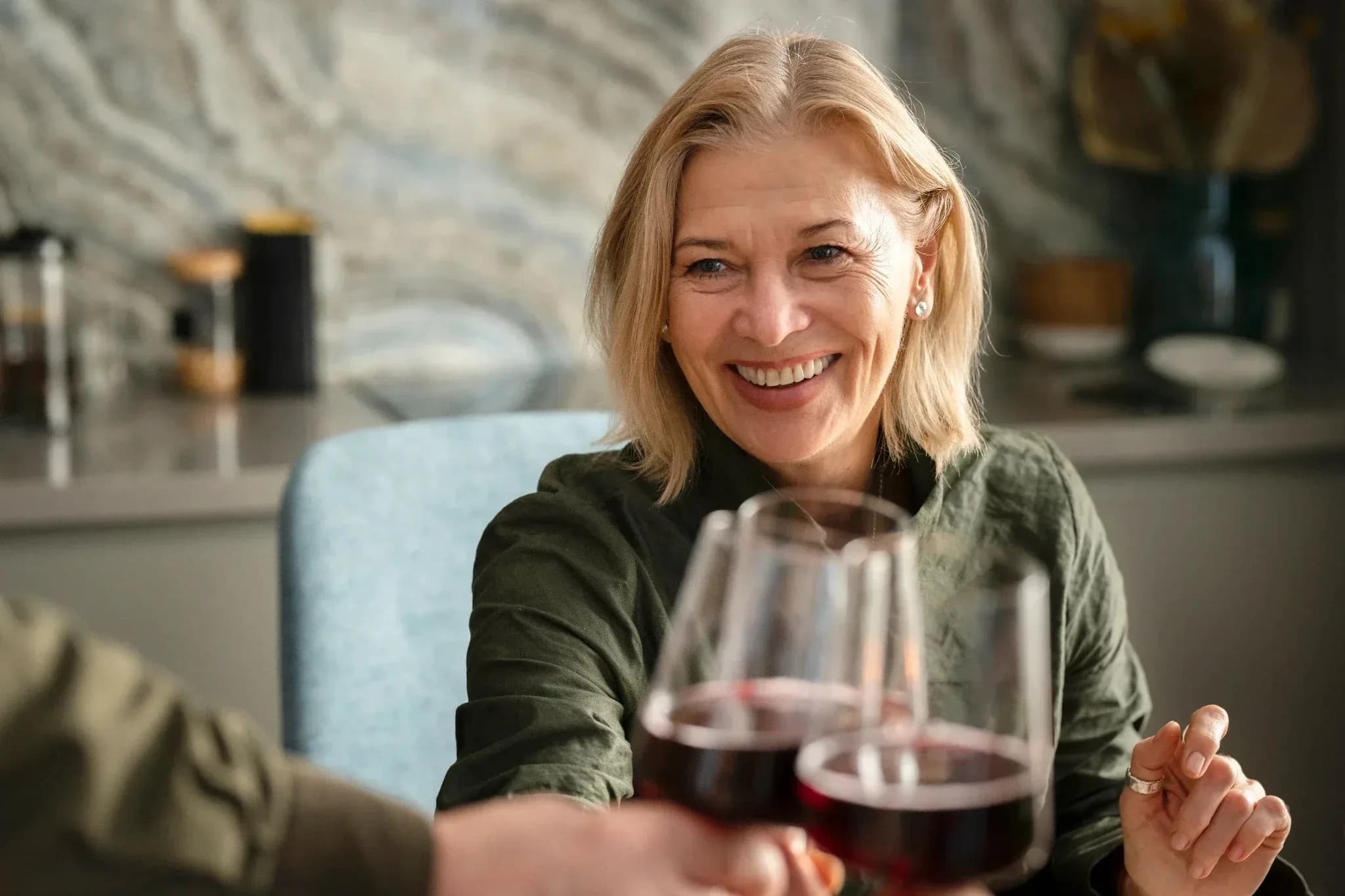
Wine has accompanied human civilisation for thousands of years, shaping agriculture, trade, and social ritual. Over time, however, our understanding of its impact on the human body has evolved significantly. Today, wine is no longer viewed through a medicinal lens, but rather as a cultural and sensory pleasure that calls for an informed and balanced approach.
Modern research invites us to move beyond simplistic health claims and to consider wine within a broader lifestyle context that values moderation, awareness, and social connection.
In many regions, from Mediterranean Europe to East Asia, wine is traditionally consumed with meals and within a social framework. Its value lies in craftsmanship, terroir, and the moments it accompanies rather than in any physiological promise.
Contemporary wellness research increasingly recognises that social connection, shared meals, and mindful enjoyment play a meaningful role in overall well-being. In this sense, wine belongs more to the art of living than to the pursuit of health optimisation.
Over the past decade, large-scale population studies and improved research methods have reshaped how scientists interpret alcohol data. Earlier narratives suggesting protective effects from moderate drinking have been reassessed in light of more robust evidence.
As a result, wine is no longer promoted as a health strategy. A modern perspective favours informed choice, moderation, and individual context.

Red wine contains polyphenols, including resveratrol, derived from grape skins. While these compounds show interesting effects in laboratory settings, the concentrations found in wine are too low to reproduce those outcomes reliably in humans.
For antioxidant intake, nutrition science consistently points toward non-alcoholic sources such as fruits, vegetables, legumes, nuts, olive oil, tea, and whole grains. These foods provide beneficial compounds without the risks associated with alcohol.
Wine can be appreciated for its sensory qualities and gastronomic role, but it should not be framed as a functional source of antioxidants.
Research into long-living populations highlights the importance of lifestyle patterns rather than individual foods or beverages. Longevity is often associated with habits that are sustainable, socially supported, and practised consistently over time.
Factors most often linked to healthy ageing include:
Wine may appear in some long-lived cultures, but typically as a small, contextual element enjoyed with meals rather than as a driver of longevity.
Many individuals of East Asian heritage experience a reaction commonly known as Asian Flush. This response is associated with a genetic variation in the aldehyde dehydrogenase enzyme, which plays a key role in metabolising acetaldehyde, a toxic byproduct of alcohol metabolism.
Symptoms may include facial redness, nausea, headaches, dizziness, rapid heartbeat, and discomfort shortly after drinking.
This reaction should not be dismissed as harmless. Elevated acetaldehyde levels are associated with a higher risk of alcohol-related cancers, even at low levels of consumption. For individuals who experience flushing, limiting or avoiding alcohol is generally advised, and medical guidance may be appropriate.
Asian Flush is best understood as a biological warning signal rather than an indicator of low tolerance.
As consumers become more attentive to health, sustainability, and transparency, wine preferences are evolving accordingly.
These trends reflect a broader shift toward intentional enjoyment rather than habitual consumption.
Wine today is best understood not as a health enhancer, but as a cultural pleasure rooted in history, agriculture, and human connection.
When enjoyed thoughtfully, occasionally, and in appropriate contexts, wine can remain part of a refined lifestyle without being framed as beneficial or necessary for health or longevity.
Informed choice, personal awareness, and respect for individual differences now define a modern and responsible relationship with wine.
Editorial note: This article is for general information only and does not replace professional medical advice. Individuals with health concerns or alcohol sensitivity should consult a qualified healthcare professional.
Explore the art of wine tasting and learn how to observe, smell, and taste like a professional. Understand how each sense reveals the balance, structure, and quality of a wine.

New Latitude Wines are crafted outside the 30-50° wine belt. Discover how winemakers adapt to tropical heat and northern cold to create distinctive wines in emerging regions.

Master the essentials of wine cellaring: temperature, humidity, inventory, and selection to protect your wines and enjoy them at their perfect peak.