
How to Taste Wine and Train Your Palate
Explore the art of wine tasting and learn how to observe, smell, and taste like a professional. Understand how each sense reveals the balance, structure, and quality of a wine.
Asia's home for great wine

Discover how to keep wine fresh and expressive in tropical climates with practical guidance on storage, serving temperatures, and wine style selection.
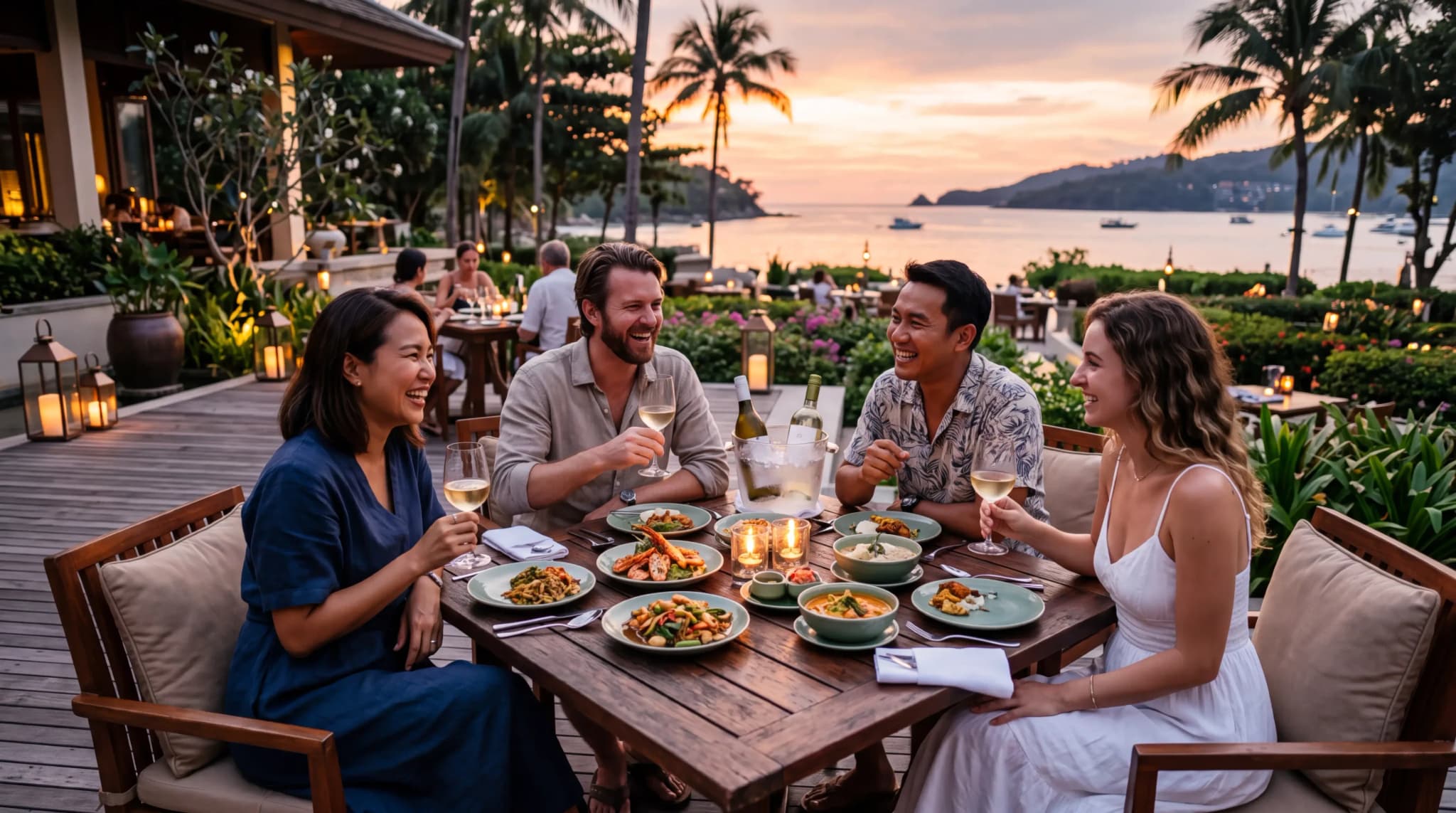
Wine behaves differently in tropical regions. Heat accelerates oxidation, humidity complicates storage, and a glass can warm noticeably within minutes. In places where temperatures often exceed 30 °C (86 °F), the serving traditions developed in cooler climates require thoughtful adaptation. With the right approach, wine can remain bright, balanced, and expressive even in the warmest environments.
This guide explores how tropical conditions influence wine and offers practical, refined methods to preserve freshness, structure, and aromatic clarity throughout the drinking experience.
Temperature is one of the most influential external factors affecting wine quality. In hot climates, aromas volatilise quickly, acidity softens, and alcohol becomes more prominent. Whites and rosés may lose definition, while reds can feel heavier and less structured.
Protecting wine begins with stable temperature and an environment that minimizes light, heat, and vibration. In tropical climates, room temperature is too warm for long-term preservation, making controlled storage especially valuable.
A dedicated wine refrigerator provides the consistent conditions required for ageing. It protects against temperature fluctuations and prevents label deterioration caused by ambient humidity.
In the absence of a wine refrigerator, the kitchen refrigerator is the safest short-term solution. While colder and drier than ideal for ageing, it preserves freshness far more effectively than warm ambient conditions.
Serving temperature has an immediate influence on aroma, texture, and balance. In tropical climates, wine warms quickly once poured, so beginning slightly cooler helps maintain its character throughout the glass.
The goal in tropical settings is not rigid adherence to charts but a focus on freshness, balance, and the natural expression of the wine.
High humidity ensures that glasses develop condensation almost immediately. This subtle heat transfer warms the wine faster than in dry climates.

Consistency of temperature is key to enjoying wine in warm climates. Traditional ice buckets remain highly effective, especially when filled with a water-ice mixture for even cooling. Insulated bottle sleeves provide a convenient option for home or outdoor dining.
When drinking outside, keep bottles shaded or indoors between pours to prevent unnecessary warming, particularly for delicate or aged wines.
Certain wines naturally excel in tropical environments thanks to their acidity, aromatic clarity, and moderate alcohol. These styles retain energy and balance even as temperatures rise.
Richer, high-alcohol wines can feel weighty in the heat. They reveal their structure more clearly during cooler evenings or in air-conditioned dining rooms.
Tropical cuisine often highlights spice, acidity, aromatics, or coconut richness. When matched thoughtfully, wine can enhance these elements and create harmony at the table.
Keeping wine cool in the tropics sometimes calls for practical solutions. While adding ice is traditionally avoided, certain methods help maintain temperature without compromising quality.
Enjoying wine in tropical climates is less about changing traditions and more about thoughtful adaptation. With proper storage, careful temperature management, and a selection of styles suited to warm environments, each bottle can remain expressive from the first sip to the last.
Wine is ultimately an experience of pleasure, balance, and connection. With these considerations in mind, it can be enjoyed confidently and gracefully in any tropical setting.
Explore the art of wine tasting and learn how to observe, smell, and taste like a professional. Understand how each sense reveals the balance, structure, and quality of a wine.

New Latitude Wines are crafted outside the 30-50° wine belt. Discover how winemakers adapt to tropical heat and northern cold to create distinctive wines in emerging regions.

Master the essentials of wine cellaring: temperature, humidity, inventory, and selection to protect your wines and enjoy them at their perfect peak.