
How to Taste Wine and Train Your Palate
Explore the art of wine tasting and learn how to observe, smell, and taste like a professional. Understand how each sense reveals the balance, structure, and quality of a wine.
Asia's home for great wine
A comprehensive guide to China’s wine regions, exploring terroir, climate, grape varieties, and the structural realities shaping modern Chinese wine.
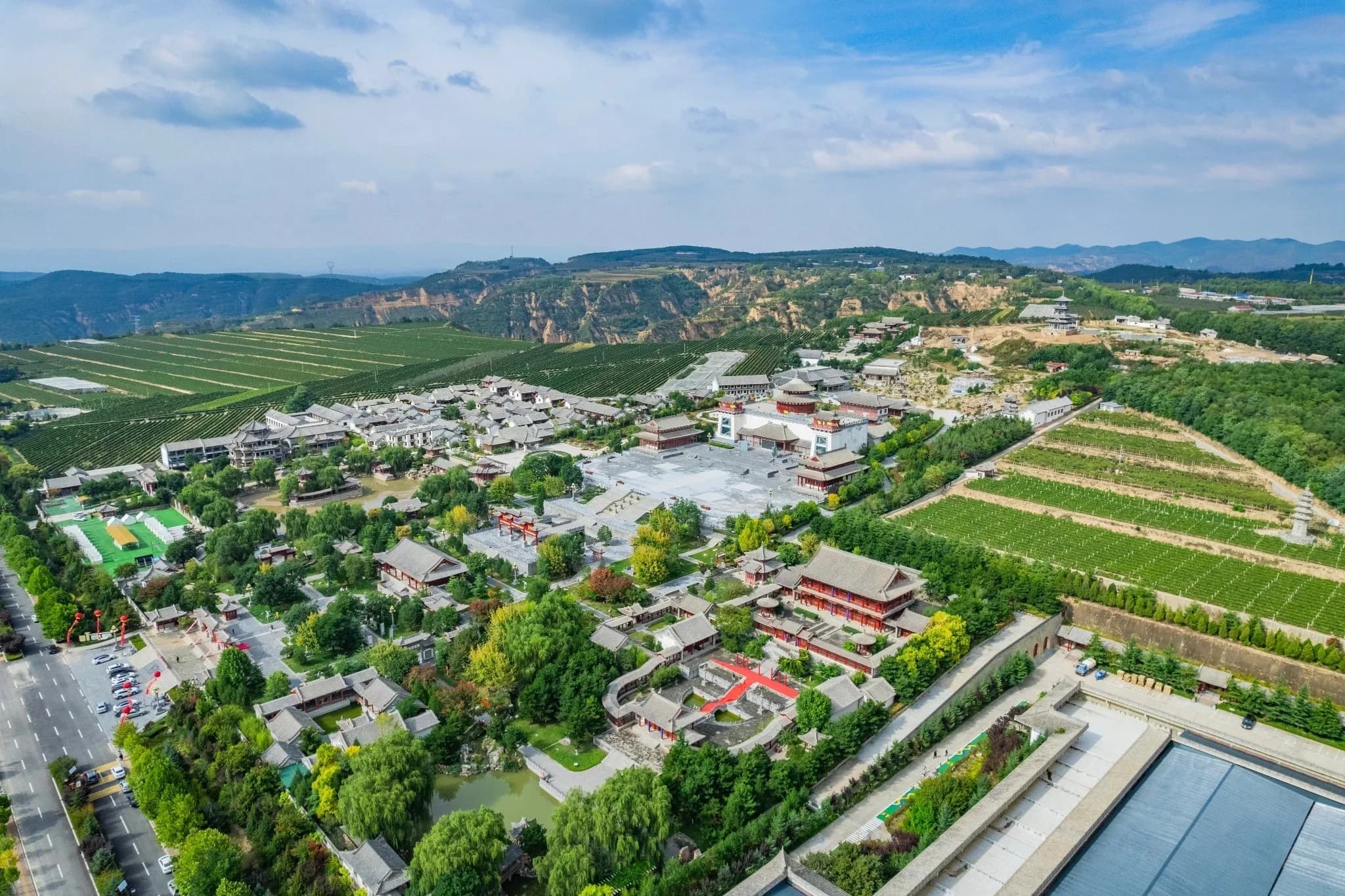
China is now one of the world’s most geographically diverse wine-producing countries. From coastal maritime zones to high-altitude mountain valleys and arid desert plateaus, its vineyards span a continental scale that few wine nations can match.
While archaeological evidence confirms that fermented beverages existed in China over 9,000 years ago, the modern wine industry is a recent and fast-evolving construction. Over the past decades, the focus has shifted decisively from volume-driven production toward terroir expression, viticultural precision, and stylistic clarity. Today, China’s leading wine regions are increasingly defined not by administrative borders, but by climate, altitude, soils, and emerging subregional identities.
This cornerstone guide explores China’s principal wine regions through a terroir-driven lens, highlighting the structural realities that shape Chinese wines and explaining why they are gaining relevance on the global wine map.

Understanding Chinese wine requires moving beyond provincial labels and examining the shared viticultural forces that influence quality, style, and economic viability across regions. These factors are not abstract concepts. They shape vineyard design, labour requirements, production costs, and long-term positioning.
Among these, Marselan has emerged as one of the most successful modern plantings in China. A cross between Cabernet Sauvignon and Grenache, it adapts well to both humid eastern climates and arid western zones, producing deeply coloured, aromatic wines with balanced structure.
Profile: Coastal powerhouse and historical centre of modern Chinese wine
Shandong remains China’s largest wine-producing province by volume and one of its most influential regions historically. Located along the Shandong Peninsula, vineyards benefit from maritime influence, abundant sunlight, and extended growing seasons.
Key areas such as Yantai and Penglai combine rolling hills with well-drained soils. Vines in this area generally do not require winter burial. However, summer rainfall and humidity can be intense, making canopy management and disease control central to quality.
Coastal expertise: Estate-led projects in Shandong have focused on mastering maritime conditions, demonstrating that with precise vineyard management, the region can produce wines defined by freshness, texture, and restraint.
Signature grapes: Cabernet Sauvignon, Cabernet Gernischt, Chardonnay, Riesling, Syrah
Typical styles: Medium-bodied reds with dark fruit and moderate tannins, alongside fresh dry whites with citrus, orchard fruit, and saline lift.

Profile: Birthplace of China’s dry wine tradition
Hebei played a foundational role in the development of modern Chinese wine, producing some of the country’s first recognised dry red and white wines. Changli and Shacheng form the core production zones, shaped by plains and foothills protected by nearby mountain ranges.
Cold winters and periodic fungal pressure require careful site selection and vine protection. The region also holds cultural significance through the Dragon Eye grape, a traditional variety producing distinctive aromatic whites.
Signature grapes: Dragon Eye, Cabernet Sauvignon, Merlot, Marselan, Chardonnay
Typical styles: Floral, lightly structured whites and approachable reds with soft tannins and clear fruit expression.

Profile: China’s flagship fine wine region
Situated along the eastern foothills of the Helan Mountains, Ningxia is widely regarded as China’s leading region for fine wine. Its arid continental climate delivers intense sunlight, low rainfall, and significant diurnal temperature variation.
Winters are severe, and vines must be buried to survive freezing temperatures. Combined with controlled irrigation from the Yellow River, this creates a tightly managed growing environment that rewards precision and long-term investment.
Estate-driven development: Ningxia’s rise has been shaped by a small group of estate-led wineries that invested early in vineyard zoning, low yields, and technical refinement. Their collective work helped establish a regional identity centred on balance, structure, and ageing potential.
Signature grapes: Cabernet Sauvignon, Merlot, Cabernet Gernischt, Marselan, Chardonnay
Typical styles: Cabernet-led blends with firm structure, mineral tension, and increasing emphasis on restraint and longevity.

Profile: Loess plateaus and balanced continental wines
Shanxi’s vineyards are planted on loess soils with excellent drainage. A long ripening season allows aromatic development while preserving freshness, particularly in higher-altitude sites.
Quality-led estates: The emergence of quality-focused wineries has helped refine viticultural practices and demonstrate the region’s potential for elegant, continental styles.
Signature grapes: Chardonnay, Cabernet Sauvignon, Merlot, Cabernet Franc, Riesling
Typical styles: Elegant reds and textured whites emphasising balance, purity, and aromatic clarity.
Profile: High-altitude viticulture in dramatic mountain terrain
Yunnan represents one of China’s most distinctive wine landscapes. Vineyards are planted at high altitude in mountainous river valleys, where intense sunlight is tempered by cool nights and constant airflow.
Parcel-based viticulture: Because vineyards are fragmented and often village-based, wineries operate through selective harvesting and micro-vinification, reinforcing Yunnan’s identity as a source of site-driven, high-altitude wines.
Signature grapes: Cabernet Sauvignon, Chardonnay, Rose Honey
Typical styles: Fresh, high-altitude reds with aromatic lift and whites defined by tension, clarity, and mineral expression.
Profile: Desert climate and Silk Road heritage
Xinjiang is characterised by scarce rainfall, intense sunlight, and wide day-night temperature variation. Disease pressure is low, and irrigation from mountain snowmelt allows precise control of vine stress.
Scale with control: Large vineyard areas have supported wineries capable of combining scale with technical precision, including experimentation with grape varieties originating in Central Asia and the Caucasus.
Signature grapes: Cabernet Sauvignon, Merlot, Chardonnay, Saperavi, Rkatsiteli
Typical styles: Ripe, fruit-driven wines balanced by freshness and dry structure.

Profile: Cold-climate specialisation and ice wine potential
Northeastern China faces harsh winters and short growing seasons. Native Vitis amurensis thrives in these conditions, producing deeply coloured, high-acid wines.
Huanren County is particularly known for ice wine, made from naturally frozen grapes that deliver concentrated sweetness balanced by vivid acidity.
Signature grapes: Vitis Amurensis, Vidal, Cabernet Franc, Riesling
Typical styles: High-acid reds with pronounced structure and refined dessert wines with freshness and length.
Profile: Desert margins and continental precision
Located along the Hexi Corridor, Gansu combines abundant sunlight, low humidity, and significant diurnal temperature shifts. These conditions favour slow ripening, deep colour development, and aromatic precision.
Wuwei has emerged as a focal area for quality grape growing, particularly in structured red wines.
Signature grapes: Cabernet Sauvignon, Cabernet Franc, Pinot Noir, Chardonnay, Riesling
Typical styles: Structured reds with clear fruit definition and aromatic whites shaped by cool nights and dry air.
China’s wine industry is entering a phase defined by consolidation, regional identity, and stylistic confidence. Leading producers are refining vineyard zoning, managing yields, and investing in viticultural training and cellar precision.
Rather than pursuing a single national style, China is moving toward regional specialisation, from continental Cabernet blends and high-altitude whites to cold-climate ice wines. For professionals, collectors, and enthusiasts, understanding these regions is essential to evaluating Chinese wines on their own terms within the global wine landscape.
Explore the art of wine tasting and learn how to observe, smell, and taste like a professional. Understand how each sense reveals the balance, structure, and quality of a wine.

New Latitude Wines are crafted outside the 30-50° wine belt. Discover how winemakers adapt to tropical heat and northern cold to create distinctive wines in emerging regions.

Master the essentials of wine cellaring: temperature, humidity, inventory, and selection to protect your wines and enjoy them at their perfect peak.