
How to Taste Wine and Train Your Palate
Explore the art of wine tasting and learn how to observe, smell, and taste like a professional. Understand how each sense reveals the balance, structure, and quality of a wine.
Asia's home for great wine

Organic, vegan, and biodynamic wines are becoming increasingly common. This guide explains how each method works from vineyard to cellar and what these terms really mean for wine lovers.
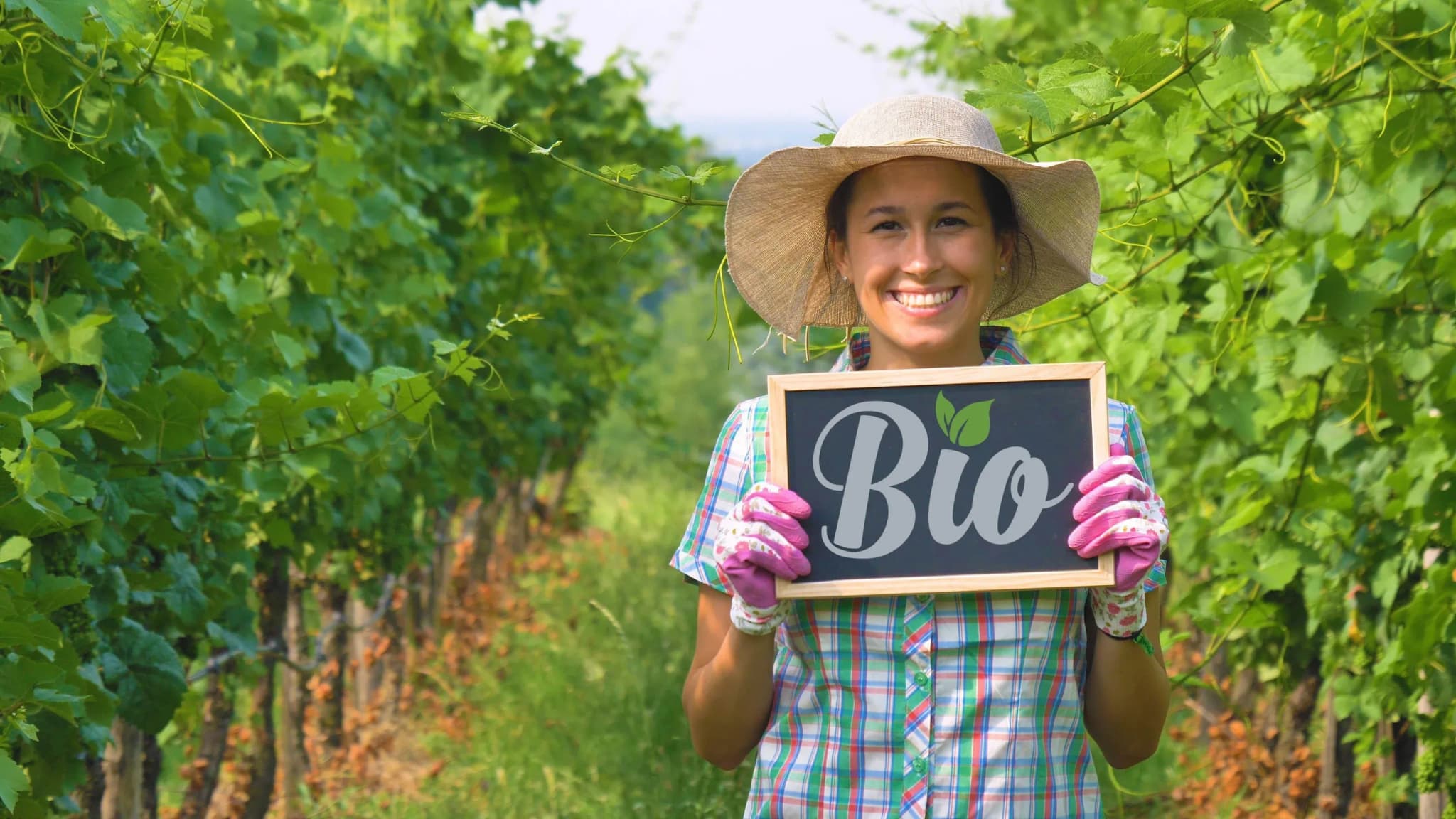
Terms like organic, vegan, and biodynamic appear more often on wine labels today, reflecting a growing global interest in sustainability and mindful consumption. Each term refers to a different approach in the vineyard or the cellar, and understanding these distinctions helps you make more informed choices when selecting a bottle.

Organic wine begins with grapes grown without synthetic pesticides, herbicides, or chemical fertilizers. The focus is on soil health, natural biodiversity, and farming practices that avoid synthetic intervention. This approach mirrors the principles used in organic fruit and vegetable farming.
During fermentation, all wines naturally produce sulfites. Organic wines may contain these naturally occurring sulfites, but the use of added sulfites is strictly regulated and may be limited or prohibited depending on local certification rules. The goal is to reduce chemical inputs while preserving the wine’s stability.
Organic wines do not follow a specific flavour profile. A Chardonnay or Pinot Noir made from organic grapes will taste similar to one made conventionally, since winemaking choices play a significant role in style. However, many organic growers believe healthier soils lead to cleaner fruit expression and greater purity in the final wine.
Organic farming often extends beyond avoiding chemicals. Vineyards typically adopt a wider set of environmentally conscious practices, such as:
Many regions have official certification bodies. If a wine meets the required organic standards, you will usually find a certification logo on the label.

Although wine is made from grapes, not all wines are automatically vegan. The key factor is the fining process, which clarifies wine before bottling. Young wines contain natural particles such as proteins, tannins, and tartrates. They are harmless but can make the wine appear cloudy.
To remove these particles, producers traditionally used fining agents derived from animal products, such as egg whites, milk protein, or fish-based products. These substances bind to the particles and help remove them. Even if only tiny traces remain, the wine is no longer considered vegan.
Producers who want to avoid animal-derived fining agents use alternatives such as:
Some wines skip fining altogether and clarify naturally over time, making them vegan. As vegan diets grow worldwide, these wines are becoming increasingly common and clearly labelled.

Biodynamic wine is rooted in the agricultural philosophy developed by Rudolf Steiner in the early twentieth century. It considers the vineyard a living, self-sustaining ecosystem influenced by soil life, plant health, lunar cycles, and seasonal rhythms.
This approach builds on organic farming and adds a holistic dimension. Biodynamic growers prepare specific herbal and mineral composts and apply them following natural cosmic calendars. While the practices may seem unconventional, many growers believe they produce grapes with strong vitality and character.
Biodynamic viticulture typically includes:
Biodynamic wines can appear slightly cloudy or more natural-looking due to minimal processing.
Certification is regulated internationally, most notably by organisations dedicated to biodynamic standards, which verify both vineyard and cellar practices.
Organic, vegan, and biodynamic wines reflect different philosophies, but all aim to respect nature and promote healthier, more transparent production. Whether you prefer the clarity of vegan practices, the purity of organic farming, or the holistic approach of biodynamics, each style offers a unique way to explore wine with greater awareness.
Explore the art of wine tasting and learn how to observe, smell, and taste like a professional. Understand how each sense reveals the balance, structure, and quality of a wine.

New Latitude Wines are crafted outside the 30-50° wine belt. Discover how winemakers adapt to tropical heat and northern cold to create distinctive wines in emerging regions.

Master the essentials of wine cellaring: temperature, humidity, inventory, and selection to protect your wines and enjoy them at their perfect peak.