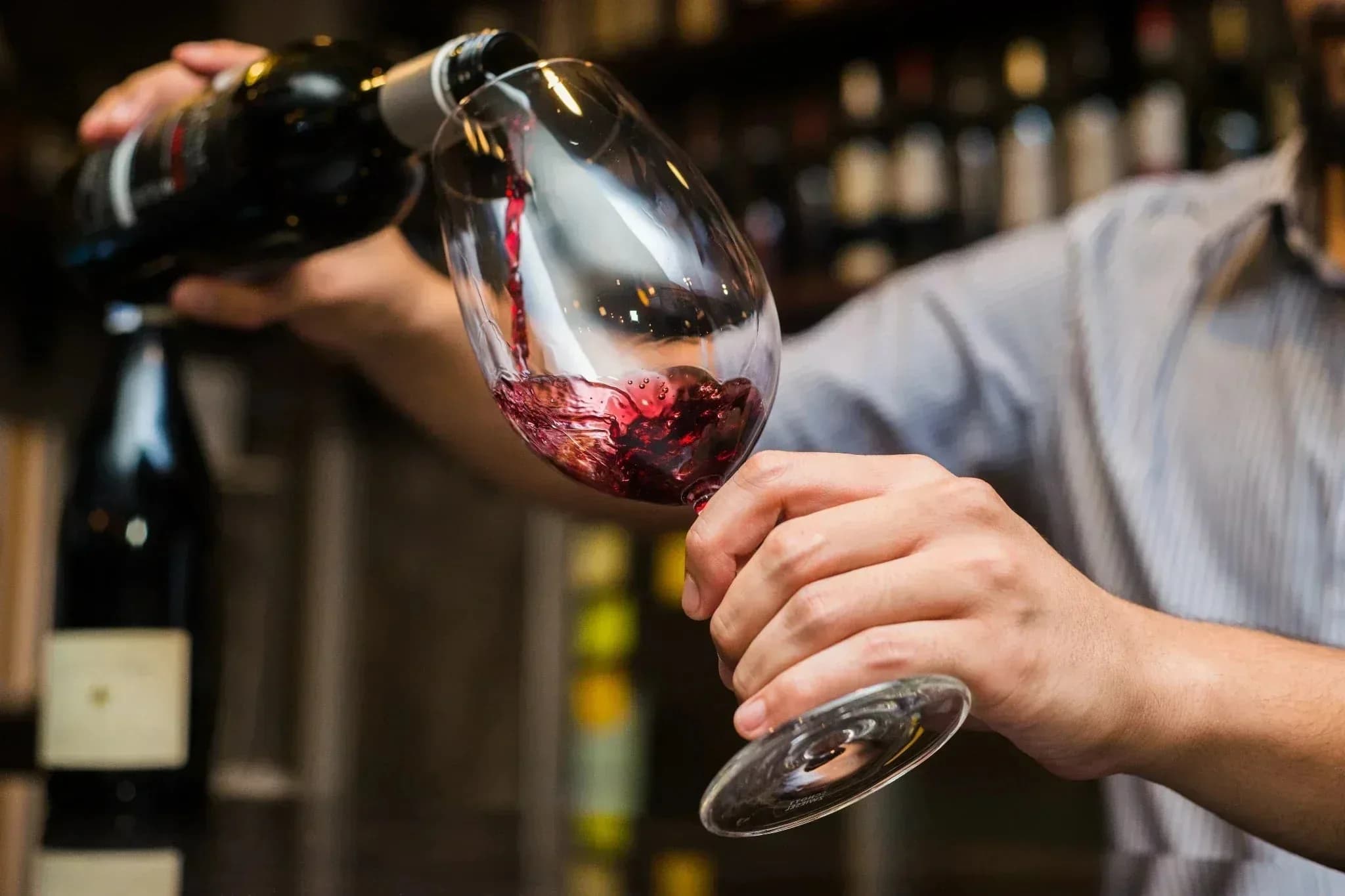
Close up of a man pouring red wine into a wine glass
Learn About Wine

Understanding Wine Body: Light, Medium and Full-Bodied Wines

Understanding the body of a wine is one of the most useful ways to develop your tasting skills. The body describes the weight, texture, and overall presence of a wine in your mouth. Unlike sweetness or acidity, it is not immediately obvious. It takes a bit of practice and a variety of wines to start noticing how light, medium, or full a wine can feel.

An easy way to visualize the concept is with a simple milk analogy:

  • Light-bodied: like skim milk
  • Medium-bodied: like whole milk
  • Full-bodied: like cream

This comparison helps you understand how wines can feel airy and delicate or rich and powerful.

Light-Bodied Wines

Light-bodied wines feel crisp, refreshing, and easy to drink. They move across the palate with agility and are especially appreciated during warmer months or with lighter meals.

Typical examples include Sauvignon Blanc, Pinot Grigio, Albariño, Vinho Verde, and delicate reds such as Pinot Noir or Gamay.

Common traits include:

  • Lower alcohol
  • Higher acidity
  • Subtle tannins for reds
  • A clean, gentle mouthfeel
Fresh, crisp, and easy to drink, light-bodied wines offer lower alcohol, higher acidity, and a clean, gentle mouthfeel. Typical examples include Sauvignon Blanc, Pinot Grigio, Albariño, Vinho Verde, Pinot Noir, and Gamay.

Medium-Bodied Wines

Medium-bodied wines fall between delicate and powerful. This group is broad and includes wines that lean slightly light or slightly full. This versatility makes them ideal for food pairing, as they offer enough texture to match many dishes while remaining balanced and approachable.

Examples include Chardonnay, Chenin Blanc, Vermentino, Merlot, Grenache, and Sangiovese.

Typical characteristics include:

  • Moderate alcohol
  • Balanced acidity
  • Smooth, approachable tannins
  • A rounded, satisfying texture
Versatile and balanced, medium-bodied wines offer moderate alcohol, smooth tannins, and a rounded texture that suits a wide range of dishes. Classic examples include Chardonnay, Chenin Blanc, Vermentino, Merlot, Grenache, and Sangiovese.

Full-Bodied Wines

Full-bodied wines are rich, dense, and powerful. They leave a lingering impression and coat the palate with depth and concentration. These wines often result from riper grapes, higher alcohol, firm tannins, or extended oak maturation.

Think Cabernet Sauvignon, Syrah, Malbec, Zinfandel, or fortified wines such as Port.

Defining elements include:

  • Higher alcohol
  • Firm to robust tannins
  • Low to moderate acidity
  • A full, enveloping texture

After a sip, your mouth feels coated and pleasantly warm.

Rich, dense, and powerful, full-bodied wines deliver higher alcohol, firm tannins, and a deep, enveloping texture. Typical examples include Cabernet Sauvignon, Syrah, Malbec, Zinfandel, and fortified wines such as Port.

What Shapes the Body of a Wine?

Several natural and technical factors influence how heavy or light a wine feels on your palate.

Alcohol Content

Alcohol is one of the most significant contributors to the body. The higher the alcohol, the richer and thicker the mouthfeel tends to be.

As a simple guideline:

  • Under 12.5 percent: usually light-bodied
  • 12.5 to 13.5 percent: often medium-bodied
  • Above 13.5 percent: often full-bodied, depending on structure and extraction

Climate

Climate shapes ripeness and therefore the body.

  • Cool climates create lighter wines with lower alcohol and higher acidity.
  • Warm climates produce riper grapes with higher sugar levels, resulting in fuller wines with higher alcohol.

Compare a vibrant New Zealand Sauvignon Blanc with a rich Californian Chardonnay, and the difference becomes immediately clear.

Grape Variety

Some grape varieties are naturally light; others are inherently powerful.

  • Thin-skinned varieties such as Pinot Noir tend to produce delicate wines.
  • Thick-skinned grapes such as Cabernet Sauvignon deliver more tannin, color, and extract, resulting in more body.

Extract

Extract refers to the solid components in a wine, such as tannins, minerals, acids, and glycerol. More extract creates a denser, fuller sensation on the palate.

Winemaking Techniques

Oak aging, skin contact, lees stirring, and extended maceration all enhance structure and weight. For this reason, red wines are usually fuller than white wines because they are fermented with their skins, which provide tannins and texture.

A Simple At-Home Test to Understand Body

You can observe clues about the body even before tasting the wine.

  1. Gently swirl the wine in the glass.
  2. Watch the legs or tears running down the inside of the glass.
  3. Slow, thick legs often indicate higher alcohol and more body.
  4. Fast, light legs often indicate a lighter style.

Legs are influenced mainly by alcohol and glycerol. They indicate body-related components, but they are not a measure of quality.

This is not a perfect science, but it gives helpful early hints.

How to Judge Body Like a Professional

Here is a simple method to train your palate and recognize the body more clearly:

  1. Take a small sip and hold it in your mouth for a second.
  2. Focus on the weight. Compare it mentally to skim milk, whole milk, or cream.
  3. Notice how long the texture stays in your mouth after you swallow.
  4. Pay attention to any coating or gripping sensations on your tongue and cheeks.

With time, this exercise makes it much easier to identify the body.

Train your palate by focusing on weight, texture, and persistence. Compare the wine to skim milk, whole milk, or cream, and pay attention to how it coats your mouth. With practice, identifying body becomes intuitive.

How Body Affects Food Pairing

Matching the body to the food intensity is one of the easiest ways to get pairings right.

  • Light-bodied wines pair with salads, sushi, steamed fish, and fresh dishes.
  • Medium-bodied wines work with roasted poultry, pasta, grilled vegetables, and mixed platters.
  • Full-bodied wines pair well with steaks, braised meats, lamb, barbecue, and aged hard cheeses.

The general rule is simple. Lighter dishes need lighter wines, while richer dishes need wines with more body so that neither the food nor the wine overwhelms the other.

Body and Aging Potential

Full-bodied wines with firm tannins and good acidity often age well because their structure helps them withstand aging. Light-bodied wines are usually meant to be enjoyed young, although there are exceptions. High acid whites such as Riesling or Chenin Blanc can develop beautifully for many years.

Body in Sparkling Wines

Even sparkling wines with higher alcohol often feel lighter because bubbles increase the perception of acidity, creating a lifted sensation. This is why Champagne usually feels fresher and more delicate than a still wine of similar alcohol level.

Current Trends in Wine Body

There is a growing trend toward fresher, more moderate alcohol wines, even in warm wine regions. Producers are harvesting earlier, using gentler extraction, and reducing new oak to create wines that are balanced rather than heavy. The goal is to offer depth and complexity without tiring the palate.

Understanding Body in Every Sip

As you explore different wines, pay attention to how each one sits on your palate. Notice the texture, the weight, and how the wine lingers. A world of difference lies between light, medium, and full, and learning to recognize these styles will deepen your appreciation for every bottle.

Stay curious and open to tasting the full spectrum of wine. You might discover a passion for something completely new.

Previous
Mastering Wine Aging: When to Cellar a Bottle and When to Drink It
Next
The World’s Most Popular Wine Grapes & Their Characteristics

Leave a Comment

Your email address will not be published.

From Theory to Taste: Explore These Wines

La Linda Cabernet Sauvignon

La Linda Cabernet Sauvignon

Alcohol
75 cL
|
14.0%
Deep ruby Cabernet with vibrant fruit, soft tannins, and true Mendoza character.
Luigi Bosca Extra Brut

Luigi Bosca Extra Brut

Alcohol
75 cL
|
12.2%
A golden sparkle of freshness and elegance, Luigi Bosca Extra Brut shines on every occasion.
Luigi Bosca Brut Nature

Luigi Bosca Brut Nature

Alcohol
75 cL
|
12.0%
Pure elegance in every bubble, Luigi Bosca Brut Nature, vibrant and refined for every celebration.
Luigi Bosca Bohème Brut Nature

Luigi Bosca Bohème Brut Nature

Alcohol
75 cL
|
13.2%
Elegant sparkling from high-altitude Chardonnay & Pinot Noir, with fine bubbles and a crisp finish.
97
Descorchados
96
DWWA
96
Vinous
97
Jeb Dunnuck
95
Tim Atkin
Outstanding
Cellar Worthy
Luigi Bosca PARAÍSO

Luigi Bosca PARAÍSO

Alcohol
75 cL
|
14.6%
The flagship of Luigi Bosca, crafted from Mendoza’s finest terroirs and 120 years of legacy.

Learn About Wine

Become a Wine Expert

Wine education class in China with professionals tasting and discussing wines

Wine Education in China: Certifications, Regional Programs, and Professional Pathways

Wine education in China has expanded beyond global certifications into a diverse ecosystem of regional programs, private academies, and specialized learning pathways for professionals and enthusiasts.
Two Asian women enjoying wine together while grilling fresh prawns on an outdoor table, sharing food and conversation in a relaxed and warm atmosphere.

How to Pair Wine with Asian Seafood, Sushi and Raw Dishes

Asian seafood dishes such as sushi, sashimi, tempura, and grilled fish offer refined textures and subtle flavors. This guide provides simple principles and practical wine pairing ideas that bring balance, clarity, and freshness to every...
Winemaker standing in a vineyard, smelling a glass of wine to evaluate its aromas and connection to the terroir.

How to Identify Wine Flavors and Describe your Palate Like a Pro

Discover how to identify wine aromas, understand where flavors come from, and use the Wine Flavor Wheel to describe your palate with confidence and precision.